

Plumbing Hacks: 7 Unexpected Ways to Enhance Your Home’s Water Efficiency and Save Money
In today’s world, where conserving resources and reducing expenses is more crucial than ever, enhancing your home’s water efficiency stands out as both an economical decision and a favorable environmental choice. Below, we explore seven unexpected plumbing hacks that can help you achieve just that. From small adjustments to larger upgrades, these strategies will aid you not only in boosting water efficiency but also in significantly saving on your water bill.
1. Detect and Fix Leaks Promptly
The Cost of Leak Damage
Even the tiniest leaks can waste a surprising amount of water and result in higher utility bills. A single drip per second can amount to over 3,000 gallons of water wasted in a year! This not only puts a strain on your wallet but can also lead to severe property damage over time.
Simple Leak Detection Techniques
To detect leaks, regularly check your plumbing fixtures, such as faucets, toilets, and pipes. Here are some quick tips:
- Toilet Test: Add a few drops of food coloring to the tank. If it seeps into the bowl within 30 minutes without flushing, you have a leak.
- Meter Check: Take a reading of your water meter, then avoid using water for a couple of hours. Check the meter again—if the numbers have changed, you likely have a leak.
Once you identify a leak, vary from simple DIY fixes with tape or sealant to calling a professional plumber for more significant repairs. Prompt repairs can save you more than just water; they can avert costly damage to your home.
2. Upgrade to Low-Flow Fixtures
Understanding Low-Flow Technology
Low-flow fixtures, including faucets, showerheads, and toilets, are designed to use significantly less water without sacrificing performance. In fact, they can cut water usage by up to 50%!
The Benefits of Low-Flow Fixtures
Consider these upgrades:
- Low-Flow Showerheads: A good quality low-flow showerhead uses only 1.5 to 2.5 gallons per minute instead of the traditional 2.5 to 5 gallons, translating to substantial savings.
- Water-Efficient Faucets: With aerators, these faucets mix air with water to maintain water pressure while using less water.
- Dual-Flush Toilets: These toilets offer two flush options: one for liquid waste and one for solid waste, significantly reducing water consumption.
By investing in low-flow fixtures, you can enjoy the same level of comfort while significantly decreasing your household water usage.
3. Install a Rainwater Harvesting System
What is Rainwater Harvesting?
Rainwater harvesting involves collecting and storing rainwater for reuse. This eco-friendly method not only conserves water but also reduces your dependence on municipal supplies.
Getting Started with Rainwater Collection
Here’s how you can integrate this system into your home:
- Choose a Collection System: Install rain barrels under downspouts to collect rainwater from your roof. Ensure they have a proper filtering and overflow system.
- Use for Non-Potable Needs: While you shouldn’t drink harvested rainwater without proper treatment, it can be used for watering plants, gardens, or washing outdoor items.
Utilizing a rainwater harvesting system can diminish your reliance on tap water and alleviate pressure on local water supplies.
4. Insulate Your Pipes
Why Pipe Insulation Matters
Pipes, especially those carrying hot water, can lose heat before the water reaches your fixtures. Insulating them can significantly reduce the wait time for hot water and conserve energy.
How to Insulate Your Pipes
Follow these simple steps:
- Identify Exposed Pipes: Check areas such as basements, attics, and crawl spaces.
- Choose the Right Material: Use foam pipe insulation sleeves or heat tape, which can be easily applied with a few basic tools.
By insulating your pipes, you can elevate your home’s energy efficiency and save on energy costs associated with heating water.
5. Optimize Your Water Heater Settings
The Importance of Water Heater Efficiency
Your water heater is one of the largest consumers of energy in your home. Adjusting its settings can lead to significant savings.
Simple Adjustments to Make
- Set Temperature Appropriately: Lower the temperature setting from 140°F to 120°F. This reduces energy usage and minimizes scalding risks.
- Consider a Timer: Use a timer to turn off your water heater during hours when hot water is not needed.
- Flush Your Heater: Build up mineral deposits can affect efficiency. Regularly flushing your water heater can improve performance and lifespan.
These small adjustments can drastically lower your energy bill while ensuring you have hot water on demand.
6. Use Smart Irrigation Systems
Watering Wisely
Inefficient outdoor watering practices contribute greatly to higher water bills and increased waste. Smart irrigation systems can revolutionize how plants receive water.
Integrating Smart Irrigation
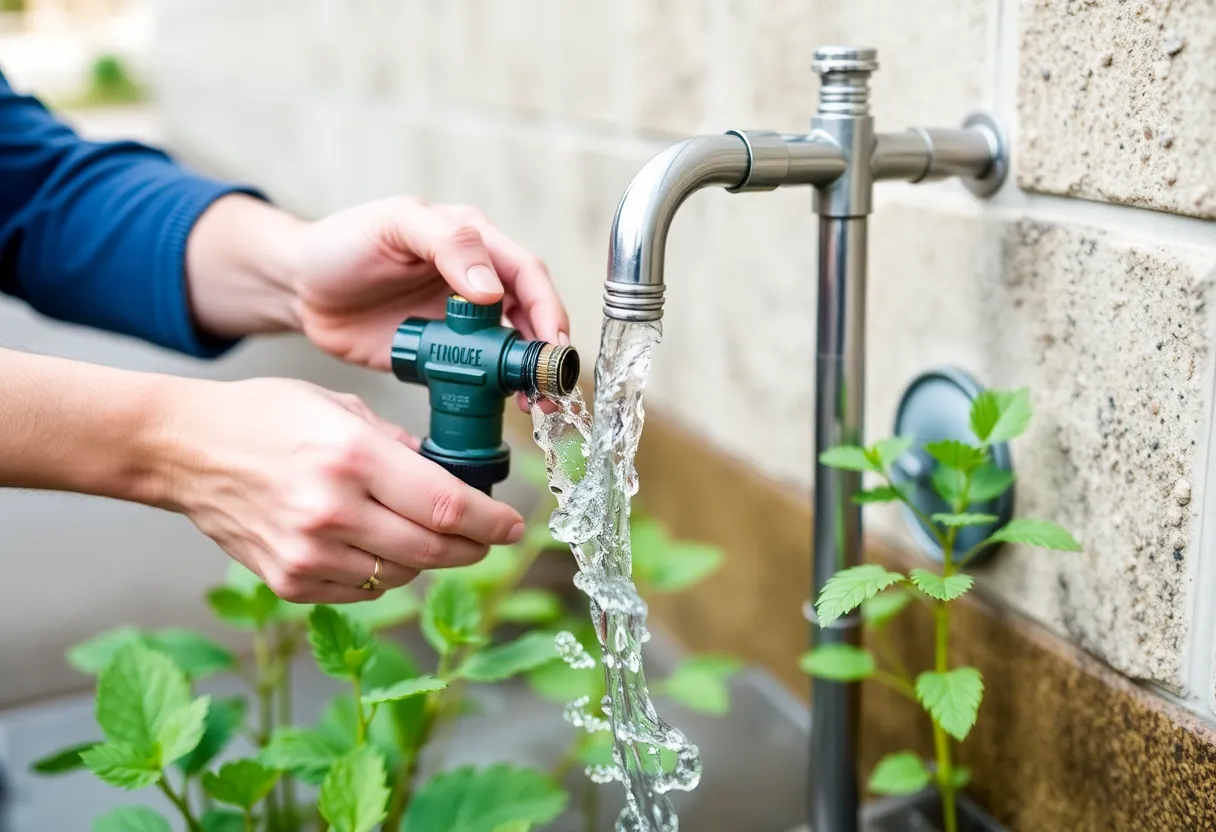
- Smart Hoses and Timers: Install hose timers that can regulate watering schedules based on rainfall and soil moisture levels.
- Drip Irrigation: Instead of traditional sprinklers, opt for drip irrigation that delivers water directly to plant roots, reducing evaporation and runoff.
An investment in smart irrigation not only conserves water but also promotes greener, healthier landscaping.
7. Educate and Involve Your Family
The Importance of Awareness
Finally, cultivating awareness about water conservation practices can ensure that every member of your household contributes to water efficiency efforts.
How to Involve Your Family
- Water Conservation Challenges: Host friendly competitions that motivate family members to reduce water usage, such as timed showers.
- Teach Small Daily Habits: Simple habits like turning off the tap while brushing teeth or fixing leaks instead of ignoring them contribute enormously to overall savings.
- Discuss Our Water Supply: Open conversations about your local water supply and its limitations can inspire everyone to make smarter decisions.
By fostering a family culture focused on water-saving practices, you will maximize your efficiency efforts and educate the next generation about responsible water usage.
Conclusion
Enhancing your home’s water efficiency is not just a trend; it’s becoming an integral part of responsible living. By implementing these seven unexpected plumbing hacks, you can effectively reduce your monthly bills while preserving our precious water resources. Every drop counts, and when combined, these small changes can lead to substantial savings for both your wallet and the environment. So take action today—your home and planet will thank you!