


Plumbing Insights: 10 Must-Know Tips for Sustainable Water Usage in Your Home
Water is one of our most precious resources, yet it is often taken for granted in our daily lives. In light of growing environmental concerns, there is an urgent need to adopt sustainable practices in our households. By implementing simple plumbing tweaks, you can contribute to the conservation of water, lower your utility bills, and lead a more eco-friendly lifestyle. Below are _ten essential tips for sustainable water usage_ in your home.
1. Regularly Check for Leaks
Leaks are a common cause of excessive water loss in homes. A dripping faucet may seem trivial, but it can waste gallons of water each month. Regularly inspect:
- Faucets
- Toilets
- Showerheads
- Pipes under sinks and in basements
_Detecting and repairing leaks promptly_ can save you both water and money. Use food coloring to check for toilet leaks: simply add a few drops to the tank and wait for 15 minutes. If the water in the bowl changes color, there’s a leak that needs fixing.
2. Install Low-Flow Fixtures
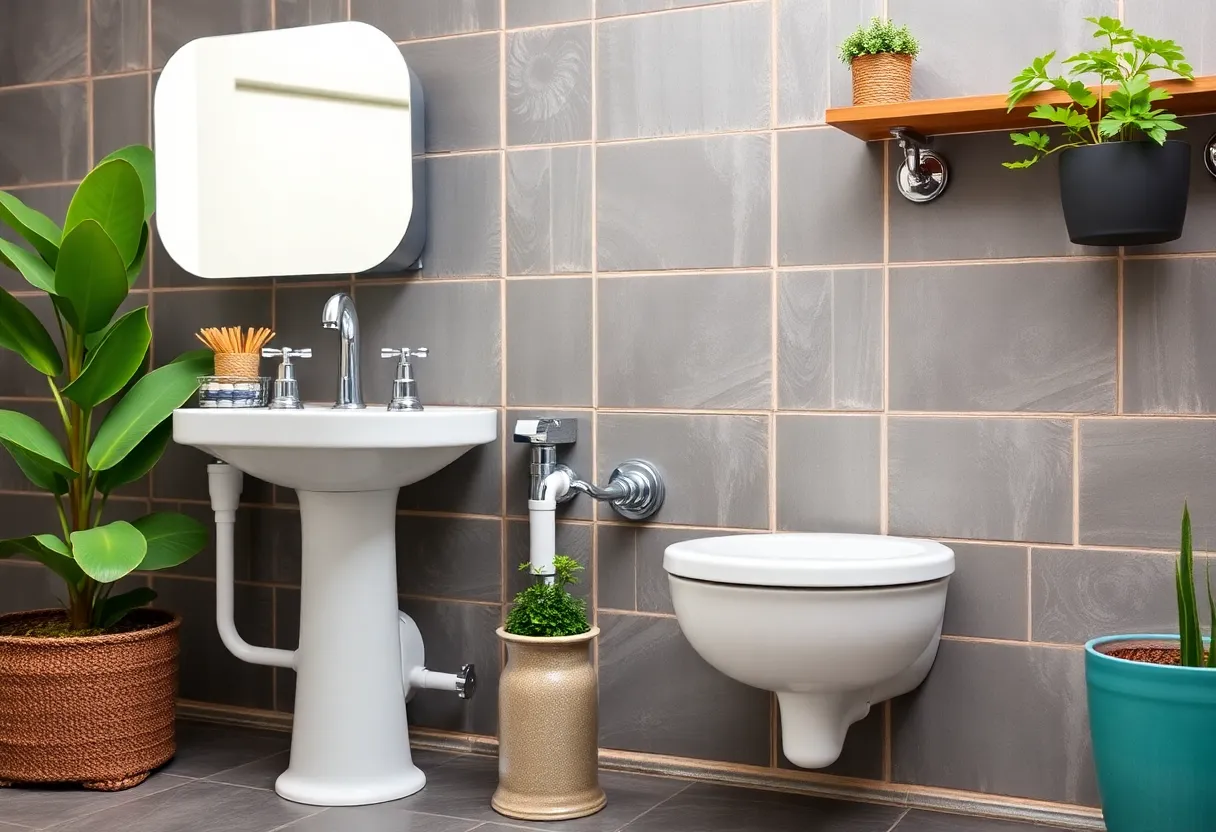
Switching to _low-flow fixtures_ is one of the easiest ways to save water. These fixtures can significantly reduce water usage without sacrificing performance. Consider installing:
- Low-flow showerheads
- Low-flow faucets
- High-efficiency toilets (HET)
Many of these fixtures deliver water at a rate of 1.5 gallons per minute or less. By making this simple investment, you can cut your water consumption in half!
3. Optimize Your Irrigation System
If you have a garden or lawn, optimizing your irrigation system is crucial for sustainable water usage. Make sure you:
- Utilize a drip irrigation system for plants
- Water your garden early in the morning or late in the evening to minimize evaporation
- Adjust sprinkler heads to avoid watering sidewalks or driveways
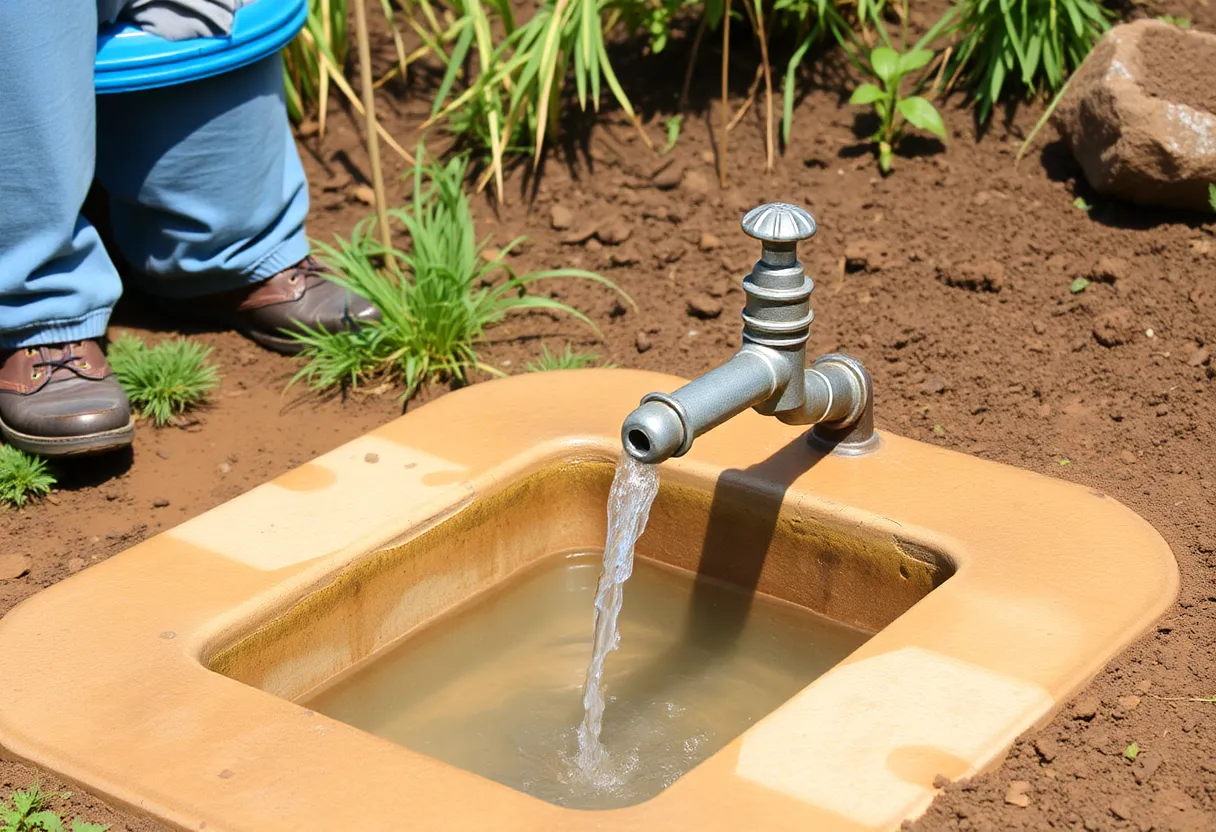
_Additionally_, consider installing a rain barrel to capture rainwater for watering plants and gardens. This is a sustainable way to use natural resources while conserving your water supply.
4. Use Water-Efficient Appliances
Your dishwasher and washing machine can consume a considerable amount of water. By upgrading to _water-efficient appliances_, you can significantly reduce water usage. Look for models with a good Energy Star rating.
Run your appliances only when full and utilize their _eco modes_ if available. These practices maximize efficiency while still keeping your dishes and clothes clean.
5. Capture Cold Water in Transition
When you turn on the tap, it often takes time for the water to reach the desired temperature, resulting in wasted water. Make this transition more sustainable by:
- Placing a container in your sink to capture cold water as it heats up
- Using that water for watering plants or flushing toilets
By incorporating this simple practice, you can _reduce wastage significantly_.
6. Mind Your Water Usage Habits
Be conscious of your daily water usage habits. Simple actions like:
- Turning off the tap while brushing your teeth
- Shortening your showers
- Avoiding running water while washing dishes or prepping food
_By cultivating mindful water usage practices_, you can contribute to a more sustainable household effortlessly.
7. Invest in a Water Softener
Hard water can lead to calcium buildup in pipes, which wastes water as the plumbing system becomes less efficient over time. Investing in a _water softener_ helps prevent this buildup, ensuring that water flows freely throughout your home. This can improve the efficiency of your appliances and plumbing, as well as extend their lifespan.
8. Insulate Your Pipes
Proper insulation of your hot water pipes can reduce the energy needed to heat water. When pipes are insulated, you can achieve hot water quicker, which means you’ll save water while waiting. It’s an easy DIY project:
- Wrap foam insulation around your hot water pipes
- Seal gaps where cold air may enter
This will not only save water but also lower your energy bills.
9. Educate Household Members
Encouraging everyone in your household to practice sustainable water usage is key to long-term change. Share tips and practices among family members, and establish household rules like:
- Only running the dishwasher or washing machine with full loads
- Taking shorter showers
- Checking regularly for leaks
Make it a fun activity by tracking water savings and setting challenges!
10. Schedule Regular Plumbing Maintenance
Lastly, ensure that you schedule _regular plumbing maintenance_ with a professional. A plumber can help:
- Inspect your plumbing system for efficiency
- Identify potential problems before they become major repairs
This proactive approach can help you avoid costly water bills due to leaks or inefficient systems and keep everything running smoothly.
Conclusion
By following these _ten sustainable water usage tips_, you can play an integral role in conserving one of the planet’s most precious resources. Not only will your efforts contribute positively to the environment, but they will also result in reduced utility bills and a healthier home. Remember that small changes can lead to significant impacts, and doing your part in promoting sustainable practices is a step in the right direction. So start implementing these tips today for a more eco-friendly lifestyle!