

The Plumbing Wellness Guide: 10 Vital Checks to Ensure Your Home’s Water System Stays Healthy
Keeping your home’s plumbing system in optimal condition is vital for ensuring healthy living and enhancing comfort. Often overlooked until a problem arises, regular checks can prevent costly repairs and potential water damage. This guide outlines _10 vital checks_ you should perform to maintain your home’s water system. Consider these suggestions as part of your plumbing wellness routine.
1. Regularly Inspect For Leaks
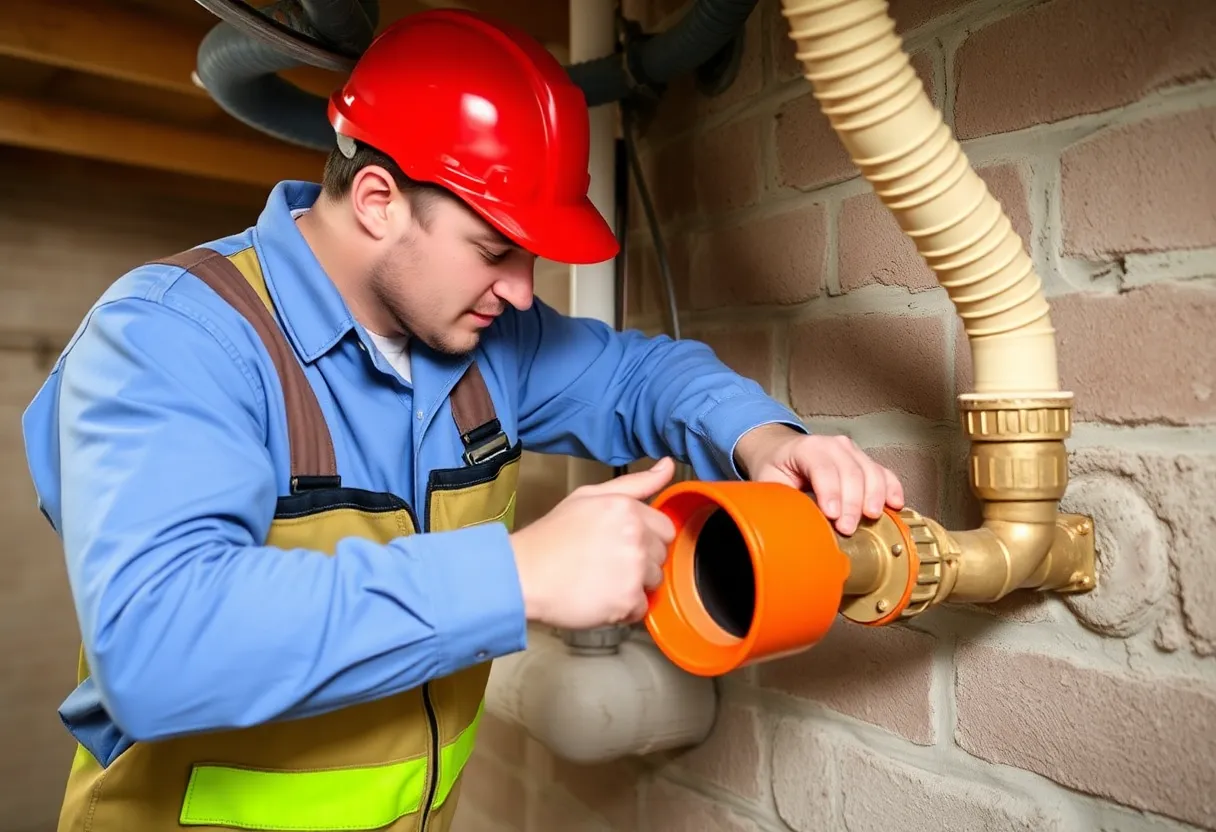
Leaks can waste a significant amount of water and lead to costly damage over time. Begin your plumbing wellness checks by routinely inspecting all visible pipes connected to appliances, sinks, and fixtures throughout your home. Pay close attention to:
- The area under sinks
- Around the base of toilets
- All visible piping in basements and crawlspaces
Check for any signs of moisture, discoloration, or water pooling. If you notice anything unusual, take action promptly to repair the leaks. Failure to do so may result in bigger plumbing issues and expensive repairs down the line.
2. Monitor Water Pressure
Normal water pressure should range between _40-60 psi_ (pounds per square inch). Low pressure might indicate leaks or blockages, while high pressure can damage appliances and pipes. If you notice fluctuations in water pressure, invest in a pressure gauge to monitor your home’s water system.
Adjustments can be made through pressure-reducing valves, or you might need professional assistance to identify and repair underlying issues. Maintaining appropriate water pressure is crucial for the longevity of your plumbing system.
3. Check for Clogs in Drains
Regularly ensuring that your drains are clear is essential for maintaining plumbing wellness. Clogs can cause water to back up, leading to unpleasant odors and potential overflow situations. You can take the following steps to prevent clogs:
- Use strainers in sinks and bathtubs to catch hair and food particles.
- Flush drains with boiling water to dissolve soap scum and grease.
- Periodically use a mixture of baking soda and vinegar to help dislodge buildup.
If you experience persistent slow drainage, it may be necessary to consult a professional plumber to help clear deeper blockages.
4. Inspect Water Heaters
Your water heater is a critical component of your home’s water system. It’s essential to perform annual inspections to ensure it operates efficiently. When checking your water heater:
- Examine for any rust, corrosion, or moisture around the base of the tank.
- Test the temperature and pressure relief valve to ensure it’s functioning properly.
- Flush the tank to remove sediment buildup, which can affect heating efficiency.
These preventive measures can prolong the life of your water heater and enhance its performance.
5. Examine Water Quality
Water quality directly impacts your health and the effectiveness of your plumbing system. Regularly assess the quality of your water by checking for:
- Unusual tastes or odors
- Cloudiness or discoloration
- Presence of sediment or particles in water
If you find any of these issues, you may need to consider installing a water filtration system or consulting with water quality professionals to assess the problem further.
6. Test Sump Pumps
If your home has a sump pump system, regular testing is essential to prevent flooding in basements or crawlspaces. To test your sump pump:
- Pour a bucket of water into the sump pit to see if the pump activates.
- Inspect the discharge pipe for blockages and ensure that water flows freely.
- Check the power source and ensure it is functioning correctly.
Schedule maintenance or replacement if the pump does not operate properly. Timely action can save you from significant water damage during heavy rains or storms.
7. Check Appliance Hoses
Appliances such as washing machines, dishwashers, and refrigerators rely on hoses for water supply. Inspect these hoses periodically for any signs of wear or damage. Specifically, look for:
- Cracks or splits in the hose material
- Bulging areas indicating wear
- Loosely attached connections
Replace any damaged hoses immediately, as they can lead to leaks and costly repairs. Investing in high-quality hoses can significantly reduce the risk of problems in the future.
8. Inspect Toilets and Overflow Accumulation
Toilets are one of the most commonly used fixtures in your home, and they require regular maintenance to ensure they function correctly. Check for:
- Phantom flushes, which occur when the toilet silently runs water
- Leaky seals at the base of the toilet or around the tank
- Any unusual sounds or smells
Fix any issues promptly, as they can lead to water waste and damage. Regular maintenance helps ensure that your toilets work efficiently over time.
9. Insulate Pipes
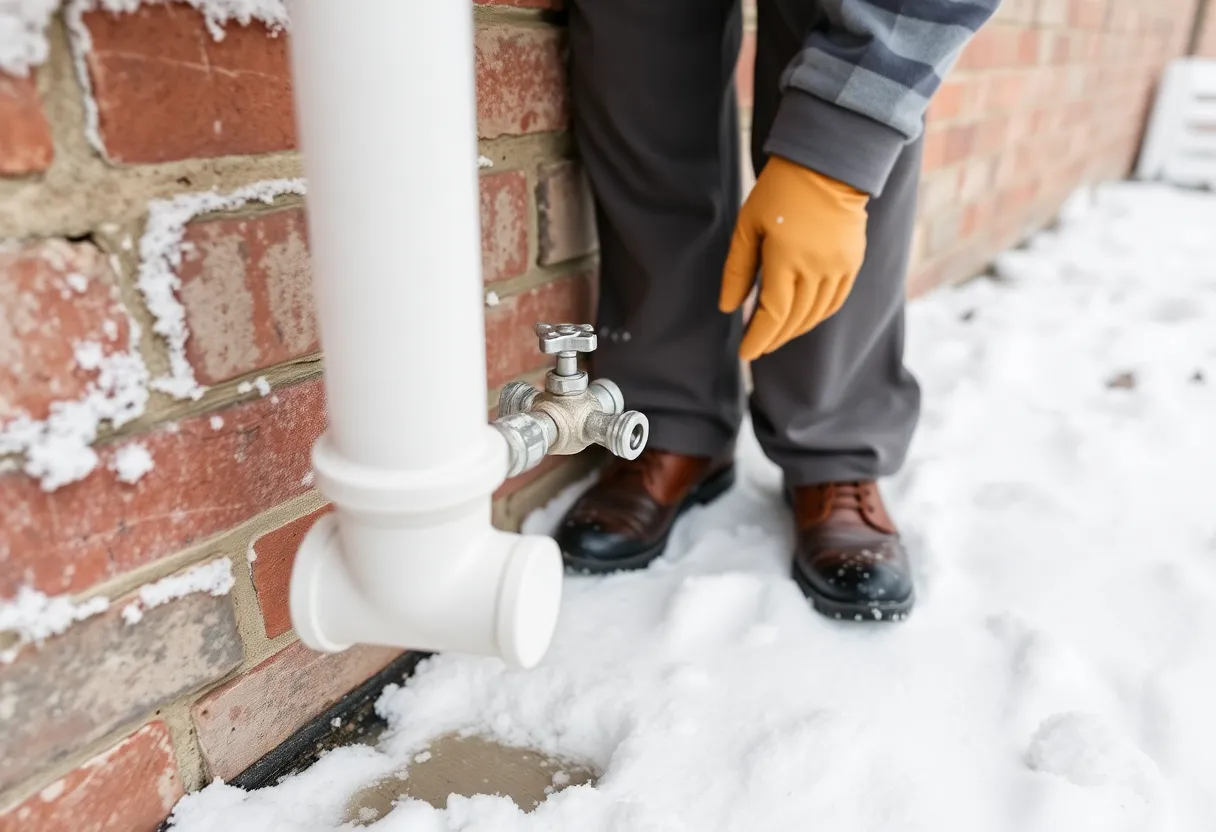
During winter, uninsulated pipes can freeze and burst, leading to significant water damage and costly repairs. To prevent this, _insulate all exposed pipes_ with foam pipe insulation, especially in unheated spaces like attics, basements, or crawlspaces. Regularly check your insulation throughout the cold months and make necessary adjustments to maintain plumbing wellness.
10. Schedule Professional Inspections
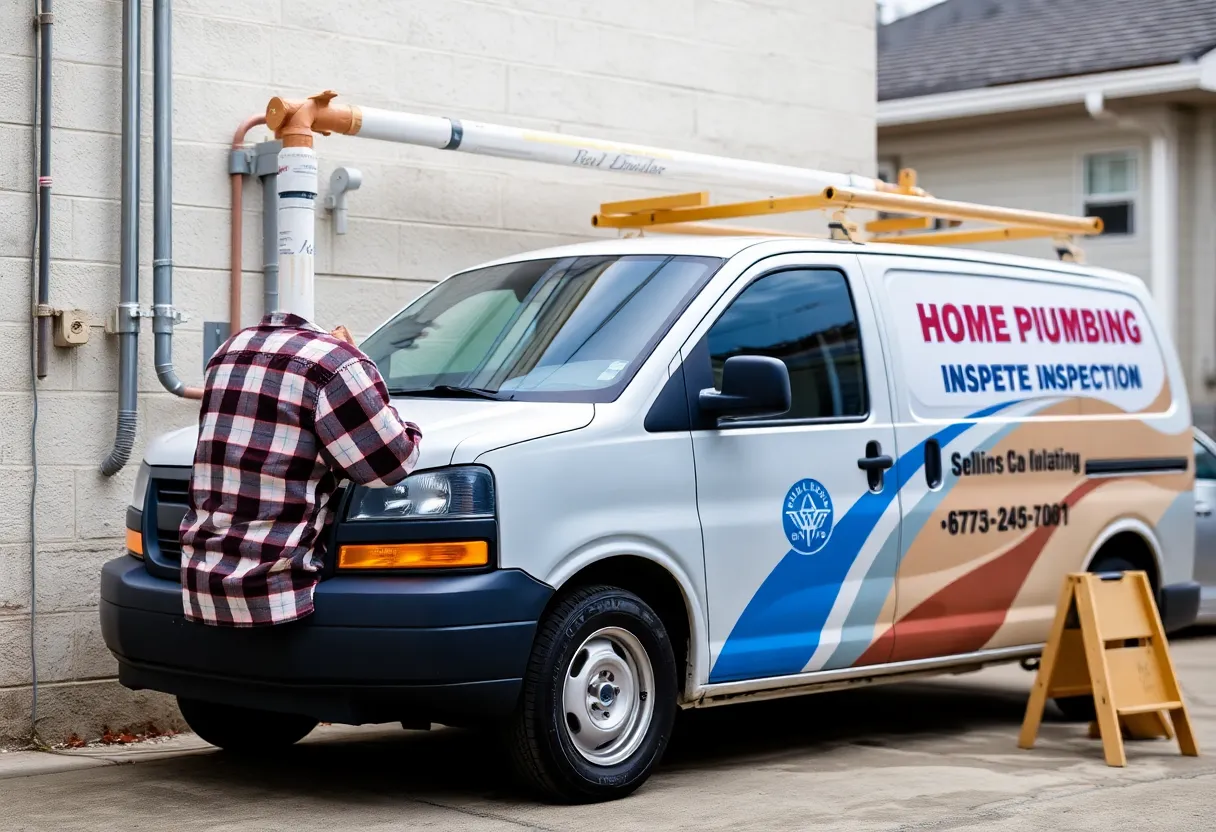
While these checks can aid in maintaining your water system, it’s beneficial to schedule professional plumbing inspections periodically. Trained plumbers can identify hidden problems that may go unnoticed and provide crucial maintenance services. Establishing a relationship with a local plumber allows you to have a reliable partner for ongoing care of your home’s plumbing system.
Conclusion
By performing these _10 vital checks_, you will help ensure that your home’s water system remains healthy and efficient. Maintaining a regular schedule of inspections and maintenance can prevent unexpected issues and help you enjoy a safe and comfortable home environment.
Frequently Asked Questions
How often should I check my plumbing system?
It is recommended to perform these checks at least once every six months to ensure everything is functioning properly.
What are the signs that indicate I have a plumbing leak?
Signs of a leak include water stains, dampness on walls or ceilings, unusually high water bills, and the sound of dripping or running water when fixtures are turned off.
Why should I monitor my water pressure?
Proper water pressure is essential for the correct functioning of household appliances. Too low or too high pressure can lead to inefficiencies or damage.
How can I tell if my water quality is poor?
Indications of poor water quality include bad taste, foul odors, cloudy water, or sediment. Regular testing can help you assess your water’s safety.
Is it necessary to hire a professional plumber for inspections?
While you can perform basic checks yourself, hiring a professional plumber for annual inspections ensures that any hidden issues are caught early and addressed appropriately.