

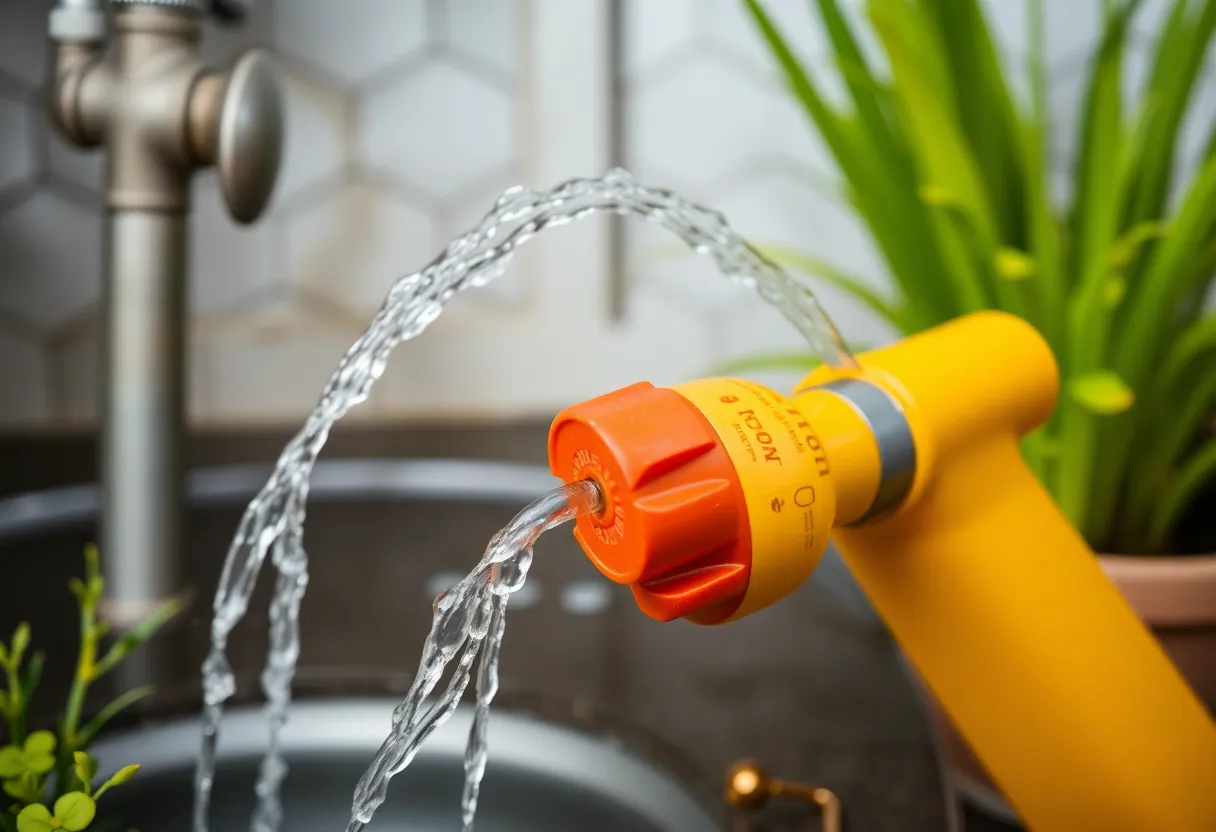
The Plumbing Efficiency Checklist: 10 Steps to Maximize Water Savings in Your Home
In a world where water scarcity is becoming an increasing concern, maximizing water savings in our homes is not just a personal choice but also a responsibility. An efficient plumbing system can significantly reduce water usage, which leads to lower utility bills and less strain on local water supplies. This article provides a comprehensive checklist that outlines 10 effective steps to maximize water savings in your home.
Step 1: Inspect for Leaks
One of the most effective ways to save water is to actively inspect for leaks. Leaky faucets, toilets, and pipes can waste a considerable amount of water. A single dripping faucet can waste more than 3,000 gallons of water per year. Therefore, start by checking:
- Faucets: Look for any dripping water and check under the sink for moisture.
- Toilets: Add a few drops of food coloring to the tank; if the color seeps into the bowl without flushing, you have a leak.
- Pipes: Examine visible pipes for moisture or markings that indicate leakage.
Step 2: Install Water-Efficient Fixtures
Replacing old fixtures with water-efficient alternatives is a cost-effective way to reduce water use. Look for fixtures labeled with the WaterSense label, which signifies that they meet specific efficiency criteria. Consider the following:
- Low-flow showerheads: These can reduce water flow by 30% or more without sacrificing water pressure.
- High-efficiency toilets: Modern toilets use as little as 1.28 gallons per flush, compared to older models that can use up to 3.5 gallons.
- Water-efficient faucets: Look for aerators that can cut down water usage while maintaining strong flow.
Step 3: Optimize Your Irrigation System
If you have an irrigation system, it’s essential to keep it optimized to reduce unnecessary water waste. Follow these tips:
- Set your system according to the seasons to prevent overwatering.
- Utilize drip irrigation instead of spray systems where applicable, as it delivers water directly to plant roots.
- Consider installing a rain sensor that automatically shuts off the system during rainfall.
Step 4: Use Your Dishwasher and Washing Machine Wisely
Did you know that using your dishwasher and washing machine efficiently can conserve large amounts of water? Here are some ways to maximize their use:
- Run full loads whenever possible instead of several smaller loads.
- Upgrade to high-efficiency models that use less water per cycle.
- Consider air-drying dishes instead of using the dishwasher’s heat drying option.
Step 5: Practice Smart Watering Techniques
When watering your garden, small changes can significantly impact water consumption. Implement the following smart watering techniques:
- Water early in the morning or late in the evening to minimize evaporation.
- Use mulch around plants to retain moisture and reduce the need for frequent watering.
- Check local guidelines for watering restrictions and adhere to them.
Step 6: Consider Installing a Rain Barrel
Capturing rainwater is an effective way to conserve water for outdoor use. Rain barrels collect runoff from roofs, which can then be used for watering plants, washing cars, or other purposes. Here are some points to consider:
- Ensure your rain barrel has a cover to prevent mosquito breeding.
- Install a screen to filter debris and leaves.
- Consider connecting multiple barrels to increase your water storage capacity.
Step 7: Use a Broom Instead of a Hose
When cleaning driveways, sidewalks, or patios, opt for a broom instead of using a hose to wash away dirt and debris. This not only saves water but also makes cleaning more efficient. A broom can effectively remove dust and leaves without wasting gallons of water.
Step 8: Educate Your Family About Water Conservation
Raising awareness about water conservation within your family can significantly enhance your water-saving efforts. Educate your family members about the importance of water conservation and how they can contribute by adopting simple changes:
- Use shorter showers.
- Turn off the tap while brushing teeth or shaving.
- Report any leaks they notice around the home.
Step 9: Install a Tankless Water Heater
Tankless water heaters are another effective way to save water and energy. These systems heat water on demand, eliminating the need to store hot water.Tankless systems can save water by allowing you to have instant access to hot water, reducing the need to run faucets while waiting for hot water to arrive.
Step 10: Conduct Regular Plumbing Audits
To maintain an efficient plumbing system long-term, conduct regular plumbing audits. This can help identify new areas where you can increase efficiency and reduce water usage. Consider assessing:
- All fixtures and pipes for leaks or inefficiencies.
- Water bills for any unexplained increases, which could indicate a leak or inefficiency.
- The overall water usage of your household to see if you are meeting your conservation goals.
Conclusion
By following this Plumbing Efficiency Checklist, you can maximize water savings in your home while contributing to a more sustainable environment. Each of these steps can have a significant impact on your water usage, and implementing them can also lead to a decrease in utility costs. Remember, every drop counts!
Frequently Asked Questions
1. How much water can a leaking faucet waste in a year?
A single dripping faucet can waste more than 3,000 gallons of water per year.
2. What types of fixtures are considered water-efficient?
Fixtures labeled with the WaterSense label, including low-flow showerheads and high-efficiency toilets, are considered water-efficient.
3. Why should I consider installing a rain barrel?
Rain barrels collect runoff from roofs, which can then be used for watering plants, washing cars, or other purposes, helping to conserve water.
4. How can I find and fix leaks in my home?
Inspect faucets and toilets for leaks and use food coloring in toilets to check for unnoticed leaks in the tank.
5. What are some smart watering techniques I can use?
Watering early in the morning or late in the evening and using mulch around plants to retain moisture are effective smart watering techniques.