

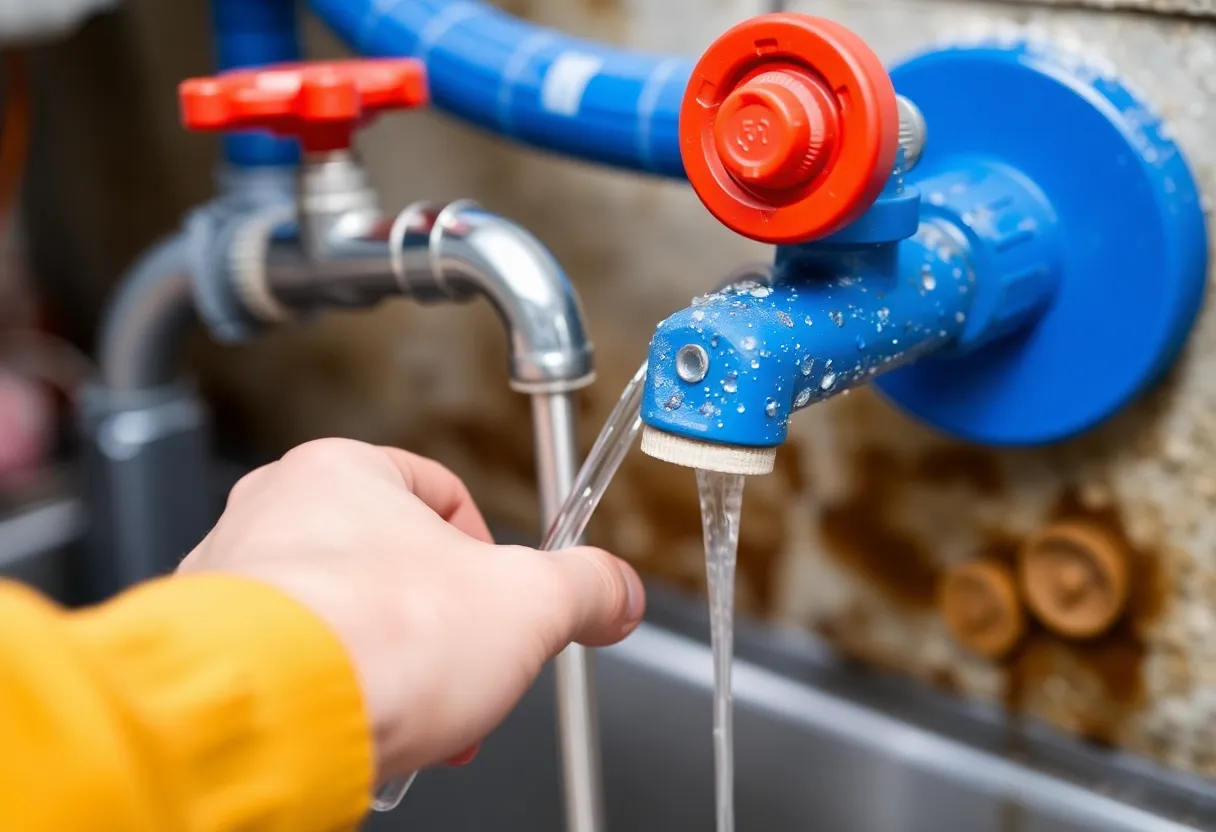
The Plumbing Survival Guide: 10 Essential Tips to Navigate Seasonal Plumbing Challenges
Seasonal changes can bring about a myriad of plumbing challenges. From freezing pipes in winter to clogged drains in summer, being prepared is key to ensuring your plumbing system runs smoothly year-round. This article will provide you with the _10 essential tips_ to navigate these seasonal plumbing challenges effectively.
Understanding Seasonal Plumbing Issues
Before diving into the tips, it’s important to understand why certain plumbing issues arise with changing seasons. Temperature fluctuations, higher usage of water, and the accumulation of debris can all contribute to plumbing problems. By understanding these factors, you can better prepare for the challenges that come with each season.
Winter Challenges
Winter is notorious for its cold temperatures that can lead to severe plumbing issues such as frozen pipes and malfunctioning water heaters. Being proactive can prevent costly damage.
Tip 1: Insulate Your Pipes
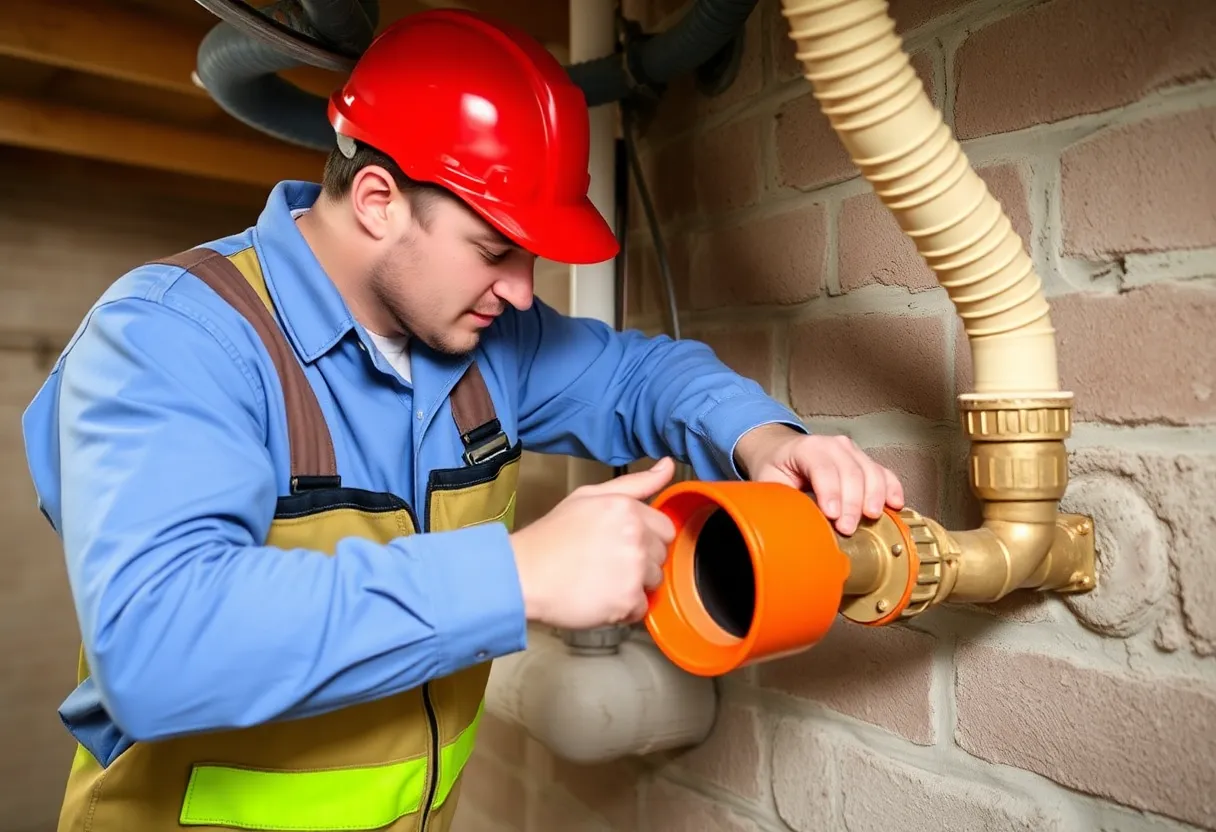
Insulating your pipes is one of the simplest and most effective ways to protect against freezing. Use foam insulation sleeves or heat tape to keep your pipes warm during the coldest months. Focus particularly on pipes in unheated areas like basements and attics.
Tip 2: Keep a Steady Temperature
During extreme cold snaps, it’s important to maintain a steady temperature in your home. Keep your thermostat set to the same temperature both day and night, and never set it lower than 55°F. This helps ensure that your pipes do not freeze.
Tip 3: Drip Your Faucets
When temperatures drop significantly, allow a small trickle of water to flow from your faucets. This constant movement of water helps to prevent freezing by relieving pressure that builds up in the pipes. Consider this especially for those pipes that are more susceptible to freezing.
Spring Challenges
As the weather warms up, spring brings its own set of plumbing challenges, primarily due to melting snow and rain leading to potential flooding.
Tip 4: Check for Leaks
Once the thaw begins, it’s critical to inspect for any leaks that may have developed during the winter. Check your pipes and fixtures for signs of moisture. A small leak can develop into a larger, more costly repair if left unaddressed.
Tip 5: Clean Your Gutters
Spring showers can lead to unexpected flooding, so ensure that your gutters are clear of debris. A clogged gutter can lead to water overflow which can affect your home’s foundation and lead to plumbing issues. Regular maintenance in spring is key to keeping it clear.
Summer Challenges
With the heat of summer, increased water usage is common as more people take showers, water their lawns, and fill pools. This can lead to plumbing strain and challenges.
Tip 6: Monitor Water Usage
Be mindful of your water bill during the summer months. A sudden spike could indicate a leak. Check your toilets, showers, and outdoor faucets regularly to ensure everything is functioning correctly and conserve water wherever possible.
Tip 7: Maintain Your Sprinkler System
Before activating your sprinkler system for the summer, inspect it for any breaks or malfunctions. Repair any issues to prevent excessive water waste. Adjusting spray heads can also enhance efficiency and effectiveness in watering your garden or lawn.
Fall Challenges
As fall approaches, preparations begin for the coming winter months. This season poses unique plumbing challenges related to debris accumulation.
Tip 8: Clear Out Drains
With leaves falling and more debris being blown around, it’s vital to keep your drains clear. Regularly check and clean gutters, downspouts, and outdoor drain covers to ensure water flows freely and does not lead to blockages.
Tip 9: Winterize Outdoor Faucets
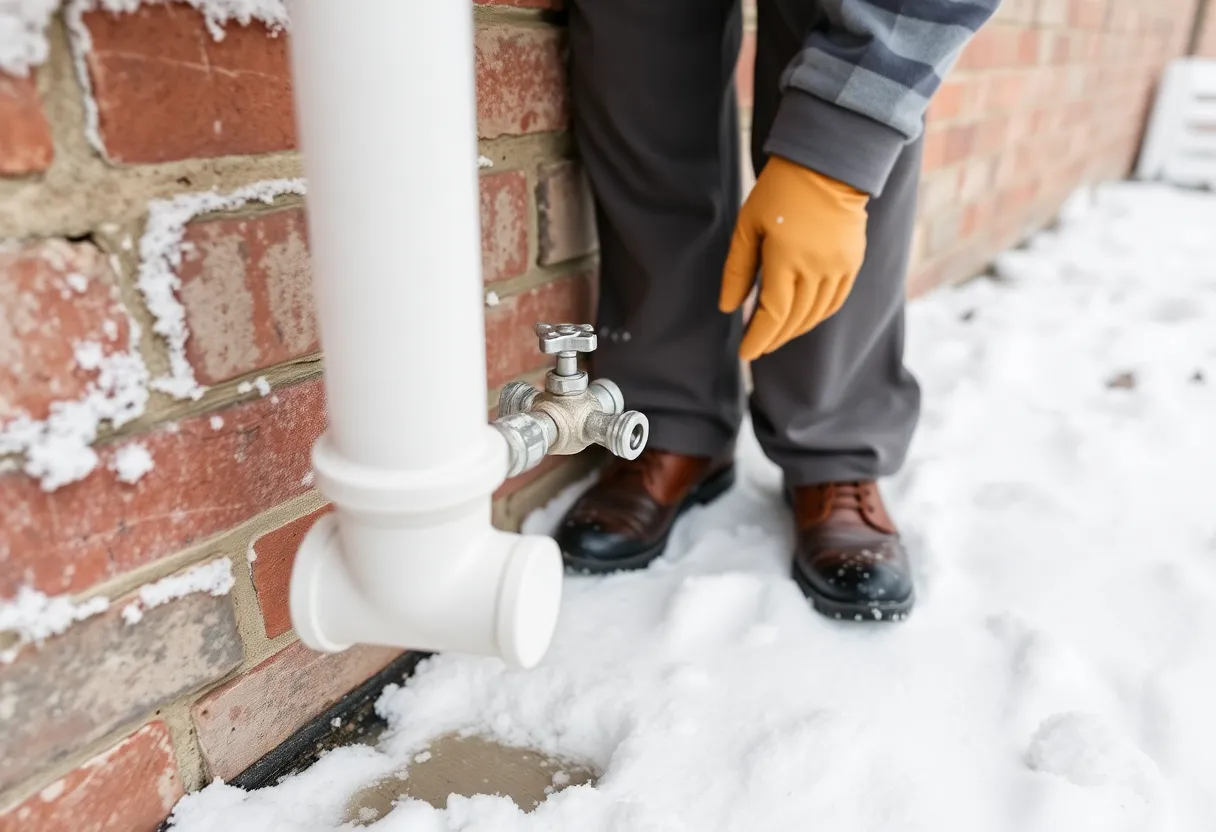
Before the first frost hits, make sure to winterize your outdoor faucets. Disconnect garden hoses, drain any remaining water, and cover the faucets with an insulated cover to prevent freezing. This simple step can save you from potential plumbing disasters.
General Year-Round Maintenance
While seasonal preparations are important, there are also crucial maintenance tasks to keep in mind throughout the year.
Tip 10: Schedule Regular Plumbing Inspections
Lastly, scheduling regular plumbing inspections with a professional can help identify potential problems before they escalate. An expert can perform thorough checks on your entire plumbing system and provide preventative measures to keep your plumbing in top shape.
Conclusion
Seasonal plumbing challenges can often be overwhelming, but with the right preparation and maintenance, you can navigate them successfully. Remember to _insulate your pipes during winter_, _monitor your water usage in summer_, and maintain _drainage systems in spring and fall_. By following these _10 essential tips_, you can avoid hefty repair bills and ensure the longevity of your plumbing system year-round.
FAQs
1. What should I do if my pipes freeze this winter?
If your pipes freeze, turn off the water supply immediately and use a hairdryer or heat lamp to warm the pipe gently. Never use open flames as they can damage the pipes.
2. How can I tell if I have a plumbing leak?
Common signs of a plumbing leak include water stains on walls or ceilings, the sound of running water when all fixtures are shut off, and an unexplained increase in your water bill.
3. What is the best way to prevent summer plumbing issues?
Monitor your water usage, maintain your sprinkler system, clear debris from drains, and regularly check for leaks.
4. How often should I have my plumbing inspected?
It is recommended to have your plumbing inspected at least once a year to catch any potential issues early.
5. Is it necessary to insulate pipes in unheated areas?
Yes, insulating pipes in unheated areas helps prevent freezing during the winter and can save you from expensive repairs and water damage.