

The Plumbing Transformation: 8 Innovative Strategies to Elevate Your Home’s Water Efficiency
In today’s world, where environmental conservation and sustainability are becoming increasingly crucial, homeowners are constantly searching for ways to enhance their home efficiency. One of the _most effective_ areas to focus on is your home’s plumbing system. By improving your plumbing’s water efficiency, you can significantly reduce water consumption, lower utility bills, and contribute positively to the environment. Here are 8 innovative strategies that can help transform your plumbing system and elevate your home’s water efficiency.
1. Conduct a Water Audit
The first step towards enhancing your home’s water efficiency is to conduct a _comprehensive water audit_. This involves assessing how much water your household consumes and identifying areas where water is being wasted. A water audit typically includes:
- Checking for leaks in faucets, toilets, and pipes.
- Monitoring your water meter to identify unusual spikes in usage.
- Reviewing water bills to understand your consumption patterns.
Once you complete the audit, you’ll have a clearer picture of your water usage, allowing you to focus on the areas that require improvement.
2. Install Low-Flow Fixtures
One of the easiest and _most effective_ ways to reduce water consumption is by installing low-flow fixtures such as faucets, showerheads, and toilets. Low-flow fixtures are designed to use less water without sacrificing performance. For example:
- Low-flow showerheads can reduce water use by up to 60% while still providing adequate pressure.
- Low-flow faucets can help save approximately 30% more water compared to standard models.
- High-efficiency toilets consume less than 1.28 gallons per flush, significantly less than traditional toilets.
By upgrading to low-flow fixtures, homeowners can enjoy considerable savings on their water bills while also conserving this precious resource.
3. Incorporate Smart Irrigation Systems
Inefficient irrigation systems often lead to excessive water usage, especially in homes with gardens and lawns. To tackle this issue, consider implementing _smart irrigation systems_. These systems utilize advanced technology, such as moisture sensors and weather data, to optimize watering schedules. Here’s how they can help:
- Automatically adjust watering based on rainfall and soil moisture levels.
- Reduce water wastage by avoiding overwatering and ensuring the right amount of water is delivered to plants.
- Track water usage through apps, providing you with valuable insights into your irrigation patterns.
Switching to a smart irrigation system can save homeowners thousands of gallons of water annually, contributing significantly to overall water efficiency.
4. Utilize Greywater Systems
Greywater systems allow homeowners to recycle water from sinks, showers, and laundry for irrigation and toilet flushing. This system diverts relatively clean wastewater, thereby conserving potable water. Implementing a greywater recycling system offers several benefits:
- Reduces reliance on freshwater resources by using existing greywater for non-potable purposes.
- Lowers water bills since less water is drawn from the municipal supply.
- Decreases wastewater production, thus lessening the burden on sewer systems.
With the growing emphasis on sustainability, installing a greywater system is a wise investment for any eco-conscious homeowner.
5. Repair Leaks Promptly
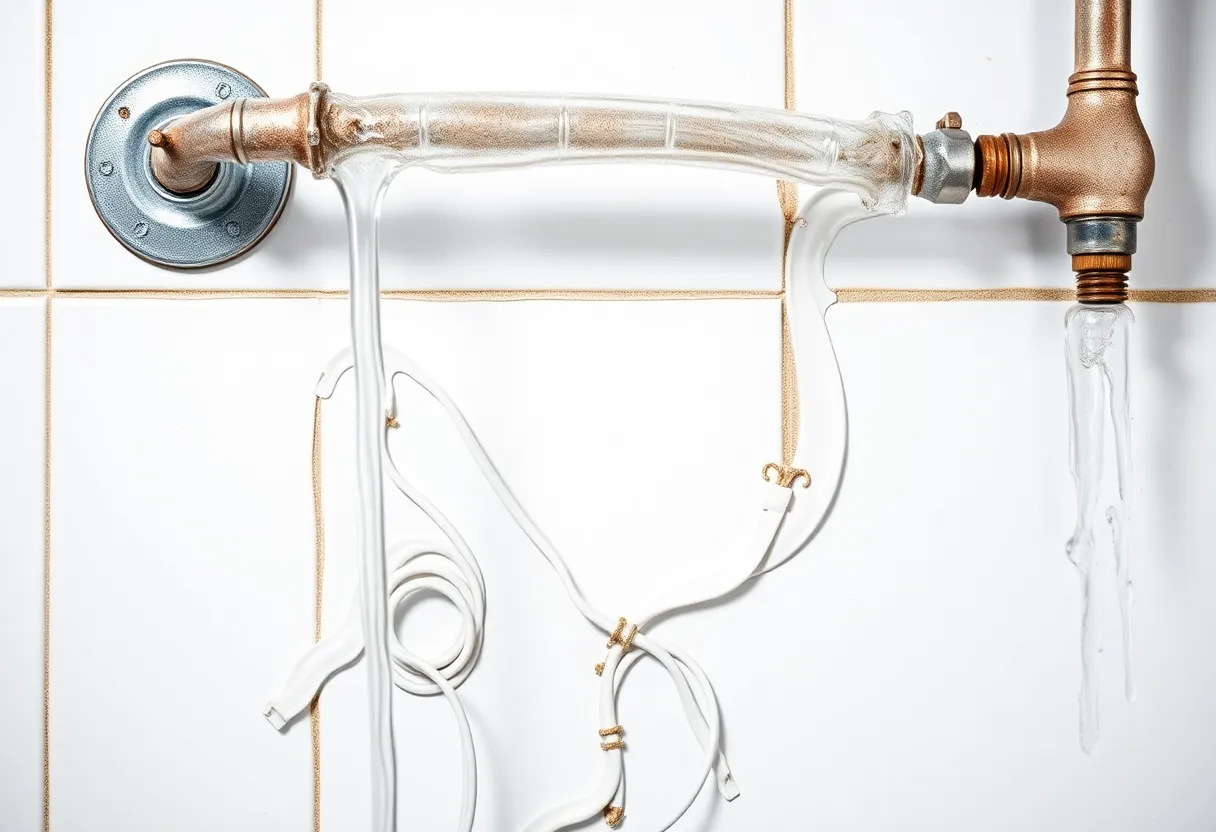
One of the most crucial strategies for enhancing water efficiency is to promptly repair any leaks. Even a small leak can waste a significant amount of water over time. Common leaks often occur in:
- Faucets – Dripping faucets can waste more than 3,000 gallons of water annually.
- Toilets – Silent leaks in toilets can account for more than 6,000 gallons of water wasted each year.
- Pipes – Broken or corroded pipes often lead to substantial water loss and need immediate attention.
Regular maintenance and timely repairs can significantly improve the water efficiency of your home and help prevent more extensive damage in the long run.
6. Consider Water-Saving Appliances
As technology evolves, more manufacturers are producing _water-saving appliances_ designed for efficiency without compromising performance. When upgrading appliances, make these considerations:
- Washing Machines – Look for ENERGY STAR-rated models that use less water and energy.
- Dishwashers – A modern dishwasher uses less water per load than washing dishes by hand, making it a sustainable choice.
- Refrigerators – Some options come with built-in water filtration systems that minimize water waste.
Evaluating and upgrading to water-saving appliances can provide long-term savings on water bills while contributing to reduced water consumption.
7. Optimize Water Usage Habits
In addition to upgrading fixtures and systems, adopting smarter _daily water usage habits_ can further elevate your home’s water efficiency. Simple lifestyle changes can make a significant impact:
- Take shorter showers – Aim for a 5-10 minute time limit to save gallons of water.
- Turn off the tap while brushing teeth to avoid unnecessary water wastage.
- Only run dishwashers and washing machines with full loads to maximize their efficiency.
- Use a broom instead of a hose to clean driveways and sidewalks.
By cultivating water-smart habits, every member of your household can contribute to improving overall water efficiency.
8. Explore Rainwater Harvesting
Rainwater harvesting systems offer a sustainable method to collect and store rainwater for non-potable purposes, such as irrigation and toilet flushing. Here are some advantages of implementing this technique:
- Reduces dependency on municipal water supplies by utilizing natural water sources.
- Mitigates stormwater runoff and its associated risks, benefiting local ecosystems.
- Provides a cost-effective water source for landscaping and gardening needs.
With proper installation and maintenance, rainwater harvesting can significantly contribute to enhancing your home’s water efficiency and promoting environmental sustainability.
Conclusion
Enhancing your home’s water efficiency is not only beneficial for the environment but also for your wallet. Whether through a comprehensive water audit, installing low-flow fixtures, or optimizing your daily habits, the strategies outlined above can contribute to a significant transformation in your plumbing system. By adopting _innovative plumbing solutions_, homeowners can ensure they are making responsible choices that impact both their household and the planet positively.
By implementing these strategies, your plumbing can become a model of efficiency, serving as an inspiration for others to follow suit and contribute to a more sustainable future.
FAQ
What is a water audit?
A water audit is a comprehensive assessment of how much water your household consumes and identifying areas where water is being wasted, typically involving checks for leaks and monitoring water usage patterns.
How do low-flow fixtures save water?
Low-flow fixtures are designed to reduce water consumption while maintaining performance, such as low-flow showerheads that can reduce water use by up to 60%.
What are smart irrigation systems?
Smart irrigation systems use advanced technology like moisture sensors and weather data to optimize watering schedules and reduce water wastage.
What are greywater systems?
Greywater systems recycle water from sinks, showers, and laundry for non-potable uses like irrigation and toilet flushing, conserving freshwater resources.
How do I know if I have plumbing leaks?
Common signs of plumbing leaks include dripping faucets, unusually high water bills, and water meter readings that show spikes in usage.