

The Plumbing Paradox: 9 Common ‘Fixes’ That Could Lead to Costly Repairs
Every homeowner faces plumbing issues at some point or another. While it can be tempting to address these problems with quick-and-easy solutions, some do-it-yourself (DIY) fixes can lead to greater complications and expenses down the road. This article delves into the plumbing paradox, highlighting nine common ‘fixes’ that often result in costly repairs. By gaining awareness of these issues, homeowners can make informed decisions that save them from nightmare scenarios—ultimately protecting their investments and peace of mind.
1. Overtightening Fixtures
It might seem natural to tighten plumbing fixtures such as faucets and toilet bolts firmly, but overtightening can cause damage. When plumbing components are forced too tightly, they can crack or break due to excessive pressure. This issue affects a wide variety of fixtures, from sink drains to shower heads.
The Consequences
Cracked fixtures can lead to leaks that are not only annoying but can also result in extensive water damage over time. Moreover, repairing or replacing these fixtures can end up costing significantly more than if they would have been fitted correctly in the first place.
Top Tip:
When installing or tightening fixtures, it’s best to follow the manufacturer’s specifications and use a moderate amount of torque to ensure a long-lasting seal without damaging the components.
2. Using Chemical Drain Cleaners
It’s easy to reach for a bottle of chemical drain cleaner at the first sign of a clog. However, these products often contain harsh chemicals that can harm your pipes. Chemical drain cleaners might provide a quick fix, but they can also degrade the material of your plumbing over time.
The Consequences
Repeated use of these cleaners can lead to leaks, corrosion, and serious blockages that require professional intervention. Sometimes, the only solution left may be a complete pipe replacement, a significantly more expensive repair.
Top Tip:
Consider using a manual drain snake or a combination of baking soda and vinegar as an eco-friendly solution for clearing minor clogs without damaging your plumbing.
3. Neglecting Water Heater Maintenance
Water heaters don’t typically show visible signs of wear, making it easy to overlook their maintenance needs. Ignoring essential maintenance tasks, such as flushing the tank annually can lead to sediment buildup and decreased efficiency. Neglecting water heater maintenance may ultimately lead to costly breakdowns.
The Consequences
Failing to maintain your water heater can result in leaks, rust, and inefficiency, forcing you to replace an entire unit instead of simply performing a straightforward maintenance practice.
Top Tip:
Schedule regular inspections and clean your water heater at least once a year. This practice extends the life of your heater and ensures it runs efficiently.
4. Using the Wrong Pipe Materials
When repairing or installing plumbing systems, choosing the right materials is critical. Some people may attempt to save money using less expensive or incompatible piping materials. For instance, using PVC piping in high-heat areas can create problems due to its melting point.
The Consequences
Improper material use can lead to cracks, leaks, and even health hazards if contaminants enter the drinking water. A plumbing system using incorrect materials could also nullify warranties on other plumbing fixtures.
Top Tip:
Before purchasing materials for any plumbing job, consult a professional or do thorough research to ensure that you’re using the right products for your specific plumbing needs.
5. Ignoring Warning Signs
Dismissing warning signs—such as slow drains, discolored water, or sounds like gurgling—can lead to bigger problems. These are often indicators of serious plumbing issues, but homeowners may ignore them thinking the problems will go away on their own.
The Consequences
Failing to act on these warning signs can result in severe blockages, overflowing toilets, or even water intrusion that damages the home structure. The longer a problem persists, the more it can escalate, making repairs increasingly expensive.
Top Tip:
Be proactive about your plumbing. Keep an eye on any changes, and don’t hesitate to consult a professional if you suspect a significant issue.
6. DIY Pipe Repairs with Epoxy or Tape
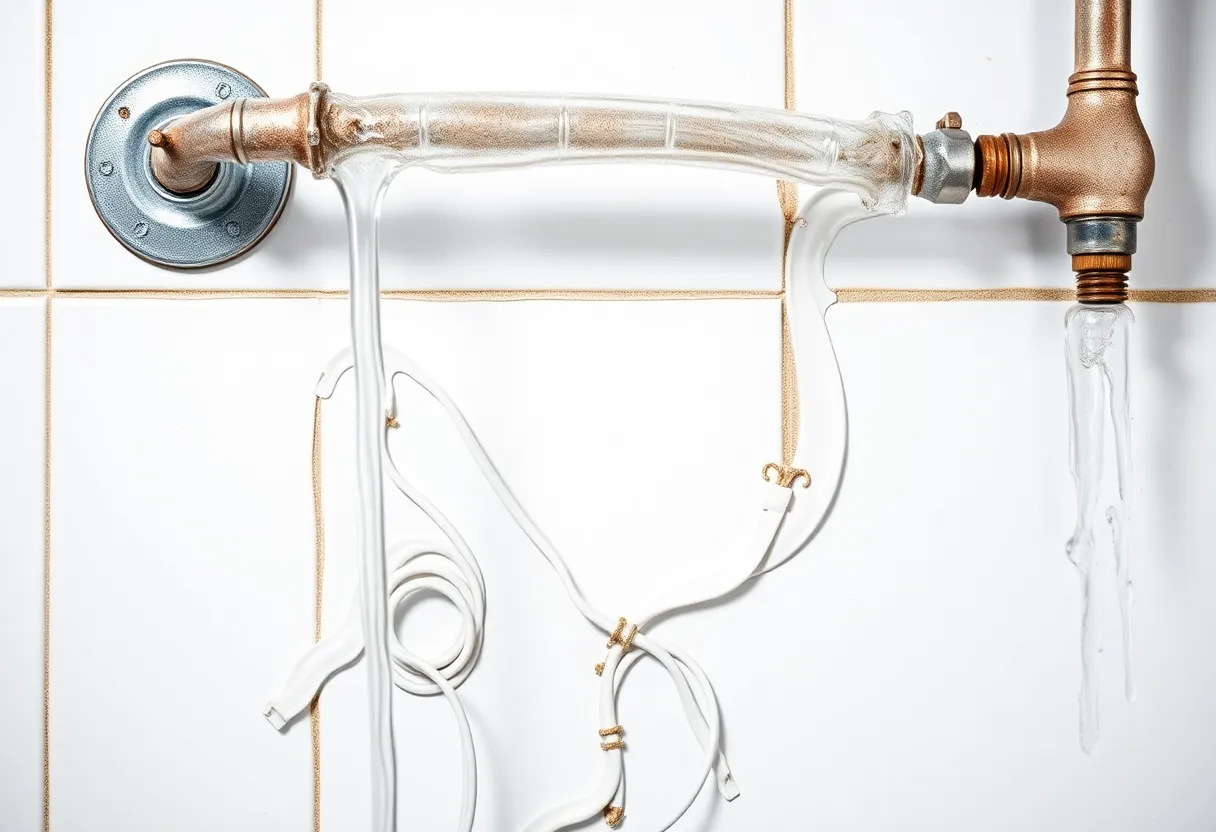
When a small leak occurs, the idea of patching it up with epoxy or wrapping it in tape seems like a straightforward solution. However, this is often only a temporary fix. DIY pipe repairs can fail, leading to more significant leaks over time.
The Consequences
These temporary solutions often do not seal correctly, allowing further leaks and possibly leading to extensive water damage and mold growth, resulting in costly restorations.
Top Tip:
Instead of temporary methods, consider replacing the affected section of pipe completely or hiring a professional plumber to do so. It may be pricier upfront but will save you money in the long run.
7. Avoiding Professional Inspections
Many homeowners overlook the need for regular plumbing inspections. While the initial cost may seem steep, neglecting proper evaluations can lead to significant long-term expenses. Professional inspections can identify tiny leaks, drips, and clogs before they evolve into monstrous problems.
The Consequences
By avoiding regular inspections, you may find yourself facing severe plumbing issues when something critical fails. This could involve emergency repairs in the middle of the night, incurring higher costs than if you had been proactive.
Top Tip:
Invest in a professional plumbing inspection annually to catch potential issues early and save yourself the agony of sudden plumbing emergencies.
8. Skipping the Shut-Off Valve
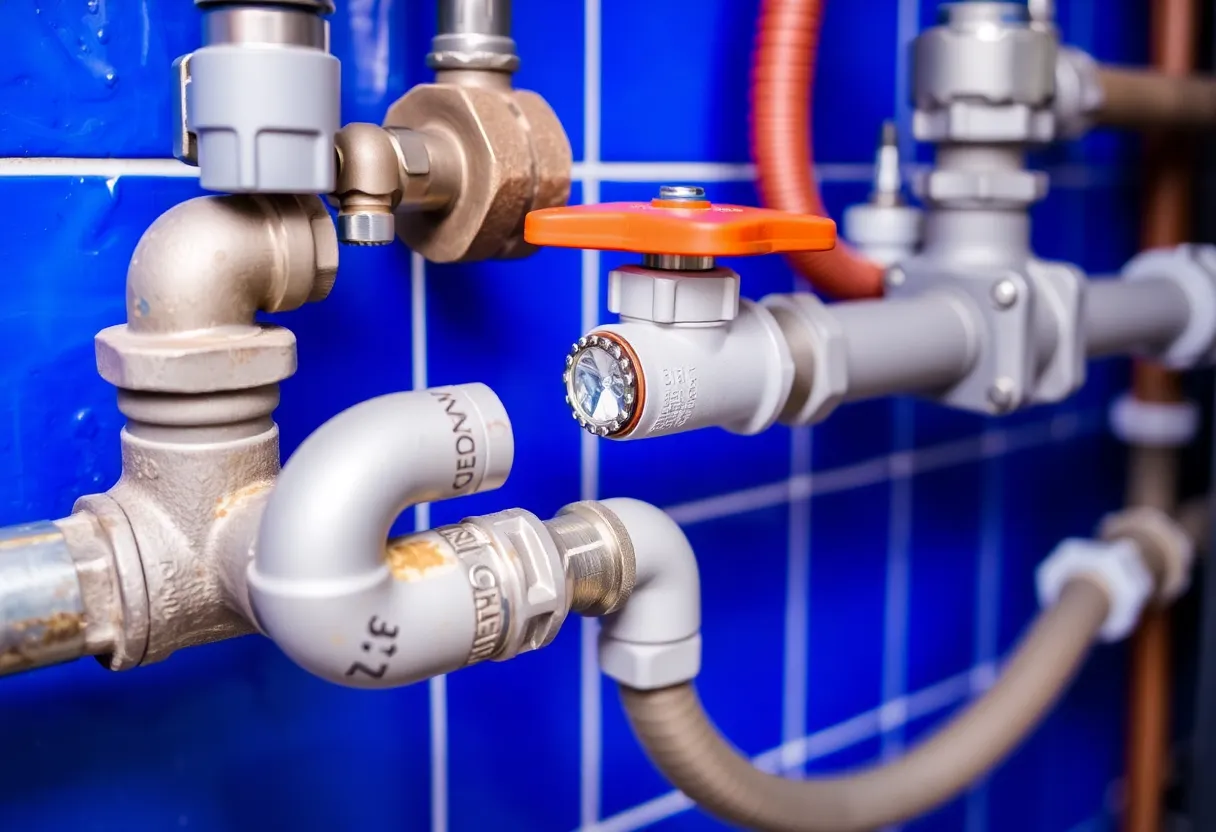
Some homeowners may not know where their plumbing shut-off valves are located or may forget to shut them off during repairs. This oversight can lead to severe flooding. The shut-off valve is essential for controlling water flow and is a critical component of any plumbing system.
The Consequences
Forgetting to shut off the water can saturate flooring, walls, and even furniture—an expense that will overshadow any money saved by doing the repairs yourself.
Top Tip:
Familiarize yourself with your home’s plumbing shut-off valve locations, and always shut them off during repairs to prevent flooding or excess water damage.
9. Relying on Quick Fixes Instead of Long-Term Solutions
Homeowners often rely on quick fixes, like using duct tape or other short-term remedies, instead of investing in proper repairs. The notion of a quick solution can be tempting, but it often leads to long-term issues.
The Consequences
These band-aid solutions can deteriorate, causing more damage and requiring full system replacements instead of simple repairs. Over time, this can escalate into bigger plumbing nightmares.
Top Tip:
Whenever possible, take the time to assess the situation fully and invest in repairs that will last rather than temporary fixes. Consult professionals to ensure you’re investing in a solution that genuinely resolves the issue.
Conclusion
The plumbing paradox underscores the irony of common ‘fixes’ that may ultimately lead to significant repairs and expenses. Understanding these pitfalls and making informed decisions can save homeowners from financial strain and stress. From proper maintenance to understanding when to consult a professional, being proactive about plumbing can lead to a smoother and more trouble-free experience in caring for one’s home.
Final Thoughts
Always approach plumbing fixes with caution and care. While some jobs may seem manageable, it’s essential to recognize when professional intervention is needed to ensure a home remains safe, functional, and free of costly repairs.