

The Plumbing Enlightenment: 10 Must-Know Techniques for Sustainable Water Management at Home
As global awareness about environmental issues continues to grow, the importance of sustainable living practices has never been more prevalent. Among the various facets of sustainable living, _water management_ holds a key position. Water is a precious resource that needs to be conserved effectively, particularly in our homes. This article will delve into 10 must-know techniques for sustainable water management that can be easily implemented at home.
1. Install Low-Flow Fixtures
One of the most straightforward methods to enhance water conservation is to install _low-flow fixtures_. These include low-flow showerheads and faucets that significantly reduce water consumption without sacrificing water pressure. Traditional showerheads use about 2.5 gallons per minute (gpm), while low-flow models can reduce this to 1.5 gpm or less. Switching to these fixtures can result in substantial water savings and lower utility bills over time.
Benefits of Low-Flow Fixtures
- _Reduced water wastage_: Saves gallons of water each day.
- _Energy savings_: Uses less hot water, thus reducing energy costs associated with heating.
- Easier compliance with _local water regulations_ in areas affected by droughts.
2. Fix Leaks Promptly
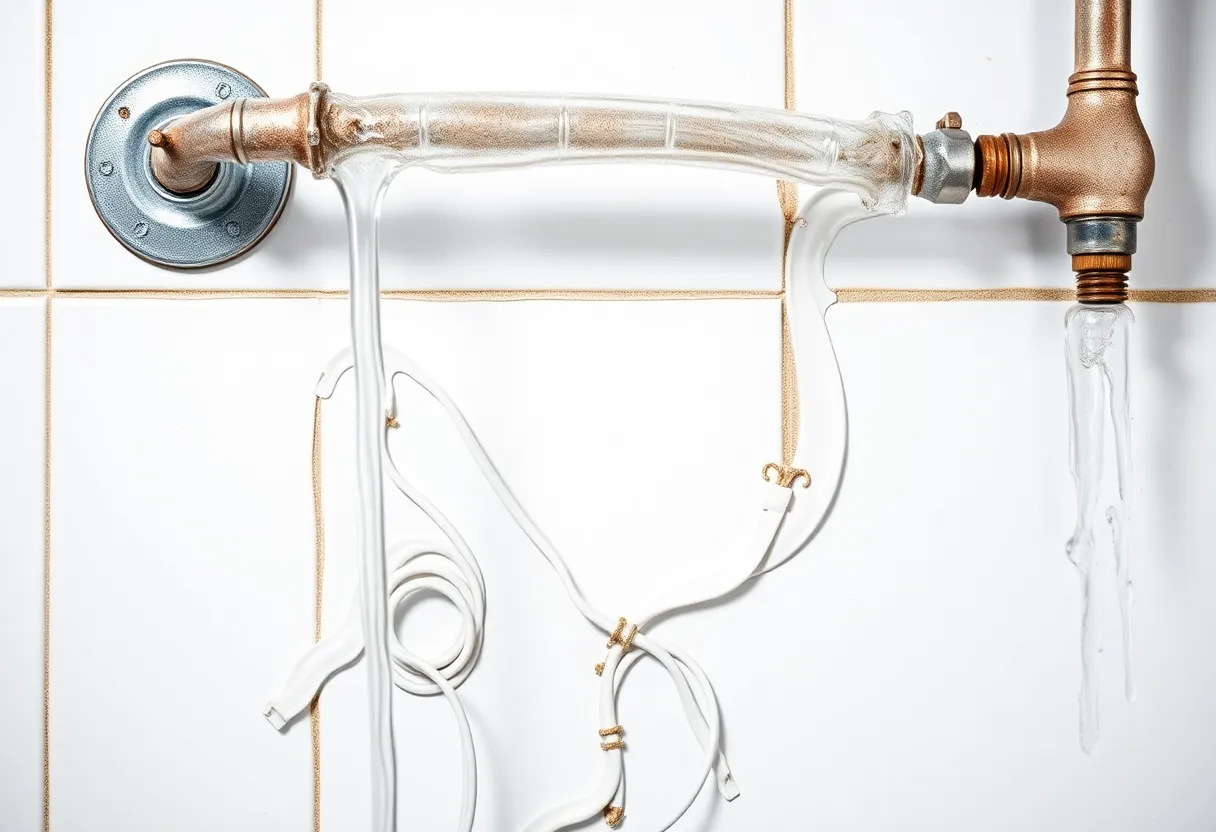
Another key technique for sustainable water management is to address leaks promptly. A small drip from a leaky faucet can waste more than 3,000 gallons per year. To tackle this issue:
- Regularly inspect pipes and fixtures.
- Use the _bucket test_ to check for toilet leaks by adding food dye to the tank and observing if the color seeps into the bowl.
By addressing leaks immediately, you can save water and maintain the integrity of your plumbing system.
Common Signs of Leaks
- Water pooling around fixtures or appliances.
- Increased water bills without an increase in water usage.
- Mold or mildew developing in areas prone to moisture.
3. Employ Rainwater Harvesting
Implementing a _rainwater harvesting system_ can be a highly efficient way to utilize natural resources. This system collects rainwater from roofs through gutters and channels it into barrels or cisterns for later use. Rainwater can be used for irrigation, flushing toilets, and even for washing clothes.
Simple Steps to Set Up Rainwater Harvesting
- Install a _rain barrel_ at downspouts to accumulate rainwater.
- Use a first-flush diverter to ensure that the cleanest water is collected.
- Make sure the storage system is secure from debris and contaminants.
4. Optimize Irrigation Systems
For households with gardens or lawns, optimizing your _irrigation system_ is essential for sustainable water management. Consider the following strategies:
- Implement _drip irrigation_ instead of traditional spray systems to minimize evaporation and runoff.
- Irrigate during cooler parts of the day to reduce evaporation.
- Utilize _mulching_ to retain soil moisture.
Benefits of Optimized Irrigation
- Decreased water usage.
- Healthier plants due to nuanced watering practices.
- Reduction in runoff, preventing erosion and water quality issues.
5. Adjust Water Heater Settings
Did you know that you can conserve water by adjusting the settings on your water heater? Setting the heater to a lower temperature—around _120 degrees Fahrenheit_—not only saves energy but reduces water wastage, as it requires less hot water to achieve the desired temperature for showers or dishwashing.
Additional Tips for Water Heaters
- Insulate pipes and the water heater to reduce heat loss.
- Regularly flush your water heater to prevent sediment buildup and maintain efficiency.
6. Use Whole House Water Filtration
Installing a _whole-house water filtration system_ can reduce the need for bottled water, which contributes to waste. Furthermore, filtering the water at the source can help improve overall water quality, making it safe for drinking, cooking, and bathing while conserving water through reduced wastage caused by poor quality.
How Whole House Filters Work
These systems allow all incoming water to pass through a series of filters that remove impurities, thus improving taste and quality, leading to less wastage. You can find various options, from activated carbon filters to reverse osmosis systems.
7. Opt for Native Landscaping
Choosing native plants for landscaping greatly assists in sustainable water management. Native plants require less water, _fertilizer_, and pesticides and are better suited to local soil and environmental conditions. This reduces the need for irrigation and helps maintain the ecosystem.
Benefits of Native Landscaping
- Lower water requirements compared to non-native species.
- Supports _local biodiversity_ by providing habitats.
- Elevation of property value through aesthetically pleasing landscaping.
8. Invest in Greywater Systems
Greywater refers to wastewater generated from activities such as showering, washing dishes, and laundry. _Recycling greywater_ using a greywater system allows you to repurpose this wastewater for irrigation or toilet flushing, significantly conserving fresh water.
Considerations for Greywater Systems
- Check _local regulations_ and obtain the necessary permits before installing.
- Educate yourself about safe greywater practices to avoid contamination.
9. Educate the Household
For sustainable water management, education and awareness among household members are paramount. Teaching family members, particularly children, about water conservation can instill habits that lead to long-term sustainability.
Ways to Educate
- Encourage habits like turning off the tap while brushing teeth.
- Organize _family workshops_ on water conservation techniques.
- Use water-saving charts to track daily usage and set conservation goals.
10. Regular Maintenance Checks
Maintaining your plumbing system and fixtures is essential for ensuring efficient water use. Regular inspections can help identify potential issues before they become costly repairs, ultimately saving water and money.
Practice Regular Maintenance By:
- Scheduling routine plumbing inspections.
- Cleaning aerators and showerheads to prevent mineral buildup.
- Inspecting irrigation systems for leaks or inefficiencies.
Conclusion
Much like the movements in _Plumbing Enlightenment_, embracing sustainable water management techniques at home can significantly contribute to conserving this priceless resource. By implementing the suggested methods—from installing low-flow fixtures to maintaining your plumbing systems—you not only promote environmental sustainability but also enjoy the immediate benefits of reduced water bills and improved home efficiency. It’s a win-win situation for both you and the planet.