

The Plumbing Upgrade Revolution: 10 Must-Know Innovations to Transform Your Home’s Efficiency in 2025
The plumbing industry is on the brink of a significant transformation, with advancements that promise not only to enhance convenience but also to conserve resources and improve overall efficiency. As we look forward to 2025, it’s essential to recognize the technologies and innovations that will redefine residential plumbing. This article presents 10 must-know innovations that are set to reshape your home and transform its efficiency. Each innovation not only offers functional benefits but also supports a sustainable way of living. Let’s dive in!
1. Smart Water Meters
One of the most critical evolutions in plumbing technology is the deployment of smart water meters. These devices use advanced technology to monitor water usage in real time, allowing homeowners to detect leaks and excess consumption.
Benefits of Smart Water Meters
- Data Tracking: Consumers can track their water usage patterns and adjust their habits accordingly.
- Leak Detection: Immediate notifications about leaks can prevent serious water damage and costly repairs.
- Cost Savings: Understanding consumption can lead to reduced utility bills over time.
2. Tankless Water Heaters
Tankless water heaters are rapidly gaining popularity due to their energy-saving potential and continuous hot water supply. Unlike traditional heaters, which store water in a tank, tankless systems heat water on-demand.
Advantages of Tankless Water Heaters
- Energy Efficiency: They use less energy since they aren’t continuously heating water.
- Space-Saving: Compact design frees up space in your home.
- Longevity: A lifespan of over 20 years, almost double that of traditional heaters.
3. Greywater Recycling Systems
The concept of greywater recycling involves reusing water from baths, sinks, and washing machines for irrigation and toilet flushing. By integrating greywater systems, homes can significantly reduce their overall water consumption.
The Importance of Greywater Recycling
- Water Conservation: Reduces demand on potable water supplies.
- Cost-Saving: Lowers the water bill while maintaining efficient water usage.
- Environmental Benefits: Provides an eco-friendly option for landscaping and home maintenance.
4. Energy-Efficient Fixtures
In 2025, embracing energy-efficient fixtures, such as low-flow faucets and showerheads, will be mandatory for eco-conscious homeowners. These fixtures dramatically reduce water consumption without sacrificing performance.
Features of Energy-Efficient Fixtures
- Reduced Flow Rates: Maintain pressure while significantly lowering water usage.
- Improved Technology: Many products employ technology that enhances the user experience despite lower flow.
- Long-Term Savings: Users will notice a reduction in water bills while contributing to environmental conservation.
5. Enhanced Pipe Materials
As technology advances, so do the materials used in plumbing. Cross-Linked Polyethylene (PEX) and copper pipes are increasingly used due to their durability and resistance to corrosion.
Benefits of Enhanced Pipe Materials
- Longevity: Newer materials offer a longer lifespan and less likelihood of leaks.
- Heat Resistance: Better thermal efficiency maintains temperature without excessive energy loss.
- Flexibility: PEX pipes can bend without fittings, reducing the potential for leaks in joints.
6. Whole-Home Filtration Systems
In an age where water quality matters more than ever, whole-home filtration systems are becoming essential. These systems provide clean, filtered water from every tap in the home, ensuring better health and peace of mind.
Essentials of Whole-Home Filtration
- Health Benefits: Reduces contaminants and improves taste and odor.
- Convenience: No need for multiple filtration devices on individual taps.
- Cost Efficiency: Initially more expensive, they provide savings over purchasing bottled water.
7. Advanced Leak Detection Technology
Leak detection technology has advanced significantly, with smart systems now available that can alert homeowners to leaks before they cause damage. These systems can be integrated with smart home platforms for maximum efficiency.
Features of Advanced Leak Detection Technology
- Real-Time Alerts: Immediate notifications sent directly to your smartphone.
- Automated Shut-Off: Automatically shuts off water supply in the event of a leak, preventing flooding.
- Bluetooth Connectivity: Allows homeowners to monitor their plumbing from anywhere.
8. Hands-Free Plumbing Solutions
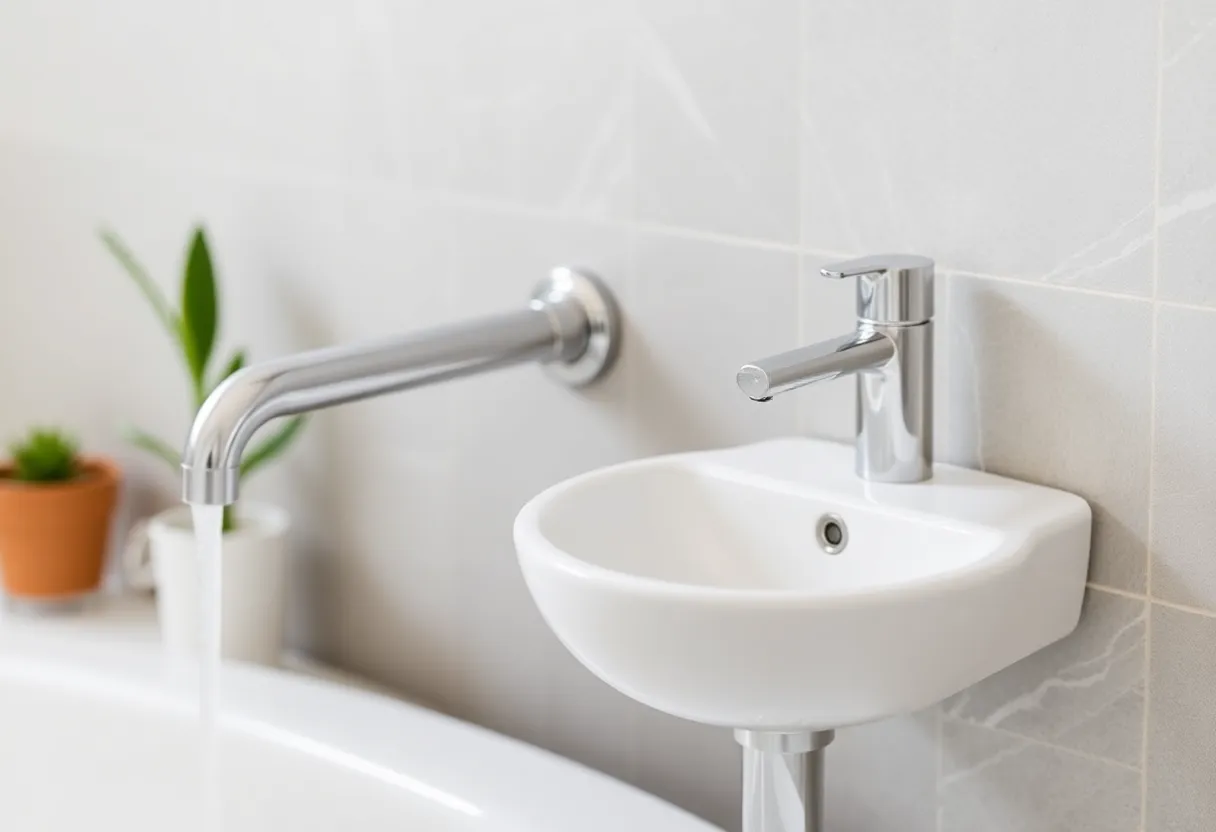
As the push for touchless technology continues, hands-free plumbing solutions are on the rise. This includes touchless faucets and automatic flushing toilets, promoting hygiene and water efficiency.
The Value of Hands-Free Solutions
- Hygiene: Reduces contact with surfaces that could harbor bacteria.
- Water Conservation: Sensors ensure that water flows only when necessary.
- Convenience: Enhances the user experience in homes and public restrooms alike.
9. Solar Water Heating Systems
Solar water heating systems allow homeowners to harness renewable energy for their hot water needs. This technology is becoming more accessible and efficient, making it a viable choice for many.
Pros of Solar Water Heating Systems
- Energy Savings: Reduces reliance on traditional energy sources, significantly lowering utility costs.
- Environmental Impact: Lowers carbon footprint by utilizing renewable energy.
- Technological Advancements: New systems are more efficient and easier to install than ever before.
10. 3D-Printed Plumbing Components
The future of plumbing could very well be revolutionized through 3D printing. This technology allows for custom fittings and parts to be manufactured on-demand, reducing waste and improving efficiency.
Benefits of 3D-Printed Plumbing Components
- Customization: Tailored solutions for unique plumbing needs or configurations.
- Cost Effective: Reduces the need for inventory and allows for faster production.
- Environmental Benefits: Minimizes material waste and transportation emissions.
Conclusion
As we embrace the innovations in plumbing technology, the potential to transform our homes into more efficient and sustainable spaces becomes increasingly evident. The Plumbing Upgrade Revolution is here, and by taking advantage of these innovations, homeowners can achieve unprecedented efficiency and sustainability. Each of these advancements not only enhances the functional aspects of plumbing but also supports a broader commitment to environmental responsibility.
Frequently Asked Questions (FAQ)
1. What are smart water meters, and how do they benefit homeowners?
Smart water meters monitor water usage in real-time, allowing homeowners to detect leaks and excess consumption while tracking their water usage patterns.
2. What makes tankless water heaters better than traditional ones?
Tankless water heaters use less energy since they heat water on demand, freeing up space and having a longer lifespan than traditional models.
3. How does greywater recycling work?
Greywater recycling involves reusing water from baths, sinks, and washing machines for irrigation and toilet flushing, conserving water resources and reducing bills.
4. What are the advantages of energy-efficient fixtures?
Energy-efficient fixtures, such as low-flow faucets and showerheads, reduce water consumption without sacrificing performance, ultimately leading to reduced utility bills.
5. What are whole-home filtration systems?
Whole-home filtration systems provide clean, filtered water from every tap in the house, improving health and comfort while saving money in the long run.