

The Plumbing Alert: 10 Critical Signs Your Water System is Crying for Help
Your plumbing system is the backbone of your home’s comfort and functionality. Yet, like any system, it can develop issues that may lead to costly repairs or even emergencies if not addressed promptly. Understanding the signs that your water system needs attention can save you time, money, and a lot of stress. This article outlines the top 10 critical signs that indicate your water system is crying for help.
1. Unexplained Water Bills Spike
One of the first signs of plumbing issues is a sudden increase in your water bill. If you see a spike that doesn’t correlate with your normal usage, it could be a sign of a _hidden leak_ somewhere in your plumbing system. Check for leaks around faucets, toilets, and under sinks. If you don’t see anything, the leak could be in the walls or underground, requiring immediate professional inspection.
2. Low Water Pressure
Low water pressure can significantly affect your daily activities, making it difficult to shower, wash dishes, or use faucets effectively. Several factors can contribute to low water pressure, including:
- Clogged Pipes: Over time, mineral deposits can build up inside your plumbing, reducing the water flow.
- Improper Pipe Size: If the plumbing system is not designed with the right pipe size, it can lead to pressure issues.
- Leaks: A leak in your plumbing can decrease water pressure.
Consider reaching out to a professional if you experience ongoing low water pressure.
3. Discolored Water
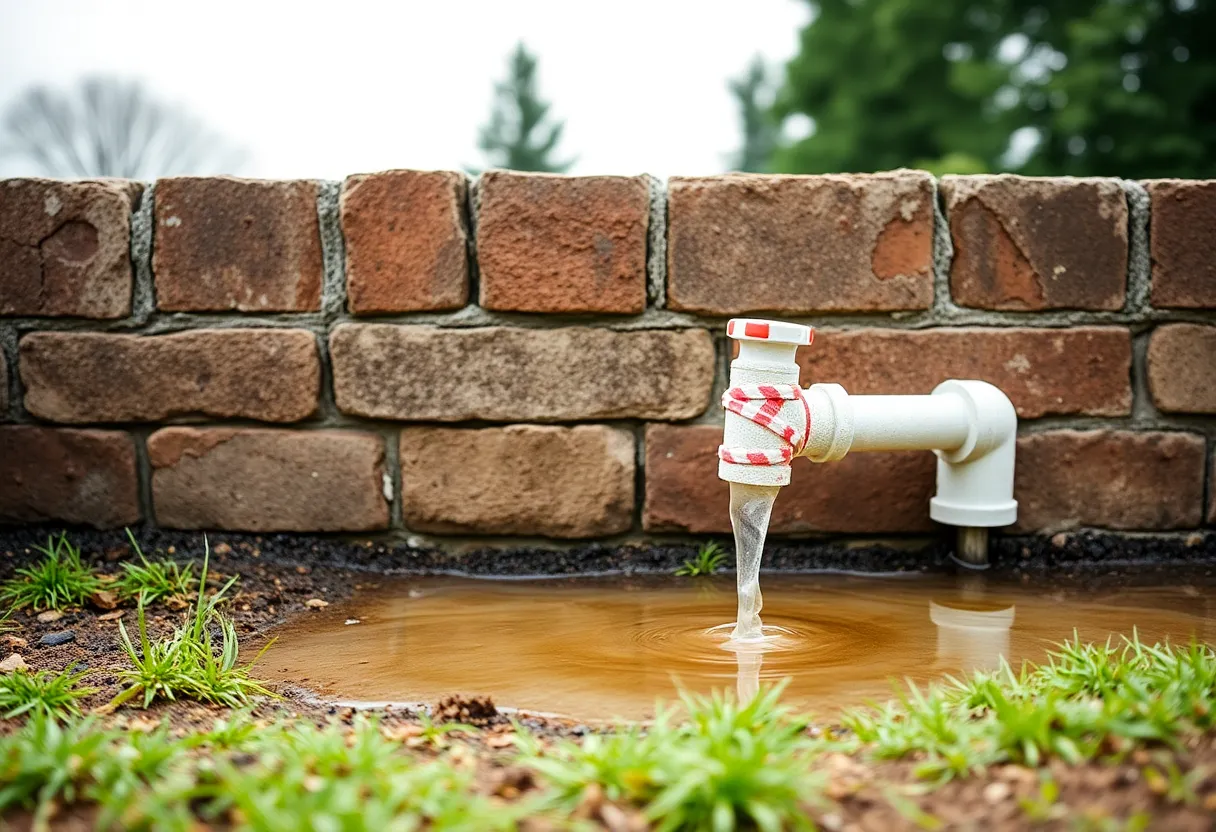
Discolored water can indicate possible issues such as rust, sediment, or mineral build-up in your water supply. If you notice a brown, yellow, or cloudy appearance in your tap water, it may be time to check:
- Your pipes: Older or corroded pipes might be leaching metal into the water.
- Local water quality: Occasionally, municipal water may have temporary issues.
Drinking discolored water can pose health risks, so it is advisable to take action immediately.
4. Foul Odors
Smelling bad odors like sewage or a rotten egg scent coming from your faucets or drains can suggest significant plumbing issues. Common sources include:
- Clogged Drains: Food particles and waste can accumulate, leading to unpleasant smells.
- Dry P-Trap: If a P-trap dries out, it can release odors from the sewer into your home.
- Septic tank problems: If you are on a septic system, it may require pumping or care.
If foul odors persist, do not hesitate to consult a plumbing professional.
5. Frequent Clogs
While occasional clogs are common, frequent blockages can indicate an underlying plumbing issue. Frequent clogs could be due to:
- Root Infiltration: Tree roots can invade underground pipes and cause blockages.
- Old Pipes: Worn-out pipes can easily lead to clogs.
- Improper Disposal: Not disposing of waste correctly can often cause clogged drain lines.
Continual clogging should prompt you to indulge in deeper plumbing inspection.
6. Strange Noises
If you hear strange noises such as banging, gurgling, or whistling coming from your plumbing system, it’s a sign something may be amiss:
- Banging Pipes: This can indicate either water pressure changes or air trapped in the pipes, a condition known as “water hammer.”
- Gurgling: Gurgling sounds might signal that your drains are partially obstructed.
- Whistling: This could suggest a trapped air pocket, improper pipe sizing, or even valve issues.
Trust your ears, and consult an expert if you notice strange plumbing sounds.
7. Water Stains on Walls or Ceiling
Water stains or discoloration on your walls or ceilings can be an alarming sign of leaking pipes. Such leaks may not always be visible; they could be hidden behind walls or ceilings, causing damage over time. Call in a professional_ plumber_ to identify the source of the leak, as long-term moisture buildup can lead to mold growth and structural damage.
8. Mold or Mildew Growth
Seeing mold or mildew growing in areas like bathrooms and kitchens indicates excess moisture, often associated with plumbing issues. While humidity can contribute, persistent leaks from your system are the likely suspect. Mold can be hazardous to your health, so addressing the leak is crucial, both to eradicate the source and ensure your home’s air quality is safe.
9. Water Heater Problems
Your home’s water heater is vital for supplying hot water for daily needs. Be vigilant of the following symptoms that might indicate a failing water heater:
- Strange noises: Popping or rumbling noises can signal sediment buildup in the tank.
- Leaks: Inspect for water pooling under the heater; tank leaks warrant immediate attention.
- Poor hot water supply: If you’re getting inconsistent hot water, it might mean the heater is nearing its end.
Regular maintenance can significantly extend the life of your water heater, hence schedule timely checks.
10. Overflowing Toilets
Finally, one of the more apparent signs of plumbing turmoil is a toilet that constantly overflows. This signal highlights issues such as:
- Clogs: Blockages in the toilet trap or the drain line can lead to overflow.
- Flapper problems: A malfunctioning flapper can cause toilet water to continuously flow into the bowl, leading to an overflow condition.
- Overflow Drain Clog: This often overlooked drain can become blocked and lead to backflow issues.
Addressing toilet overflowing promptly can prevent extensive water damage to your bathroom.
Summary
In conclusion, being acquainted with the _critical signs_ your plumbing system may need help can aid in taking preemptive measures to avoid serious plumbing disasters. Early detection and intervention can mitigate damage, save money, and reduce stress.
What Should You Do If You Encounter any of These Signs?
If you notice any of these signs, it is essential to consult a professional plumber as soon as possible. They can diagnose the issue, recommend appropriate repairs, and ensure your plumbing system is functioning correctly.
Caring for a plumbing system requires vigilance, a bit of knowledge, and a proactive approach. Remember, your water system is vital to your home’s overall health and comfort. Treat it with the care it deserves!