


Plumbing Mindfulness: 8 Essential Strategies for Stress-Free Home Water Management
Life can often feel overwhelmingly busy, and taking the time to address the intricate details of home maintenance, especially plumbing, may seem daunting. Indeed, the plumbing system of a home is both crucial and likely to cause stress if not managed properly. However, by practicing plumbing mindfulness, you can navigate your home’s water management with ease and confidence. Below are eight essential strategies that will lead you to a more relaxed and streamlined plumbing experience.
Understanding Your Plumbing System
The Importance of Knowledge
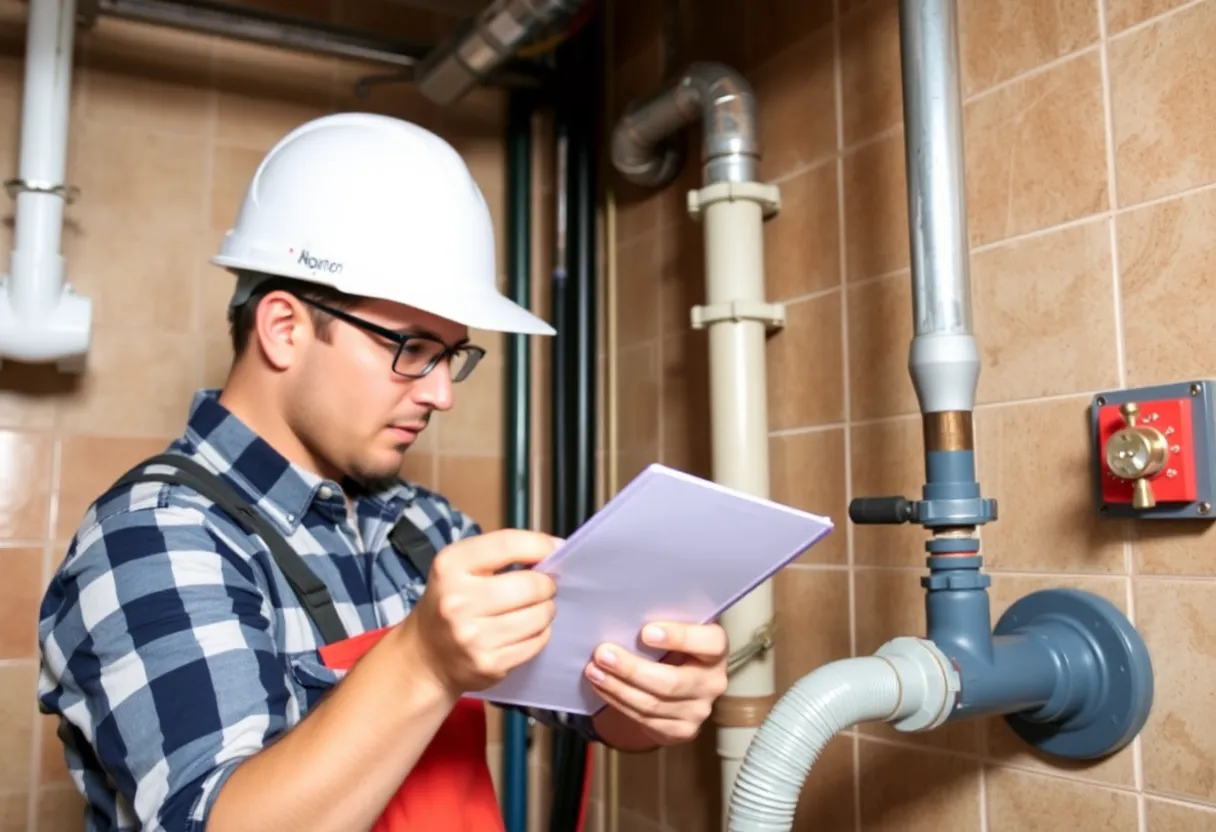
The first step towards achieving plumbing mindfulness is fully understanding your home’s plumbing system. Most homeowners can identify some of their plumbing components, but a deeper knowledge can make all the difference. Start by familiarizing yourself with:
- Main water supply lines: Knowing where the main shut-off valve is located can save you considerable stress in the event of a leak.
- Drainage systems: Understanding how your water drains from sinks, bathtubs, and toilets can help identify common blockage causes.
- Fixtures and appliances: Get to know the specifications and maintenance requirements of your sinks, faucets, washing machines, and dishwashers.
Documentation is Key
Maintain a comprehensive file or an accessible digital document about your plumbing system. Include relevant information such as installation dates, warranty information, and records of past repairs. This documentation can facilitate conversations with professionals should you ever need to hire a plumber.
Regular Maintenance Practices
Adopting a Maintenance Routine
An effective way to mitigate stress associated with plumbing issues is to adopt regular maintenance practices. Consider some of these methods:
- Visual inspections: Regularly inspect exposed pipes for signs of rust or corrosion, and check for leaks under sinks and around appliances.
- Drain care: Treat your drains to a bi-annual clean-out to prevent blockages caused by grime and debris, using natural cleaning agents like baking soda and vinegar.
- Water heater maintenance: Flush your water heater annually to remove sediment build-up and inspect the anode rod to prolong its life.
Seasonal Checks
The seasons can have varying impacts on your plumbing. For example, it’s wise to check outdoor spigots before winter hits to prevent freezing and bursting. As the seasons change, adapt your maintenance plan accordingly to ensure your plumbing remains in optimal condition.
Identifying Common Plumbing Issues
Preparation is Power
Understanding the most common plumbing issues can equip you with the knowledge to address them head-on when they occur. Be on the lookout for:
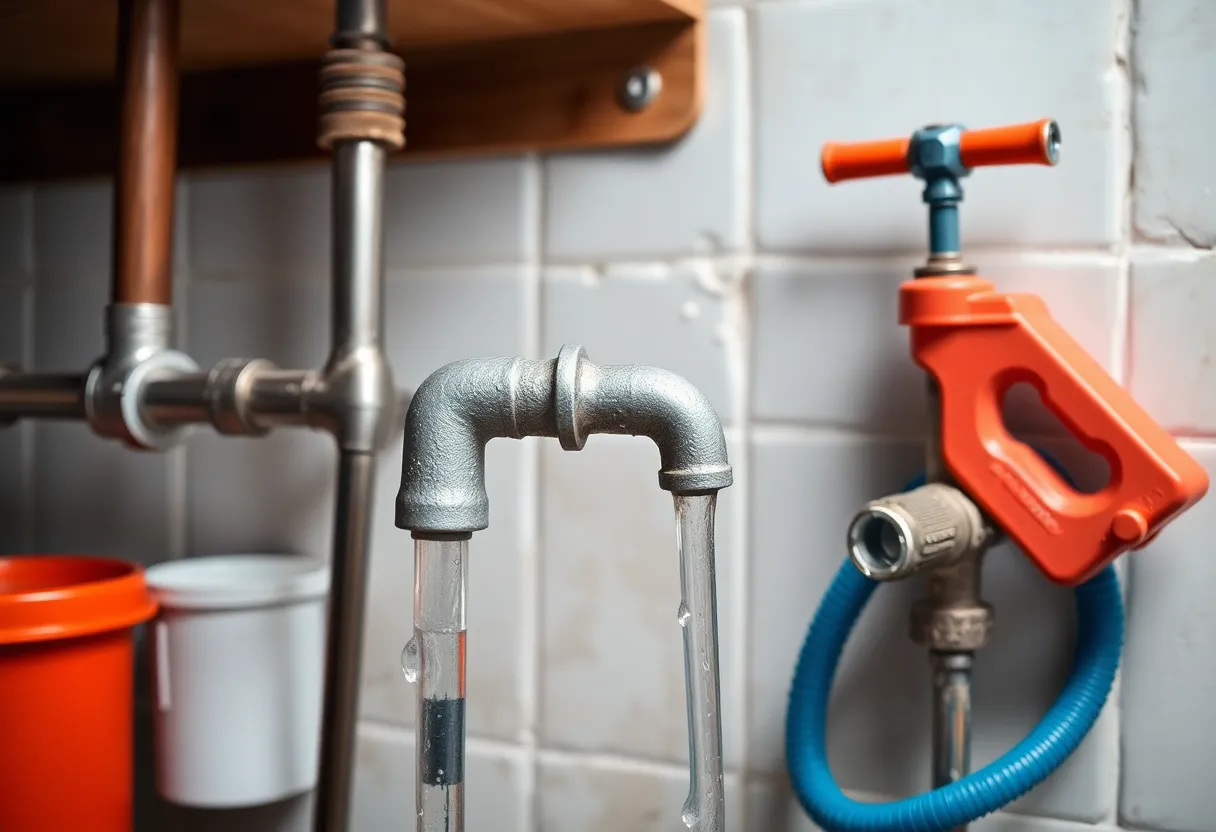
- Leaky faucets: This symptom is often easy to spot and can usually be fixed with a new washer or O-ring.
- Running toilets: Identify the cause of a running toilet, which could be a faulty flapper or a problem with the float mechanism.
- Slow drains: These can often be cleared with a plunger or simple drain cleaner, but persistent issues may require deeper inspection.
Recognizing Emergency Situations
If you encounter a flooding situation or a burst pipe, you must react quickly. Recognize the signs of severe issues and familiarize yourself with emergency procedures, including locating the main water shut-off and contacting a trusted emergency plumber.
Creating a Plumbing Toolkit
Essential Tools to Keep on Hand
To foster a state of readiness for plumbing issues, consider assembling a personal plumbing toolkit. Here are some essential tools to include:
- Plunger: This is crucial for dealing with various stubborn clogs.
- Wrench: A pair of adjustable wrenches will serve numerous applications.
- Pipes and fittings: Stock some basic materials for quick repairs, like rubber washers, seals, and Teflon tape.
Educating Yourself on DIY Repairs
Many small plumbing repairs can be handled without professional help. By watching tutorial videos or reading guides, you can gain confidence and develop problem-solving skills. Remember that knowing when to DIY and when to call in a professional can save both money and stress in the long run.
Water Conservation Techniques
The Importance of Conservation
Being mindful of water use is vital for both the environment and your wallet. There are several ways to practice water conservation:
- Install water-efficient fixtures: Low-flow showerheads, faucets, and dual-flush toilets can drastically reduce water usage.
- Mind your usage habits: Simple changes, like turning off the tap while brushing teeth or taking shorter showers, can conserve significant water over time.
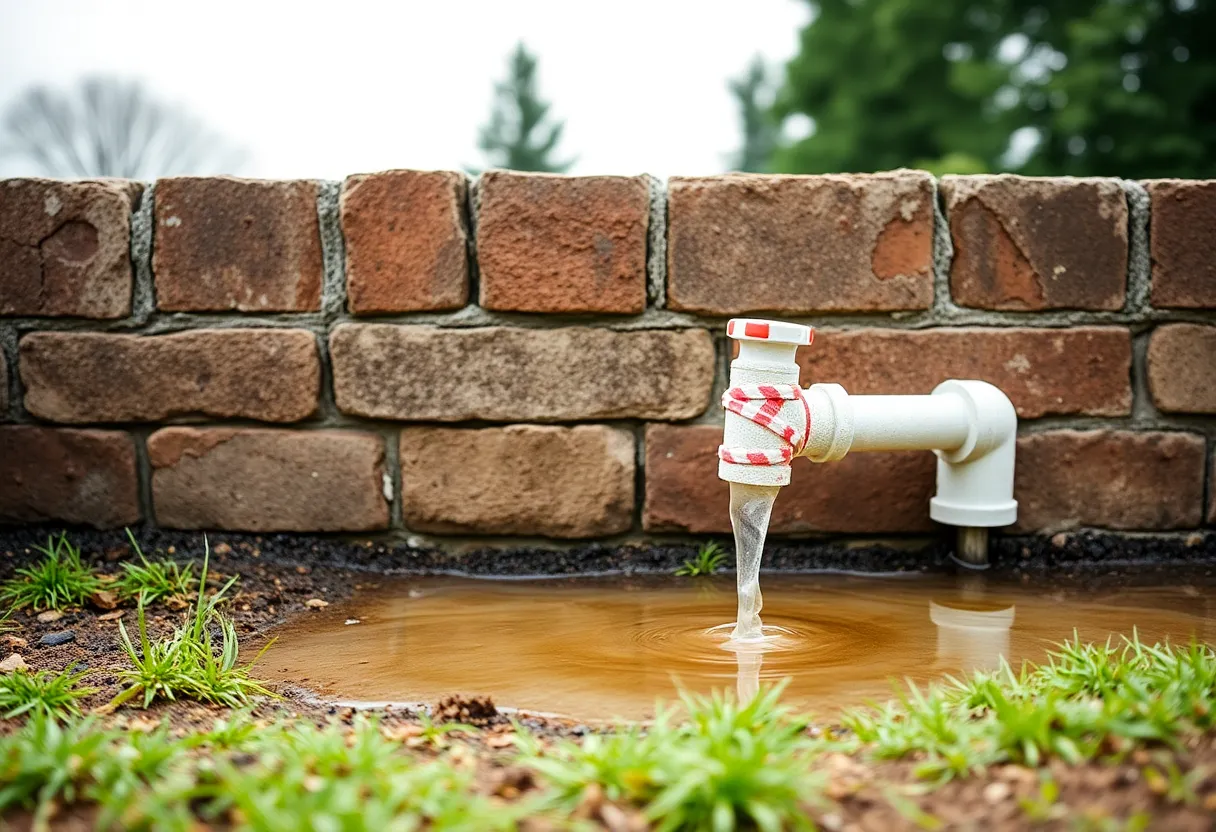
- Fix leaks promptly: Even small drips can waste a lot of water if left unchecked. Address those annoying leaks as soon as you detect them.
Education on Local Water Issues
Become informed about local water conservation regulations and best practices that may be specific to your area. Following guidelines can contribute to broader community efforts in water management and sustainability.
Engaging Professional Services When Needed
Building a Trustworthy Relationship
While DIY skills are essential, knowing when to engage professional services is equally vital. When selecting a plumber, look for the following characteristics:
- License and insurance: Always hire licensed professionals who carry insurance to protect yourself from liability.
- Reviews and references: Seek out referrals or check online reviews to gauge the reliability and quality of a plumber’s work.
- Transparency in pricing: Look for professionals willing to provide clear cost estimates and discuss any potential additional fees upfront.
Routine Maintenance Service Contracts
Establishing a routine maintenance service contract with a reliable plumbing company can minimize stress. These contracts often come with regular inspections, priority service, and discounts on repairs, creating a manageable, predictable aspect of your home maintenance routine.
Conclusion: Embrace Plumbing Mindfulness
By implementing these eight essential strategies for stress-free home water management, you can cultivate a sense of plumbing mindfulness within your household. The key is to stay informed, proactive, and responsive to your plumbing needs. Understand your system, establish a maintenance routine, and engage with professionals when necessary. And most importantly, practice mindfulness in your daily routines and habits. With dedication and care, plumbing can become less of a source of stress and more of a seamless part of your home management journey.