

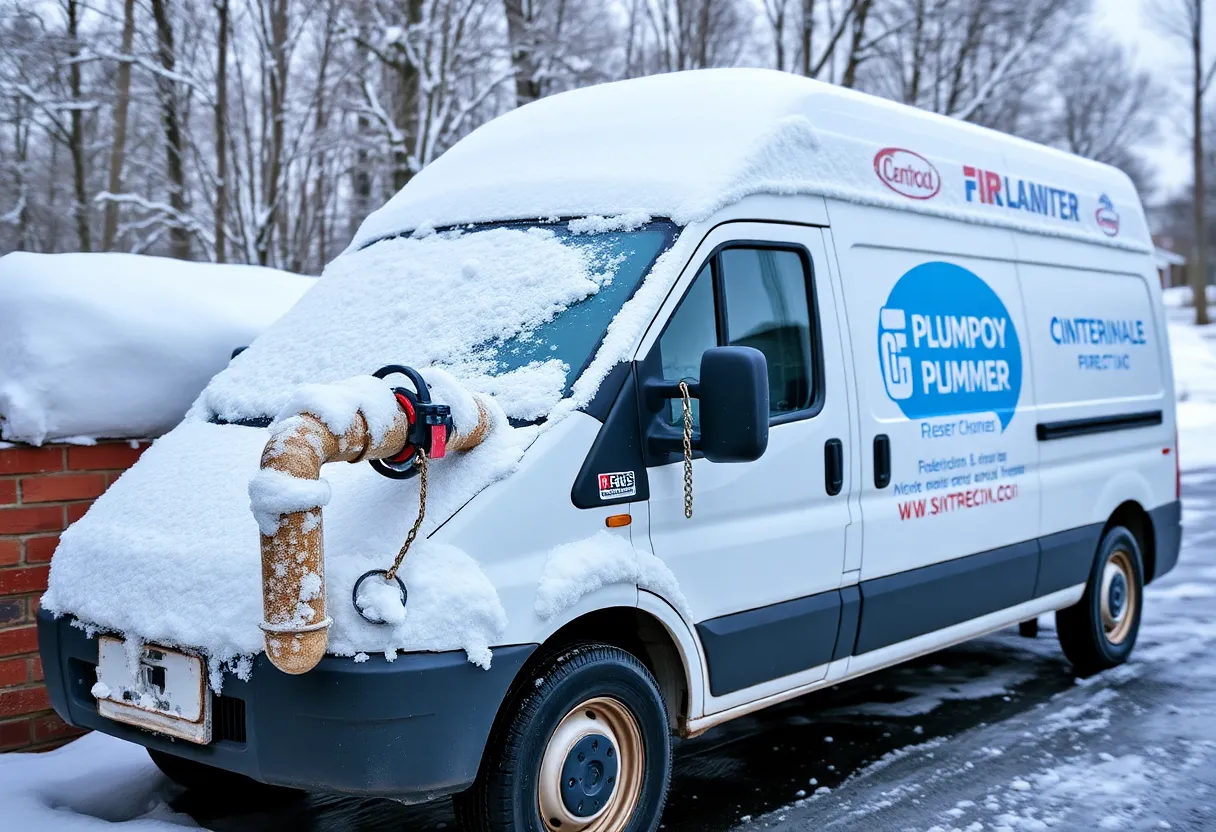
The Seasonal Plumbing Survival Kit: 10 Essential Checks to Prepare Your Home for Colder Months
As the vibrant leaves of fall give way to the stark chill of winter, homeowners must turn their attention to an often-overlooked aspect of seasonal preparation: plumbing. The colder months can wreak havoc on your plumbing system if not properly addressed. A well-structured seasonal plumbing survival kit is essential for ensuring that your home’s plumbing can withstand the freezing temperatures and avoid costly repairs.
Whether you are a seasoned homeowner or new to managing property maintenance, it’s crucial to familiarize yourself with these 10 essential checks. By proactively preparing your plumbing, you can enjoy peace of mind all winter long.
1. Insulate Pipes
Insulating your pipes is one of the most fundamental aspects of winter plumbing preparation. Exposed pipes, particularly those in unregulated spaces such as attics, basements, and garages, are susceptible to freezing. When water freezes in the pipes, it expands and can cause the pipes to burst, leading to severe water damage.
To protect your plumbing, you should:
- Wrap pipes with foam insulation sleeves or heat tape.
- Ensure that your insulation is at least R-3 or higher for maximum protection.
- Seal up any cracks and openings around windows and doors to maintain heat within your home.
2. Drain Outdoor Faucets
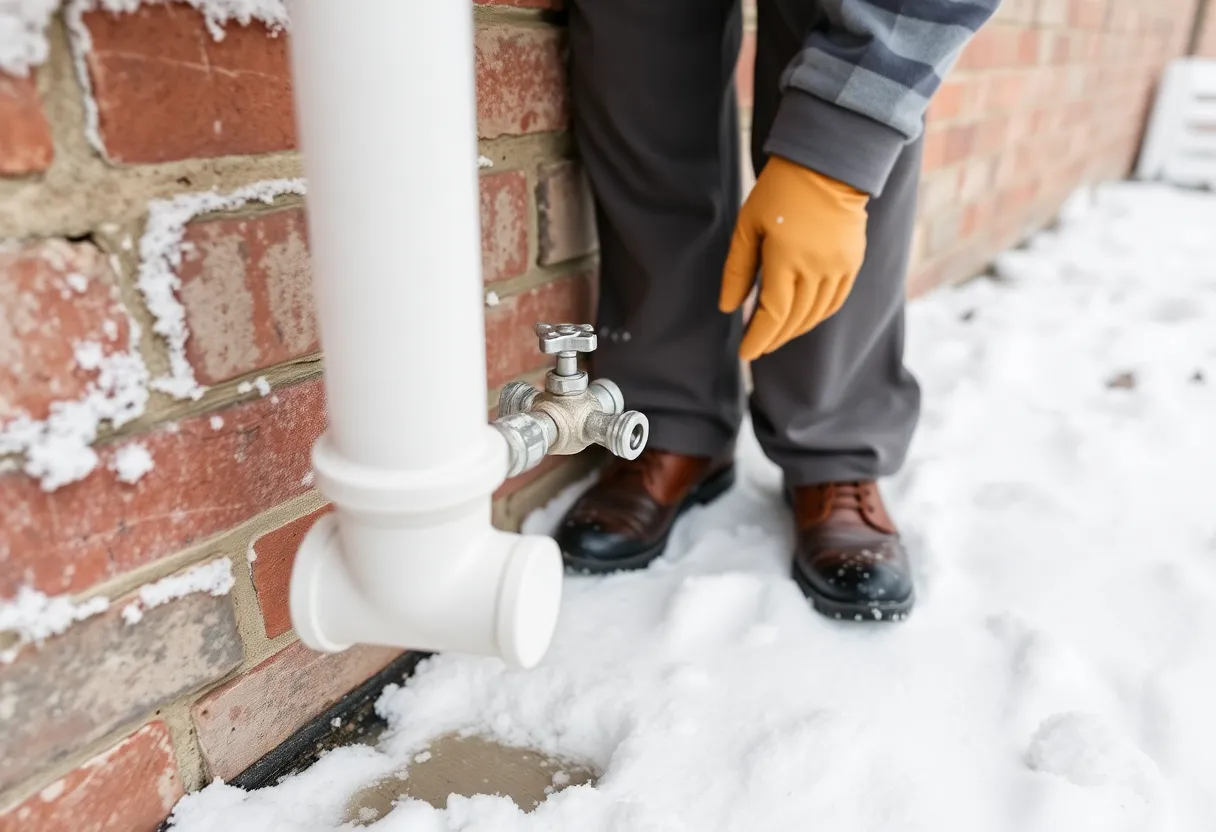
Outdoor faucets are often forgotten during the transition to colder weather. If left with water inside, the pipes leading to these faucets can freeze and burst, causing extensive damage when they thaw. To properly drain your outdoor faucets, take the following steps:
- Shut off the valve supplying water to outdoor faucets.
- Open the outdoor faucet to allow any remaining water to escape.
- Store any attached hoses in a protected area, such as a garage or shed.
3. Check Water Heater
Your water heater works hard during winter months, so it’s essential to ensure it’s operating properly before the cold weather sets in. Conducting a pre-winter inspection of your water heater involves:
- Flushing the water heater to remove sediment build-up, which can lead to reduced efficiency.
- Checking the anode rod for corrosion; replacing it if necessary to prolong the lifespan of your water heater.
- Ensuring that the temperature is set to around 120°F to prevent scalding and energy wastage.
4. Inspect and Clean Gutters
While gutters may seem unrelated to plumbing, they play a critical role in directing water away from your home’s foundation. Clogged gutters can lead to ice dams, which can cause serious damage to your roof and therefore impact your plumbing system. Specific actions to take include:
- Removing leaves and debris from gutters and downspouts.
- Checking for signs of damage or corrosion and making necessary repairs.
- Ensuring that downspouts extend at least three feet away from your home.
5. Test Sump Pump
If your home is equipped with a sump pump, it’s vital to test it before winter arrives. A failing sump pump can lead to flooding and potential water damage. Your checklist for sump pump preparation includes:
- Pouring a bucket of water into the sump pit to ensure the pump activates and drains properly.
- Checking the power source and ensuring it’s functioning correctly.
- Cleaning any debris from the pump and surrounding area.
6. Seal Windows and Doors
Another element that can significantly affect your plumbing system during colder months is the drafts that come from poorly sealed windows and doors. Cold air can affect the temperature of your pipes, increasing the likelihood of freezing. To seal your home effectively:
- Inspect weather stripping around windows and doors for wear and replace it if necessary.
- Utilize caulking to fill any gaps or cracks in frames or siding.
- Utilize insulating film for additional protection against drafts.
7. Check and Insulate the Attic
The attic is one of the areas in your home that can significantly impact your plumbing system. Insufficient insulation can lead to fluctuating temperatures and frozen pipes. When preparing your attic for winter, consider:
- Examining the insulation levels—aim for at least 10-14 inches of insulation throughout your attic.
- Sealing any vents or gaps that may allow cold air in.
- Increasing attic ventilation to prevent humidity buildup, which can lead to condensation and water damage.
8. Review Sewer Lines
As temperatures drop, frozen sewer lines become a common issue for many homeowners. Regular inspection and maintenance can help prevent this disaster. To review your sewer line, you should:
- Consider professional plumbing maintenance to check for clogs or blockages.
- Avoid pouring grease or food waste down your kitchen sink, as these can solidify and lead to blockages.
- Keep the sewer line clear of leaves and debris, especially during the fall months.
9. Schedule a Professional Plumbing Inspection
Engaging a professional plumber to conduct a thorough inspection of your entire plumbing system is recommended, especially as winter approaches. An expert can identify potential issues that may go unnoticed by the untrained eye. Some key areas they may focus on include:
- Checking for leaks in pipes, faucets, and other connections.
- Inspecting water pressure levels to avoid stress on your plumbing system.
- Assessing the condition of valves and fittings.
10. Maintain an Emergency Kit
Lastly, as a precaution, prepare an emergency plumbing kit for the winter months. This kit should contain essential items that can help you address minor plumbing issues before a professional arrives. Your plumbing emergency kit should include:
- Plumber’s tape
- Pipe wrenches
- Kitchen and bathroom plungers
- A bucket for spills
- Visible instructions on how to shut off the water supply in an emergency
In conclusion, preparing your home’s plumbing system for the colder months protects your property and saves you money. By following these 10 essential checks, you can ensure that your plumbing is ready to face the winter chill.
Remember, while maintenance is key, don’t hesitate to call a professional to address any concerns or to perform more complex tasks. Proper care now can prevent significant issues later, ensuring that you stay warm and dry throughout the winter.