

The Plumbing Dilemma: 10 Hidden Signs Your Pipes Are Sabotaging Your Home’s Efficiency
Home maintenance encompasses a wide array of tasks, and plumbing often tends to slip into the background, frequently overlooked until significant problems arise. However, as homeowners and tenants alike know, a _faulty plumbing system_ can severely compromise a home’s efficiency, leading to increased utility bills, uncomfortable living conditions, and even substantial renovation expenses. Understanding the warning signs of plumbing issues can save you time, money, and grief in the long run. Here, we delve into 10 hidden signs your pipes are sabotaging your home’s efficiency.
1. Fluctuating Water Pressure
If you notice a sudden drop in water pressure while using taps or showerheads, it may indicate an underlying problem. Healthy pipes should provide steady pressure; fluctuations could be due to obstructions or leaks within the pipes. Sometimes, these issues are due to mineral build-up from hard water, which can constrict water flow and make your plumbing system inefficient.
How to Check for Water Pressure Issues
Try turning on multiple faucets at the same time. If several have a significant dip in pressure, it may confirm there’s an issue somewhere in the plumbing network. Addressing the underlying problem can drastically improve your home’s overall plumbing efficiency.
2. Water Stains on Walls or Ceilings
Water stains on walls or ceilings are major red flags. These stains usually indicate leaking pipes hidden behind walls or above your ceiling. The leaks can create a warm, moist environment conducive to mold growth and can lead to structural damage if not addressed quickly.
Uncovering Hidden Leaks
Inspect areas around bathrooms, kitchens, and basements for water stains. If you find them, a professional plumber should assess the damage to identify leaks and repair them immediately to avoid any further complications.
3. A Sudden Spike in Water Bills
While an increase in water bills can occur for various reasons, a dramatic spike often points toward hidden leaks or inefficient plumbing systems. If you haven’t increased your water usage yet notice a jump in costs, it might be wise to investigate further.
Tracking Down Water Usage
Check for leaks by monitoring your water meter. Ensure all faucets are turned off and note the meter’s reading. After a few hours, check the reading again. If it has changed, you likely have a leak somewhere in your pipes.
4. Unpleasant Odors
If your home is plagued by unexplained unpleasant odors, it may not just be food-related. Foul smells can emanate from broken or overflowing sewer lines due to failing seals or clogged pipes. _Sewer gas_ can leak into your home and pose health risks, making it crucial to act swiftly.
What to Do When You Smell Weird Odors
If you detect unusual smells, particularly near drains, it’s best to consult with a plumbing specialist to find the source and eliminate the problem efficiently.
5. Slow Drains
Consistent slow drainage in sinks, showers, or bathtubs can be frustrating and indicates that your plumbing system is not functioning efficiently. Slow drains often result from clogs or pipe damage, leading to standing water in homes.
Identifying the Problem
Using a combination of a plunger and a drain snake can help dislodge minor clogs, but if the issue persists, calling a professional is the best course of action to clean and inspect your plumbing system.
6. Changes in Water Color or Cloudiness
Water that appears discolored or cloudy can be alarming and may indicate pipe deterioration or issues with the plumbing system. _Rust_ from aged pipes can lead to brown water, while cloudy water can indicate air trapped in the pipes or even contamination.
What Do Brown or Cloudy Waters Mean?
Schedule water testing if you notice persistent discoloration or cloudiness to ensure the safety of your drinking water. Upgrading stages of your plumbing system may also be necessary if rust is affecting your water quality.
7. Gurgling Noises
If you hear gurgling noises when you run water, you could be facing blockages in your drainage system. These sounds often indicate that air is trapped in the plumbing, leading to inefficient drainage.
Resolving Gurgling Issues
Addressing this typically involves checking out potential blockages in your drainage lines. It may require the expertise of a plumber who can use specialized tools to clear the issue efficiently.
8. Frequent Clogs
No one enjoys dealing with regular clogs in their plumbing system. If you find yourself constantly reaching for a plunger, it might indicate a broader plumbing issue that needs attention.
Preventing Frequent Clogs
Evaluate what’s causing these clogs to occur—hair, grease, food waste, or foreign objects. Regular maintenance and being mindful of what you’re putting down the drains can significantly improve your plumbing efficiency.
9. Visible Cracks or Damage
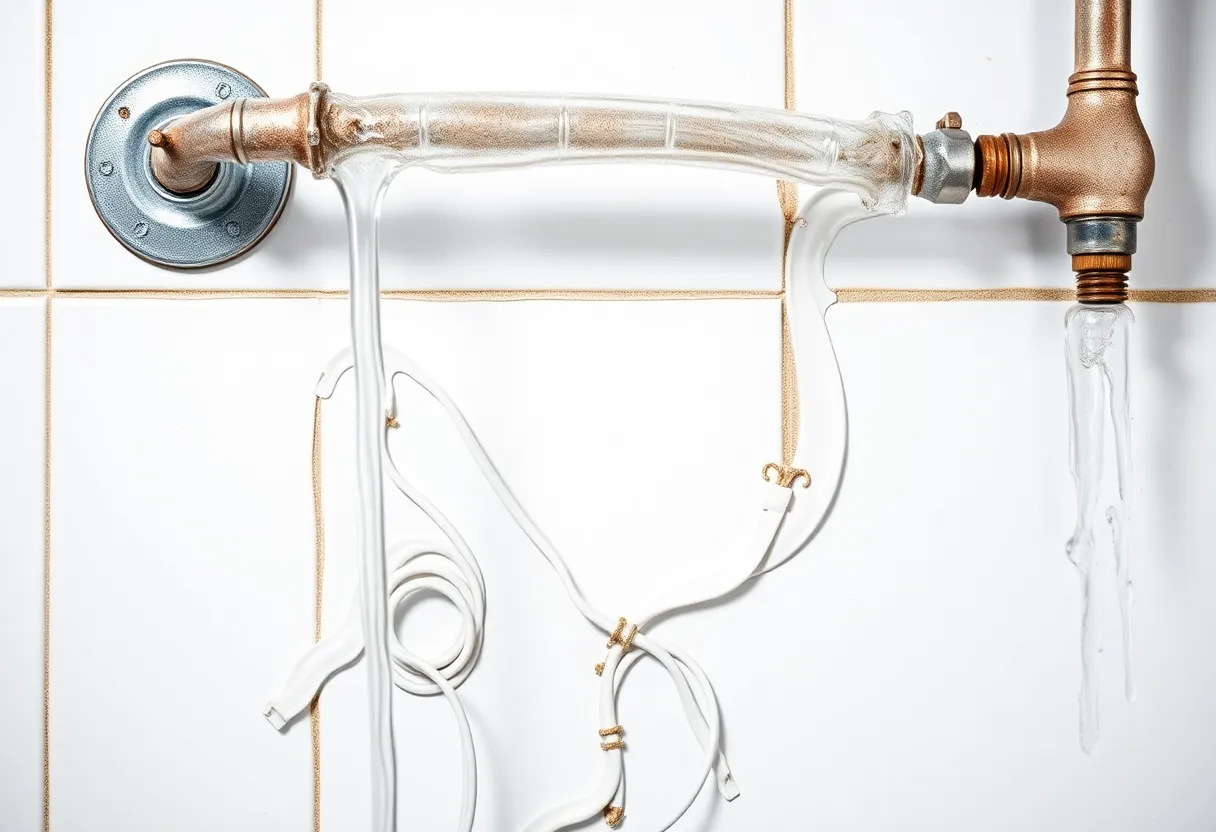
Sometimes the problem isn’t hidden within the pipes. If you’ve got visible cracks or signs of wear on exposed pipes, your plumbing system is at risk of further damage. Over time, these flaws can lead to leaks that compromise the efficiency of the entire system.
Assessing Pipe Damage
Regularly inspect exposed pipes, particularly in basements and under sinks, for signs of wear or damage. Any concerns you find should encourage you to seek professional assistance to avoid potential future issues.
10. Excessive Condensation
If you notice a lot of condensation on pipes, especially during the warmer months, this could indicate issues with humidity or insulation. Poorly insulated pipes can lead to higher energy costs and reduced water temperature efficiency.
Improving Pipe Insulation
Using foam insulating sleeves or wraps can help reduce condensation and boost overall efficiency. In locations where temperatures fluctuate, providing adequate insulation for pipes becomes even more vital.
The Importance of Regular Plumbing Maintenance
Recognizing the signs your plumbing might be compromised is key to maintaining your home’s efficiency. Regular checks can prevent minor issues from developing into costly repairs. Arrange for _periodic inspections and maintenance_ to promote longevity and efficiency in your plumbing system.
Conclusion
Paying attention to the _10 hidden signs_ discussed can significantly enhance your home’s efficiency and comfort. By acting promptly and consulting with professionals as needed, you can keep your plumbing system running smoothly, ensuring your home remains a safe, efficient haven.