

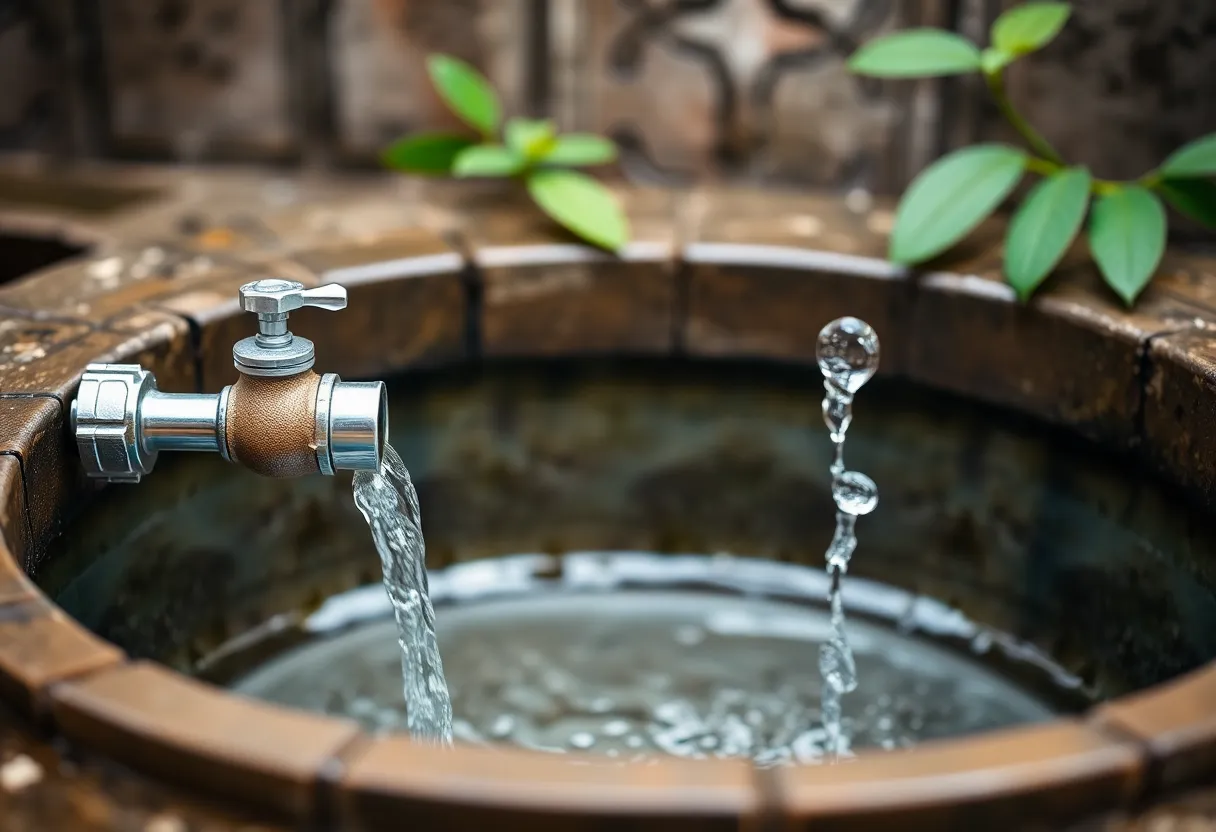
The Plumbing Pattern: 10 Essential Seasonal Tips to Enhance Your Home’s Water Efficiency
As a homeowner, understanding the intricacies of your plumbing system is crucial. Enhancing your home’s water efficiency isn’t just about saving money on your water bill; it also means playing a part in preserving our scarce water resources. With seasonal changes come varying challenges and opportunities for maintaining your plumbing. Here’s a comprehensive guide to ten essential seasonal tips to enhance your home’s water efficiency.
1. Winter Preparations: Insulate Your Pipes
In winter, the cold weather can cause your pipes to freeze, leading to significant plumbing issues. To avoid the high costs associated with burst pipes, consider the following:
- Insulate vulnerable pipes in unheated areas, such as basements, attics, and garages, using foam pipe insulation.
- Let faucets drip slightly during extreme cold to keep water moving and reduce freeze risk.
Taking these preventive measures can save you from unexpected expenses and ensure your water remains flowing freely.
2. Spring Cleaning: Check for Leaks
As temperatures warm up, spring is the perfect time to inspect your home for leaks. A small leak can waste a substantial amount of water over time.
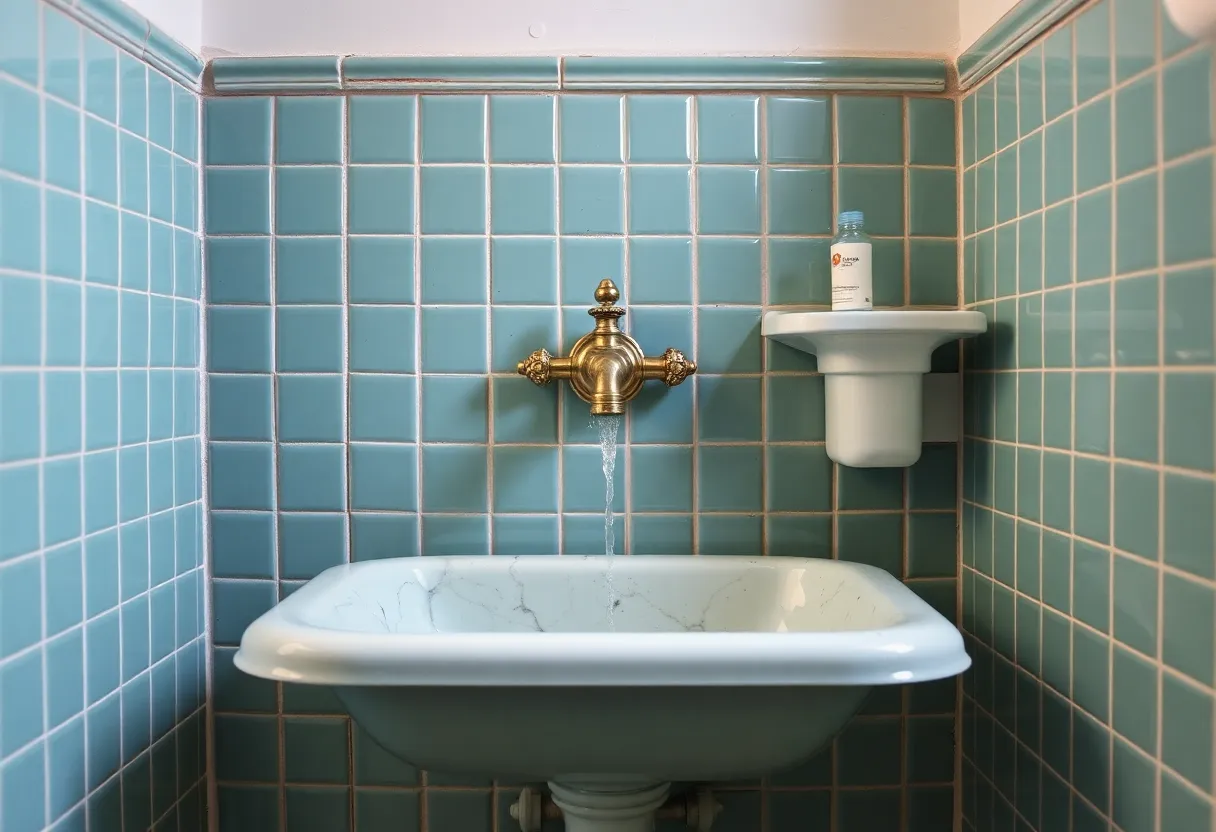
- Check all faucets and showerheads for dripping.
- Inspect toilets for silent leaks by adding a few drops of food coloring to the tank; if it seeps into the bowl, you have a leak.
- Examine your irrigation system and outdoor faucets for any potential issues.
Catching a leak early is key to both conserving water and avoiding costly repairs later on. Remember, a leaky faucet can waste more than 3,000 gallons of water per year!
3. Summer Sprinkling: Optimize Your Irrigation System
During the hot summer months, keeping your plants hydrated without wasting water is essential. Optimize your irrigation system with these tips:
- Water your garden during the early morning or late evening to minimize evaporation.
- Consider a drip irrigation system for beds and potted plants to water directly at the roots.
- Use a rain gauge or smart irrigation controller to adjust watering schedules based on weather conditions.
These strategies not only enhance water efficiency but also encourage healthier plant growth.
4. Fall Maintenance: Flush Your Water Heater
As summer fades and autumn approaches, it’s time to think about your home’s water heater. Regular maintenance, such as flushing the water heater, can improve efficiency:
- Flush the tank to remove sediment buildup, which can hinder efficiency and decrease the lifespan of your unit.
- Check the temperature setting; the ideal temperature for water heaters is around 120 degrees Fahrenheit to reduce energy costs.
Proper maintenance not only ensures efficient operation but also extends the life of your heater, ultimately saving you money over time.
5. Year-Round Tip: Install Low-Flow Fixtures
Investing in low-flow faucets, showerheads, and toilets throughout your home can significantly reduce your water consumption. Here’s how:
- Low-flow showerheads can save up to 2.5 gallons per minute compared to standard models.
- Install dual-flush toilets that offer two flush options for liquid and solid waste.
Making these changes not only conserves water but also decreases your water bill, leaving more money in your pocket.
6. Detecting Hidden Water Wastage
Throughout the year, your plumbing may leak in places that are not immediately visible. To detect hidden water wastage, consider the following:
- Monitor your water meter for unusual changes when not using water.
- Check your foundation for moisture or water pooling, which could indicate pipe leaks.
Being proactive about leak detection helps preserve both water and your finances, ensuring no unexpected surprises arise.
7. Mindful Landscaping: Choose Native Plants
When planning your garden, consider using native plants that require less water:
- Native plants are adapted to your local climate and typically require less irrigation.
- This practice not only saves water but also supports local wildlife and creates a sustainable environment.
By putting thought into your landscaping choices, you can enjoy a beautiful garden while minimizing water usage.
8. Rainwater Harvesting: Collect and Reuse Water
Implementing a rainwater harvesting system is an effective way to utilize nature’s resources:
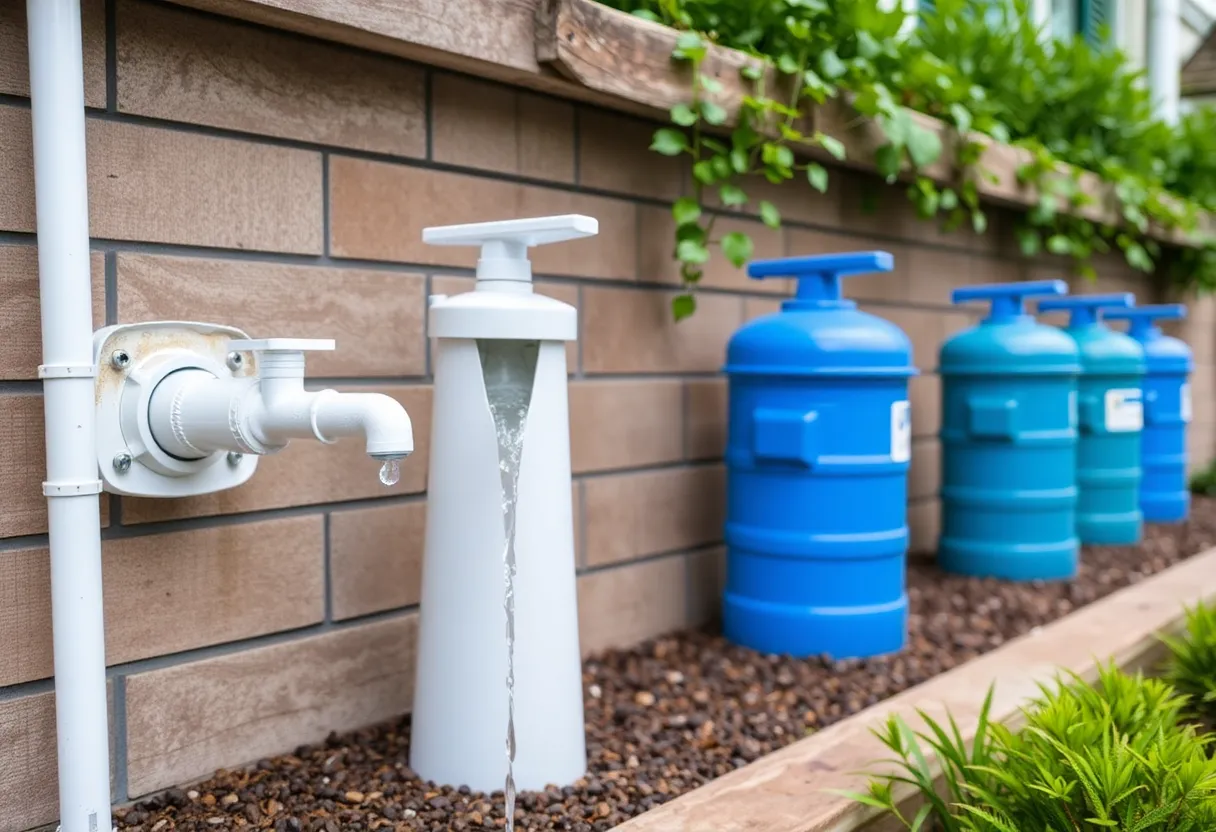
- Install rain barrels to collect runoff from your roof, which can then be used for irrigation during drier months.
- Ensure barrels have proper coverings to prevent mosquito breeding.
This sustainable practice helps you save money on water for outdoor use while promoting environmental responsibility.
9. Regular Plumbing Inspections: Make It Routine
Scheduling regular plumbing inspections can help identify potential issues before they become more significant problems:
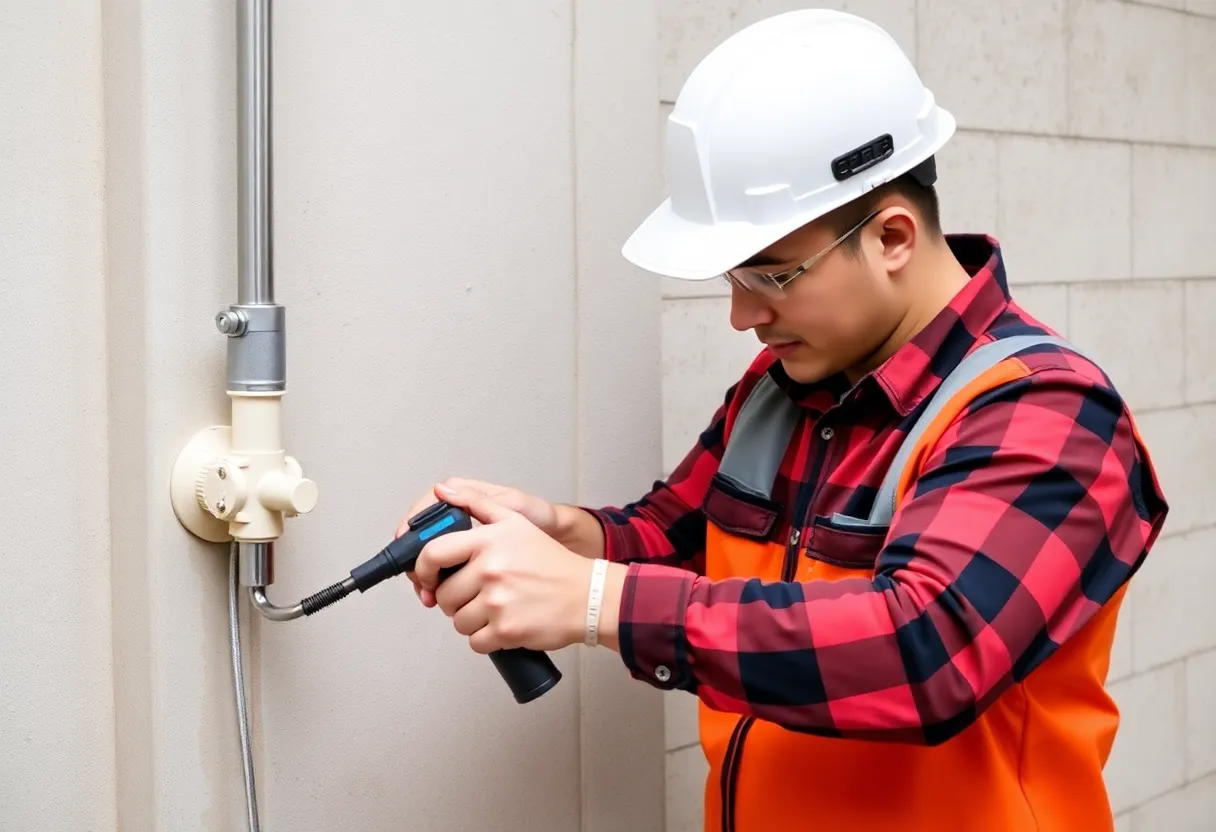
- Work with a professional to identify areas needing attention, such as aging pipes or improper installations.
- Implementing routine inspections saves money by catching problems early and maintaining efficiency.
It’s a small investment that offers significant returns in water conservation and the health of your plumbing system.
10. Smart Home Technology: Embrace Advancements
Investing in smart home technology can enhance your water efficiency:
- Smart water meters provide real-time monitoring of your water usage, helping you identify leaks and monitor consumption.
- Leak detection sensors alert you to leaking pipes, allowing you to act before significant damage occurs.
Embracing these technological solutions can simplify management and significantly improve your home’s water efficiency.
Conclusion
Enhancing your home’s water efficiency requires ongoing attention and planning. By implementing these 10 essential seasonal tips, you can better manage your water usage, safeguard your plumbing, and contribute to the preservation of our most precious resource. Make it a priority to consider these measures throughout the year, taking action each season to ensure your plumbing system is operating at its best while remaining environmentally responsible.
FAQs
1. Why is it important to insulate pipes during winter?
In winter, the cold weather can cause your pipes to freeze, leading to significant plumbing issues. Insulating pipes helps prevent freezing and avoids costly repairs.
2. How can I check for leaks in my home?
Check all faucets, showerheads, and toilets for dripping and add food coloring to your toilet tank to detect silent leaks. Inspect your irrigation system and outdoor faucets as well.
3. What is the ideal temperature setting for a water heater?
The ideal temperature for water heaters is around 120 degrees Fahrenheit to reduce energy costs while maintaining efficiency.
4. What is the benefit of installing low-flow fixtures?
Low-flow fixtures can significantly reduce your water consumption, helping you save money on your water bill while conserving water resources.
5. How can I utilize rainwater in my home?
Install rain barrels to collect runoff from your roof and use it for irrigation during drier months, promoting sustainability and saving on water costs.