


The Plumbing Spotlight: 10 Surprising Water Efficiency Trends to Watch in 2025
As environmental concerns rise and water scarcity becomes a more pressing issue globally, the plumbing industry is witnessing a transformative shift towards greater _water efficiency_. Innovations in technology and changes in consumer behavior are creating an exciting landscape for water conservation. As we look ahead to 2025, here are ten surprising trends in water efficiency that are poised to shape the plumbing industry.
1. Advanced Metering Technology
Within the next few years, expect to see significant advancements in _metering technology_ that provide real-time data on water usage. Smart meters will become a standard feature in homes and businesses, allowing property owners to monitor their water consumption with unprecedented detail.
Benefits of Smart Meters
Smart meters not only provide accurate data for billing purposes but also alert homeowners to leaks and irregularities in water use. By identifying issues before they lead to significant damage, these devices can help save money and conserve water.
2. Greywater Recycling Systems
The concept of _greywater recycling_ is gaining traction, especially in urban settings where water demand continues to grow. Greywater, which is wastewater from sinks, showers, and washing machines, can be treated and reused for irrigation and toilet flushing.
Building Codes Favoring Greywater Systems
Numerous jurisdictions are beginning to implement building codes that encourage or even mandate the installation of greywater systems in new constructions. As these systems become more widespread, we can expect to see an increase in water savings across regions.
3. Low-Flow Fixtures
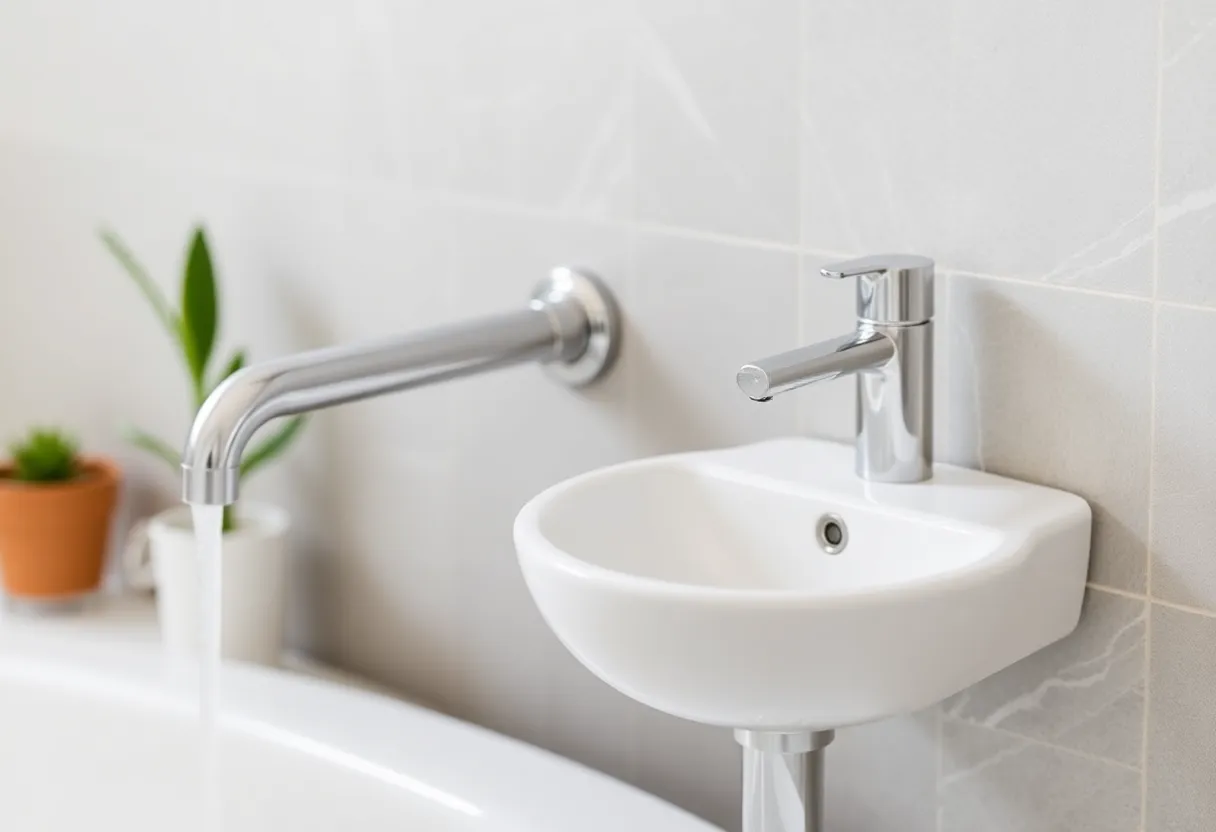
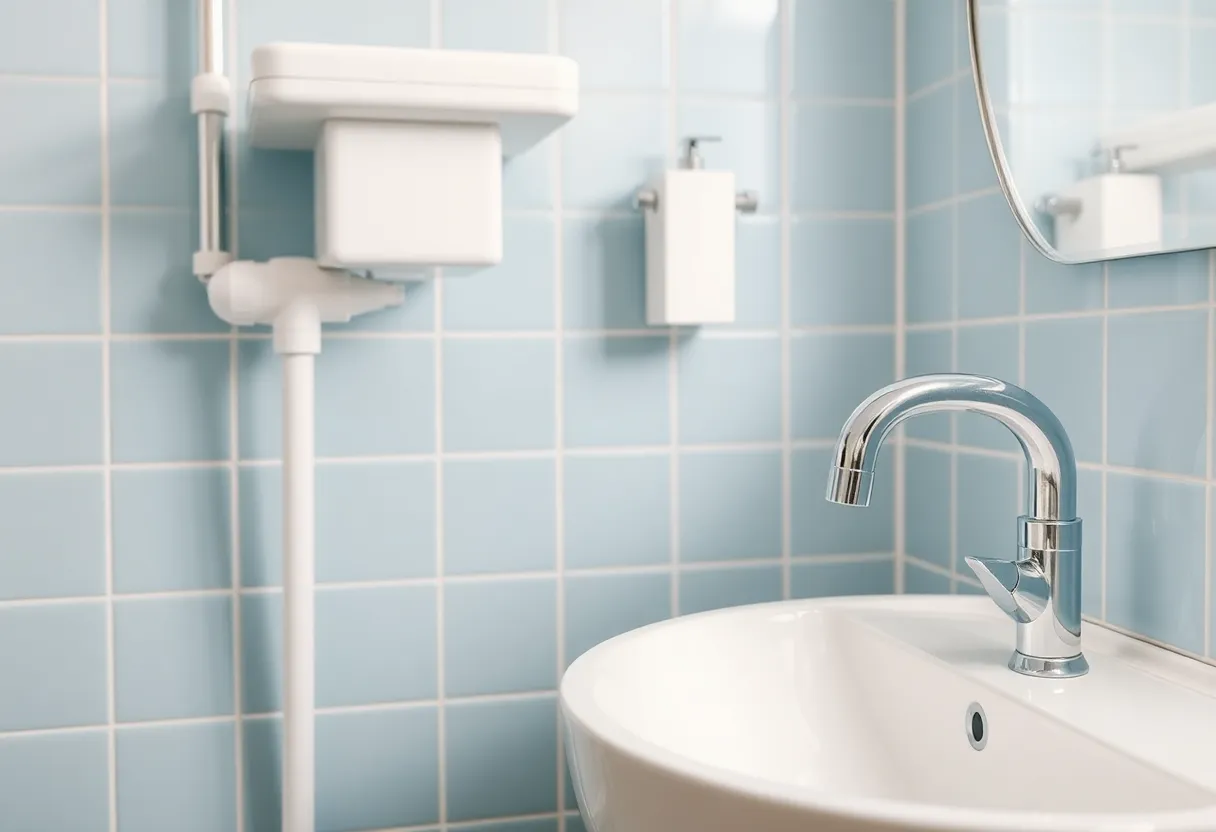
Low-flow plumbing fixtures have been around for some time, but the development of _next-generation designs_ means they are more efficient and aesthetically pleasing than ever. Expect stylish faucets, showerheads, and toilets that utilize significantly less water without sacrificing performance.
Consumer Trends and Preferences
With a growing awareness of environmental issues, consumers are increasingly choosing sustainable products. The demand for low-flow fixtures will inspire manufacturers to innovate, leading to continued improvements in efficiency.
4. Water-Efficient Landscaping
The movement towards _xeriscaping_, or water-efficient landscaping, is taking hold in residential and commercial property design. This approach emphasizes the use of drought-resistant plants and efficient irrigation techniques, reducing overall water usage dramatically.
Integrating Technology into Landscaping
Future trends will likely see a greater integration of smart irrigation technology, such as soil moisture sensors and programmable timers, to maximize water efficiency in landscaping while maintaining aesthetic appeal.
5. Innovative Toilet Technology
The toilet of the future is set to become even more efficient, with innovations such as _dual-flush systems_ and composting toilets gaining popularity. These systems not only reduce water usage but may also convert waste into reusable resources.
The Role of Regulatory Changes
As local governments tighten regulations around water usage, new toilet technologies may become mandatory. The shift towards ultra-low-flush systems could redefine how we think about this essential plumbing fixture.
6. Water Conservation Awareness in Education
Educational initiatives around water conservation are becoming more prominent, with schools and community organizations championing _sustainability programs_. By educating the public, especially younger generations, about efficient water use, we can foster long-term conservation habits.
The Impact of Policy and Legislation
Legislation encouraging educational programs on water efficiency can spark changes at a community level. As awareness grows, changes in consumer behaviors will follow, leading to significant savings on a larger scale.
7. Use of Reclaimed Water
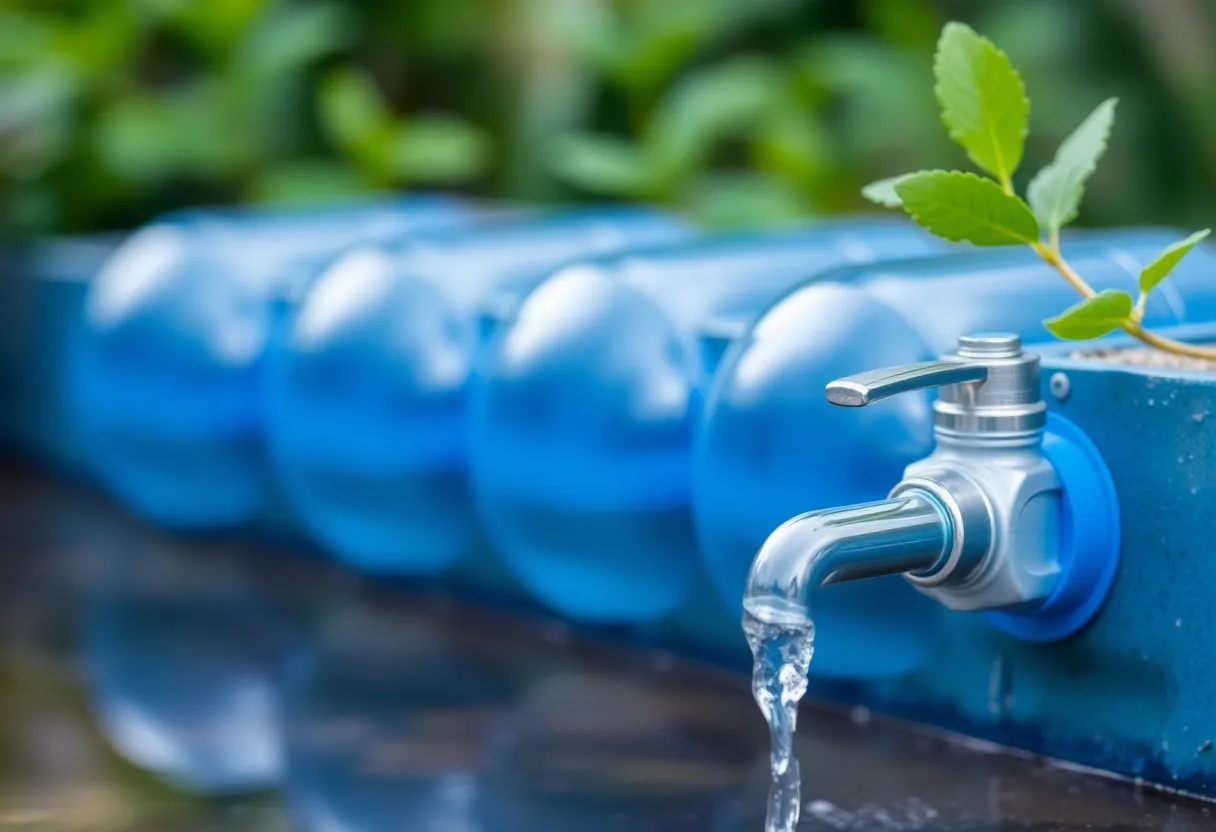
Reclaimed water, treated wastewater that can be safely reused for non-potable applications, is expected to see a surge in adoption. _This practice_ helps in conserving potable water resources and is gaining traction in many regions.
Public Acceptance and Infrastructure Improvements
As public perception toward reclaimed water becomes more favorable, cities will need to invest in infrastructure to support its distribution effectively. Expect to see more projects focused on integrating reclaimed water capabilities into existing systems.
8. Integration of IoT in Plumbing Systems
The _Internet of Things (IoT)_ is revolutionizing not only how consumers interact with technology but also how plumbing systems function. Smart plumbing devices can communicate with users, providing alerts regarding potential issues or performance metrics.
Future Implications for Plumbing Maintenance
This technology can potentially change how plumbers diagnose issues and perform maintenance, leading to quicker resolutions and more efficient systems. As IoT technology advances, plumbing will continue to evolve as a smart and responsive infrastructure.
9. Sustainable Plumbing Materials
The materials used in plumbing systems are also changing; manufacturers are increasingly using _sustainable and recycled materials_ in pipes and fixtures. This trend not only conserves water but also reduces waste in landfills.
The Role of Standards and Certifications
As the industry moves towards sustainability, the development of new standards and certifications for eco-friendly plumbing materials will help consumers make informed choices. Increased transparency regarding the environmental impact of plumbing products will be essential.
10. Smart Water Management Strategies
Finally, we can expect to see a shift towards more _comprehensive water management solutions_ that track and respond to water usage data across an entire community or city. This integrated approach will provide insights that can lead to smarter decisions regarding water distribution and conservation efforts.
Collaborative Efforts for Water Efficiency
As cities realize the potential cost savings and environmental benefits of smart water management, collaborative strategies among municipalities, businesses, and residents will emerge. By working together, communities can achieve significant water efficiency goals.
Conclusion
The trends outlined above highlight the plumbing industry’s evolution towards greater _water efficiency_ in the coming years. As technological advancements, consumer preferences, and regulatory changes coalesce, the future looks promising for sustainable plumbing practices. Both individual homeowners and larger communities will have a pivotal role in this transition as they embrace new technologies and habits that promote responsible water use.
By following these trends, we can all contribute to a more sustainable future, one drop at a time.