


Plumbing Emergency 101: 10 Must-Know Hacks for Quick Fixes Before the Pros Arrive
We’ve all been there—standing in a puddle of water as we watch our home turn into a mini swimming pool thanks to a plumbing emergency. Whether it’s a burst pipe, overflowing toilet, or a malfunctioning water heater, plumbing emergencies can strike at the most inconvenient times. The good news is that you don’t always have to wait for the professionals to arrive. In many cases, a little DIY ingenuity can go a long way in mitigating damage and buying you time. Here are 10 must-know hacks for quick fixes that you can employ before the pros get there.
1. Turn Off the Water Supply
This might sound obvious, but it’s the first and most critical step in any plumbing emergency. Locate your home’s main water shutoff valve and turn it off immediately. This action will help prevent further flooding and give you a chance to assess the situation without the constant rush of water complicating matters.
Where to Find the Shutoff Valve
The main shutoff valve is often located:
- In the basement near the foundation wall
- In a crawl space
- On an exterior wall near the ground
- Under the kitchen sink or in the garage
2. Know Your Specialized Shutoff Valves
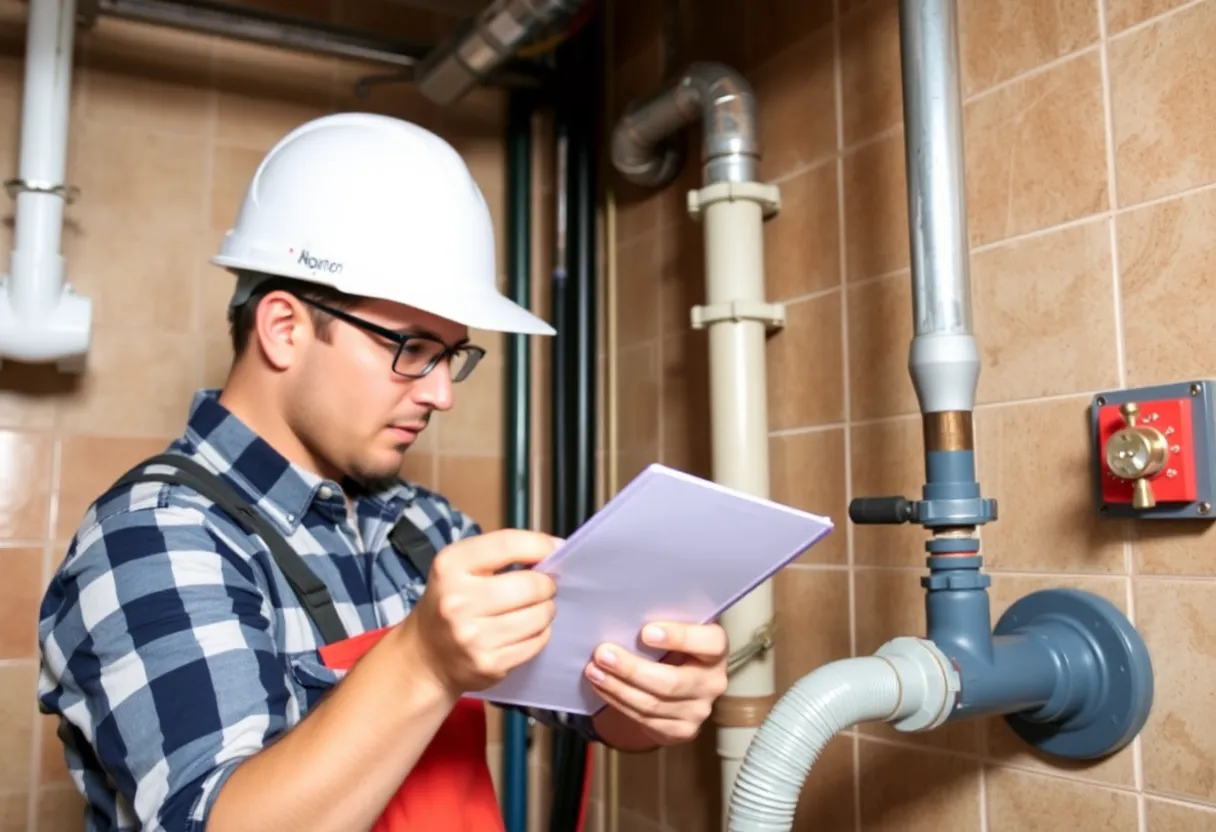
If the issue is localized, such as a leaky sink or toilet, familiarize yourself with the individual shutoff valves for those appliances. These valves are generally smaller and can be turned off to isolate the specific issue without cutting off water to the rest of the house.
Tips for Working with Shutoff Valves
When working with these valves, make sure to:
- Turn the valve clockwise to shut off
- Check to see if the water flow has stopped
- Use pliers if the valve is stuck, but be gentle to avoid damage
3. Stop Toilet Overflows
Toilet overflows can cause chaos in your bathroom in minutes. If your toilet starts to overflow, don’t panic! The first thing to do is to lift the tank lid and push down the flapper to stop the water from flowing into the bowl.
Other Immediate Steps to Control Overflows
In addition to stopping the flapper:
- Find the shutoff valve behind the toilet and turn it off.
- Keep a bucket or towel handy to soak up any spilled water.
4. Use a Plumber’s Snake
A clogged drain can be a hassle, but a plumber’s snake can save you from needing to call a professional. This tool is designed to dislodge clogs further down your pipes—beyond what a typical plunger can reach.
How to Use a Plumber’s Snake
- Insert the snake into the drain until you feel resistance.
- Rotate the handle to break up the clog.
- Slowly pull the snake out while continuing to turn the handle.
- Run hot water down the pipe to help clear debris.
5. Create a Homemade Drain Cleaner
If you don’t have a plumber’s snake on hand, you can make a simple and effective drain cleaner with ingredients you likely already have on hand.
Quick DIY Drain Cleaner Recipe
Mix equal parts of baking soda and white vinegar (about a half cup of each), pour it down the drain, and let it sit for 30 minutes. Afterward, chase it with hot water. This combination will help break down clogs, especially those caused by grease.
6. Use Duct Tape for Leaks
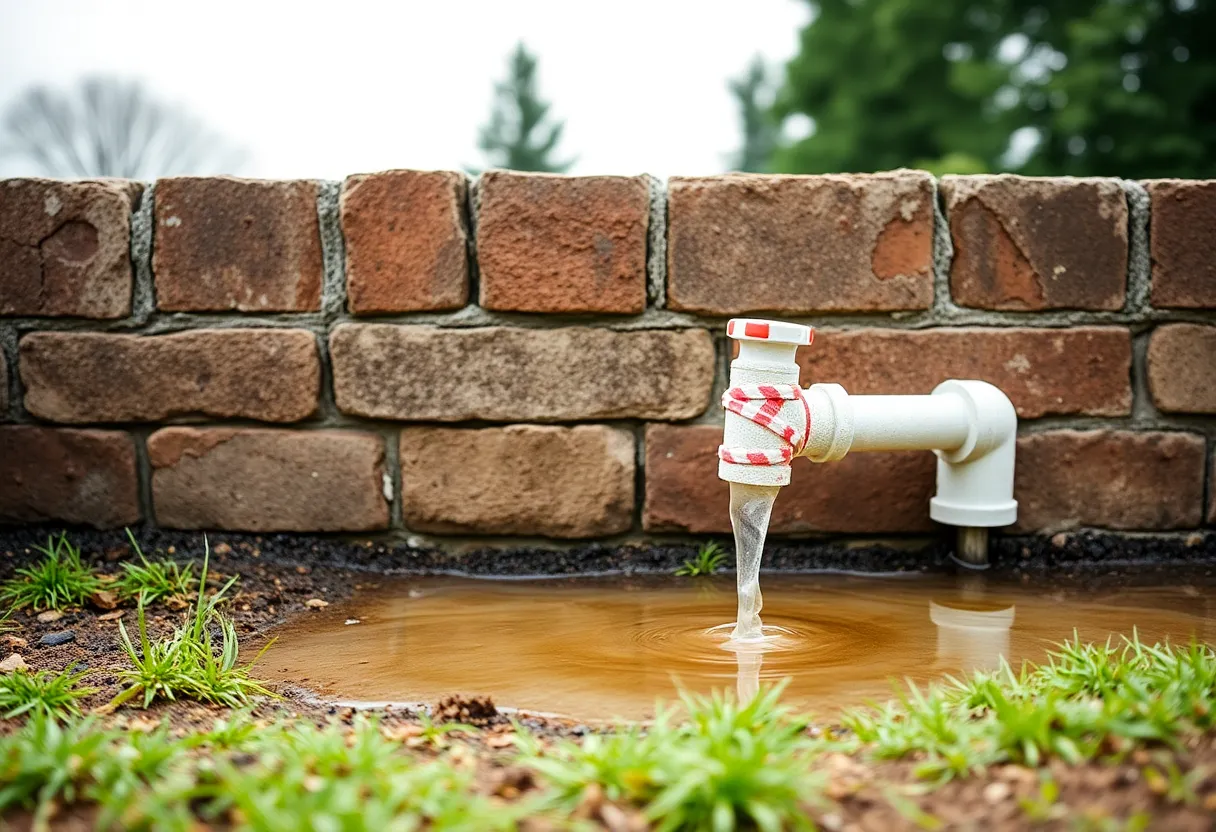
Sometimes, a leak can be temporarily sealed using duct tape. While this is not a permanent solution, it can buy you time until a professional arrives.
How to Apply Duct Tape
- Clean the area around the leak.
- Cut a piece of duct tape long enough to cover the leak.
- Apply the tape firmly over the leak, ensuring it creates a seal.
7. Manage Water Heaters
If your water heater is leaking, it’s essential to turn it off immediately. Locate the shutoff valve and turn it off to prevent further damage. In the meantime, you can also drain the tank partially if it’s safe to do so, which you can do by locating the drain valve at the bottom of the heater.
How to Drain a Water Heater
- Attach a garden hose to the drain valve.
- Place the other end of the hose in a floor drain or outside.
- Open the drain valve and monitor the water flow.
8. Use Plungers for Blocked Fixtures
For minor clogs in sinks or toilets, a plunger can be a lifesaver. Make sure you’re using the correct type of plunger to maximize effectiveness.
Types of Plungers
- Flanged plungers: Best for toilets due to their shape.
- Cup plungers: Ideal for sinks and bathtubs.
Plunging Technique
- Ensure there’s enough water in the toilet or sink to cover the plunger’s cup.
- Create a seal around the drain.
- Push down and pull up rapidly, pulling the clog free.
9. Use a Wet/Dry Vacuum
A wet/dry vacuum can be extremely handy for cleaning up spills, especially if you’ve had a sudden leak. You can also use it to unclog drains by creating suction on the drain area.
How to Use a Wet/Dry Vacuum
- Set it to ‘liquid’ mode.
- Place the nozzle over the spill or drain.
- Turn it on and wait for it to suck up the water.
10. Keep Emergency Supplies on Hand
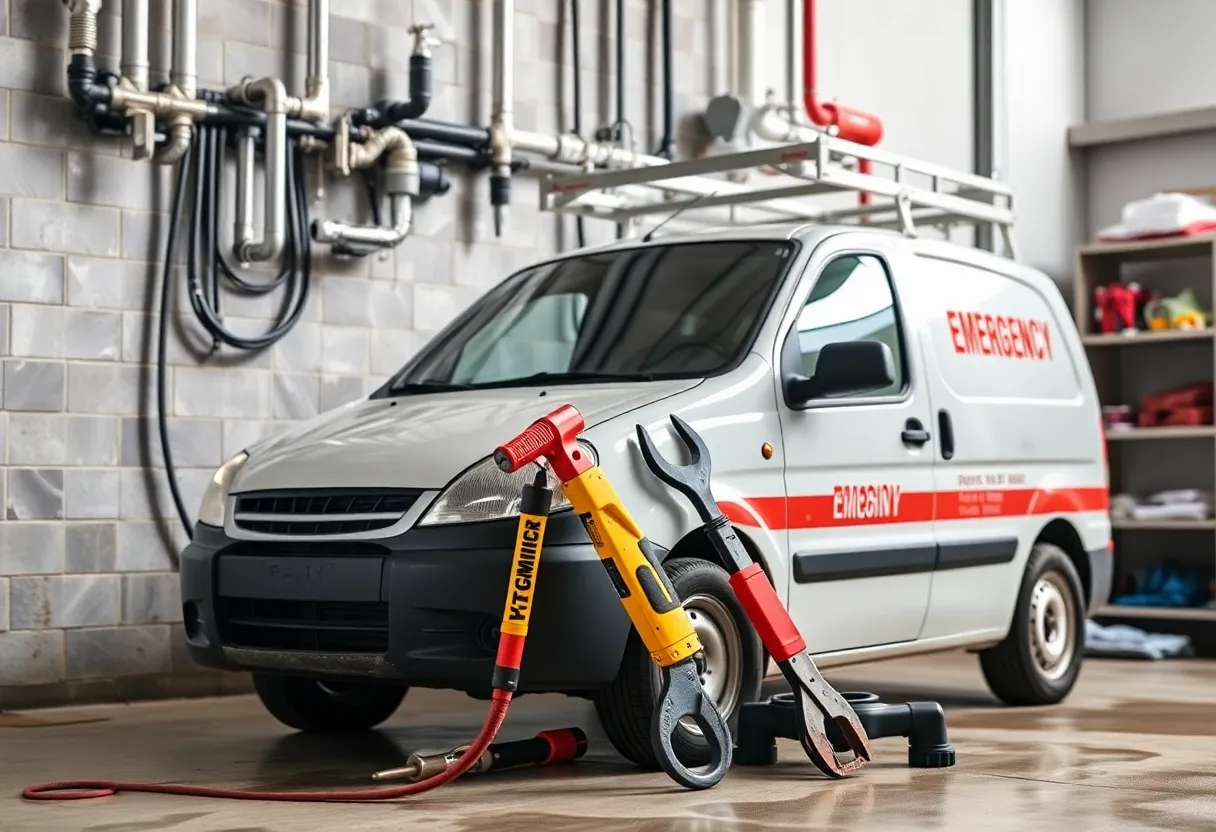
Preparation is key when it comes to plumbing emergencies. Keep essential supplies ready in a designated location. Some items to consider include:
Recommended Emergency Supplies
- Plumber’s tape
- Pipe wrench
- Plunger
- Plumber’s snake
- Buckets for drainage
- Duct tape
- A wet/dry vacuum
Conclusion
Plumbing emergencies can be stressful, but with these 10 must-know hacks, you’ll be better prepared to handle them effectively. Remember, these quick fixes are not substitutes for professional help but can mitigate damage until a plumber arrives. Always exercise caution, and when in doubt, call a professional to handle more complex plumbing issues.
FAQ
What should I do first in a plumbing emergency?
The first step is to turn off the water supply at your main water shutoff valve to prevent further damage.
How do I stop a toilet from overflowing?
To stop a toilet from overflowing, lift the tank lid and push down the flapper to prevent water from flowing into the bowl, then turn off the shutoff valve behind the toilet.
Can I use duct tape for leaks?
Yes, you can temporarily seal leaks with duct tape for a quick fix until a professional can repair it.
What ingredients can I use for a homemade drain cleaner?
Mix equal parts of baking soda and white vinegar, pour it down the drain, and then flush with hot water after 30 minutes.
What supplies should I keep for plumbing emergencies?
Keep plumber’s tape, a pipe wrench, a plunger, a plumber’s snake, buckets, duct tape, and a wet/dry vacuum on hand for emergencies.