

Plumbing Secrets Revealed: 8 Ingenious Maintenance Tips to Extend the Life of Your Pipes
As homeowners, we often take our plumbing systems for granted, unaware of the intricate network of pipes quietly working behind the scenes. Just like any essential component of your home, your plumbing needs regular maintenance to perform optimally. The good news is that with a few simple tips and tricks, you can significantly extend the life of your pipes and prevent costly repairs. In this article, we will discuss eight ingenious maintenance tips that will help you keep your plumbing system in excellent condition.
1. Regular Inspections
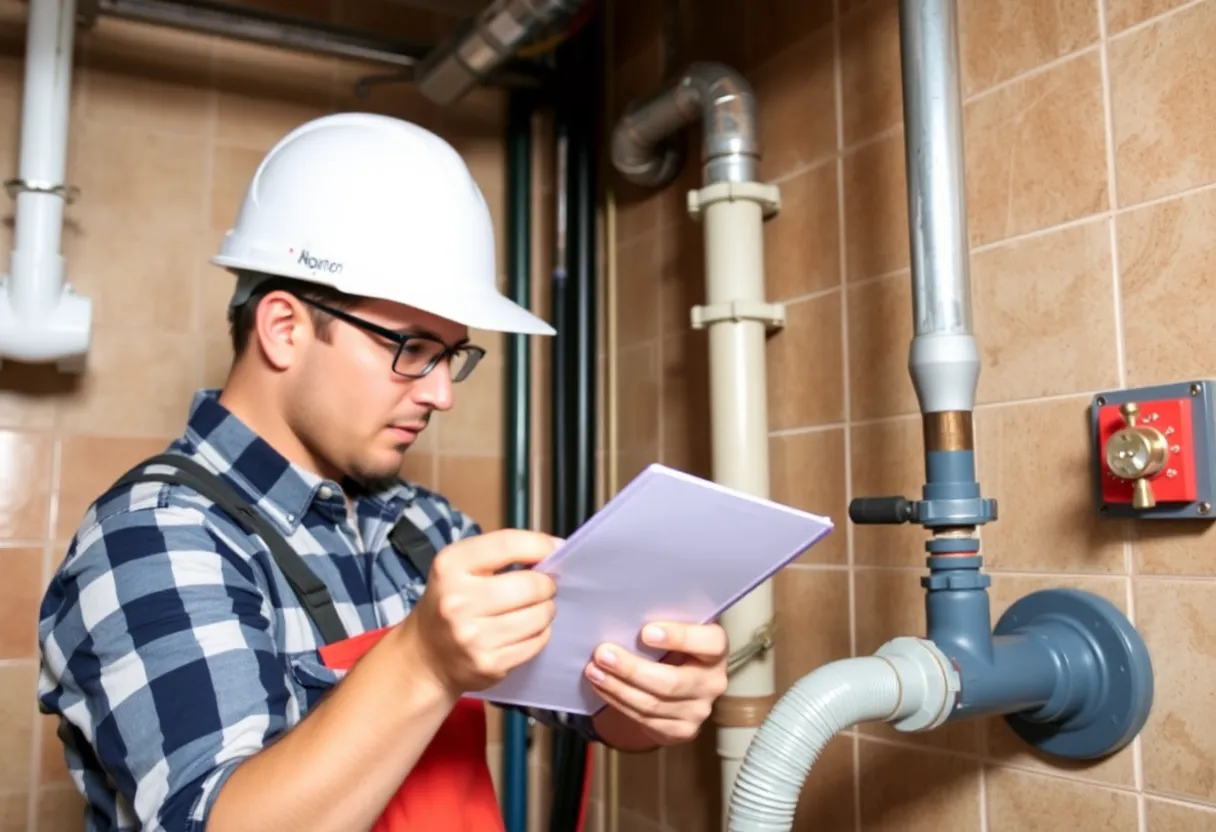
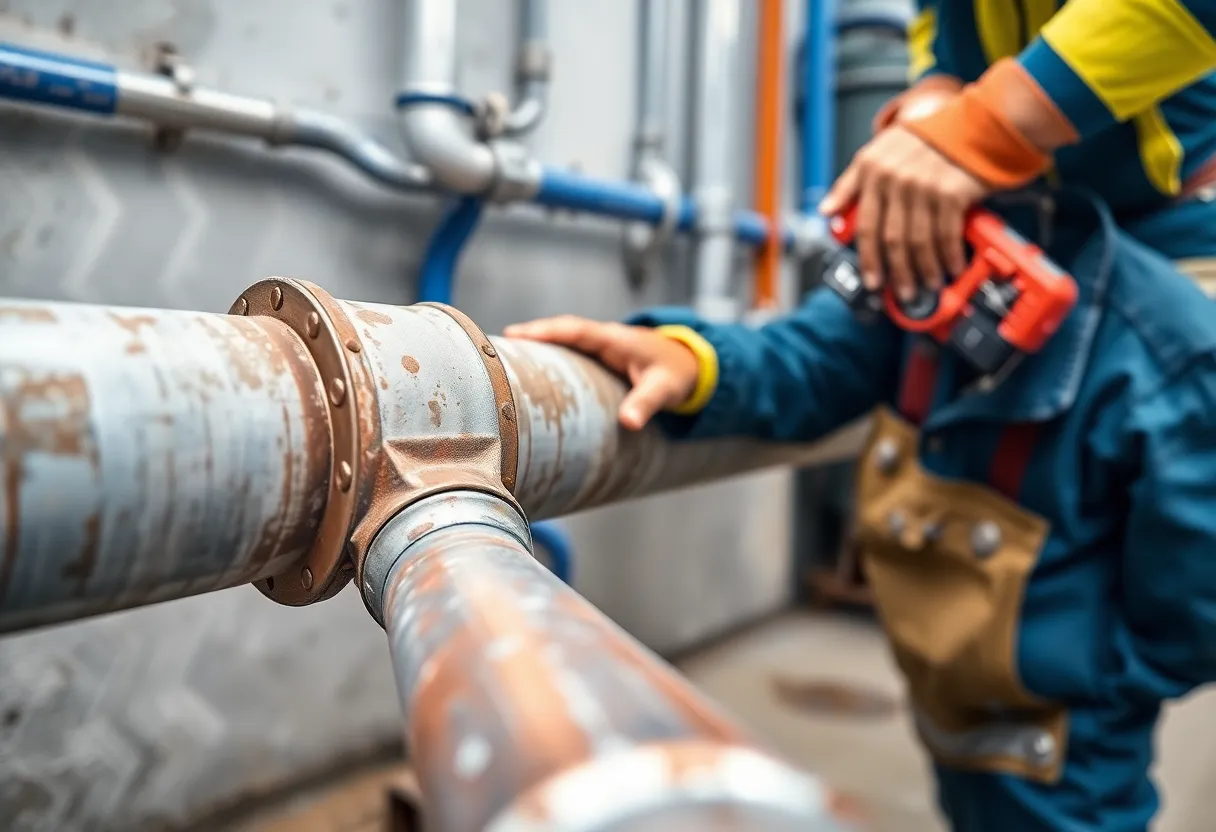
The first step to maintaining your plumbing is to perform regular inspections. Take the time to check all visible pipes for signs of rust, leaks, or corrosion. Look for any water stains on ceilings and walls, as these can indicate leaky pipes hidden from view. Make sure to examine your basement, crawlspaces, and under sinks thoroughly.
What to Look For:
- Corrosion on metal pipes
- Cracks in plastic pipes
- Water stains on walls and ceilings
- Unusual dampness in the surrounding area
2. Keep Drains Clean and Clear
Keeping your drains clean is vital for preventing clogs and extending the life of your pipes. Hair, food particles, and grease can build up over time, causing blockages that can damage your plumbing. Here are some effective tips for keeping your drains clear:
Draining Techniques:
- Use a mixture of baking soda and vinegar to help dissolve clogs naturally.
- Avoid pouring grease down the drain. Use a container to collect it instead.
- Install hair catchers in shower drains to prevent hair build-up.
3. Monitor Water Pressure
Water pressure that is too high or too low can lead to significant problems for your plumbing system. High water pressure can cause leaks and can stress your pipes, while low pressure may indicate blockages or issues in the system.
Checking Water Pressure:
To monitor your water pressure, you can purchase a simple pressure gauge from a hardware store. Ideally, your water pressure should be between 40 to 60 psi. If your pressure is consistently outside this range, consider contacting a plumber for an assessment.
4. Insulate Your Pipes
In colder climates, exposed pipes, especially those in unheated areas of your home, can freeze and burst during cold snaps. Insulating your pipes can save you from significant damage and costly repairs. Proper insulation helps keep the water inside your pipes flowing smoothly, regardless of the temperature outside.
Insulation Tips:
- Use foam sleeves or pipe insulation tape on exposed pipes.
- Seal any gaps or cracks in walls where cold air might enter and affect your plumbing.
- Keep your thermostat set at a consistent temperature during cold spells.
5. Know the Location of Your Shut-off Valve
In case of an emergency, knowing where your main water shut-off valve is located can save you from a flooded home. Make sure all family members are aware of its location and how to operate it. Regularly inspect the valve to ensure it operates smoothly.
Types of Valves:
There are typically two types of shut-off valves:
- Ball Valve: A round lever that you can turn a quarter turn to shut off the water.
- Gate Valve: A metal wheel that you need to turn multiple times to close.
6. Avoid Chemical Drain Cleaners
While chemical drain cleaners may seem like an easy solution to clogged drains, they can be harmful to your pipes in the long run. The harsh chemicals can corrode metal pipes and damage plastic ones, leading to leaks and blockages.
Alternative Solutions:
- Use a plumbing snake for stubborn clogs.
- Opt for natural cleaners like baking soda and vinegar.
7. Flushing Your System Regularly
To keep your pipes, fixtures, and water clean, it’s essential to flush your system regularly. This ensures that sediments and buildup do not linger in your plumbing. Flushing your water heater, for example, can help prolong its life and improve heating efficiency.
How to Flush:
For the most effective flushing:
- Turn off the power to your water heater.
- Connect a hose to the drain valve and direct it to a suitable drain.
- Open the valve and let the water run until it seems clear.
8. Schedule Professional Maintenance
While DIY tips can extend the life of your plumbing, there are some tasks that require a professional touch. Scheduling regular maintenance with a licensed plumber can help identify issues before they become major problems.
What Services to Consider:
- Pipelining for damaged pipes
- Video camera inspection of plumbing systems
- Regular check-ups for water heaters and sewage lines
Conclusion
By following these eight ingenious maintenance tips, you can significantly extend the lifespan of your plumbing and avoid costly repairs. From regular inspections to ensuring proper water pressure, every small step you take contributes to the overall health of your plumbing system. Remember, a little bit of maintenance goes a long way in preserving the unseen infrastructure of your home!
Frequently Asked Questions (FAQ)
What are some signs of plumbing problems?
Some signs of plumbing problems include rust on metal pipes, leaks, water stains on walls and ceilings, and unusual dampness in the surrounding area.
How often should I have my plumbing inspected?
It’s advisable to have your plumbing system inspected at least once a year.
What can I do to prevent clogged drains?
Keep drains clean by using a mixture of baking soda and vinegar, avoiding pouring grease down the drain, and installing hair catchers in shower drains.
What is the ideal water pressure for plumbing systems?
The ideal water pressure for plumbing systems is between 40 to 60 psi.
Why should I avoid chemical drain cleaners?
Chemical drain cleaners can corrode metal pipes and damage plastic ones, leading to leaks and blockages in the long run.