

Plumbing Pitfalls: 10 Lesser-Known Issues That Could Drain Your Wallet
When it comes to plumbing, many homeowners face a myriad of challenges that can often sneak up on them, leading to costly repairs. While we are all aware of the usual culprits that can cause plumbing issues, there are some lesser-known pitfalls that can also wreak havoc on your pipes and finances. In this article, we will delve into 10 lesser-known plumbing pitfalls that could drain your wallet and how you can avoid them.
1. Hidden Leaks
When pipes leak, it’s not always immediately obvious. Hidden leaks can occur within walls or underground, leading to significant water loss and damage. These leaks may cause:
- Structural damage to your home
- Mold and mildew growth
- Increased water bills
Regularly checking for signs of moisture or unusual increases in your water bill can help identify hidden leaks early. Installing a smart water meter can also help monitor water usage in real-time.
2. Poor Drainage Systems
Inadequate drainage can lead to standing water and subsequent plumbing problems. Issues may arise from:
- Improper installation of drainage systems
- Clogs in existing pipes
- Tree root intrusion
Consulting a professional and ensuring your drainage systems are correctly set up can save you from extensive damage and the resultant financial burden.
3. Old or Deteriorated Pipes
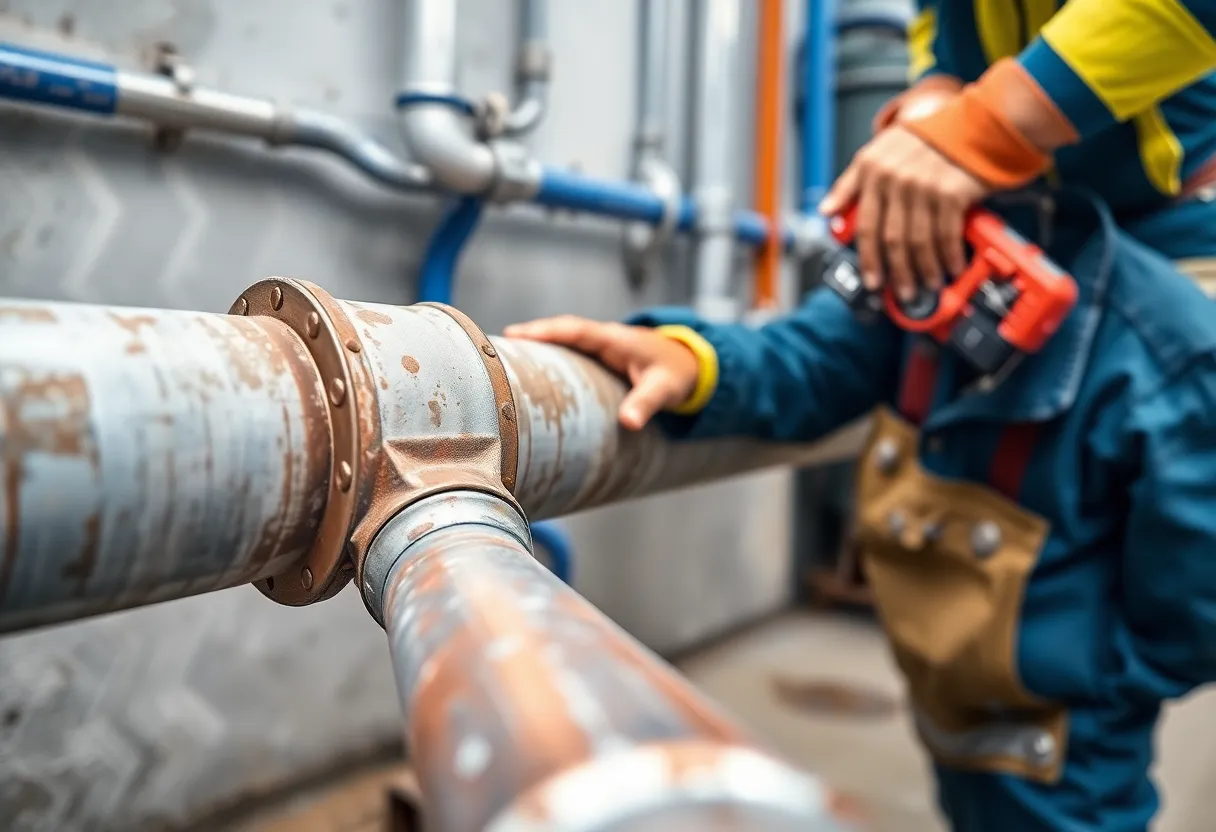
As homes age, so do their plumbing systems. Older pipes made from materials like copper and galvanized steel can corrode or rust over time, leading to leaks and water quality issues. It’s crucial to recognize signs of deterioration such as:
- Discolored water
- Frequent clogs
- Water pressure inconsistencies
Replacing old pipes with modern materials can significantly reduce potential repair costs.
4. Improper Use of Chemical Drain Cleaners
Chemical drain cleaners are often a go-to solution for homeowners facing clogged drains. However, misuse can lead to:
- Pipe damage
- Environmental harm
- Increased clogs if the chemicals do not clear the blockage
Consider natural alternatives or consult a professional to avoid the costly repercussions of chemical drain cleaners.
5. Incorrectly Sized Pipes
Pipes that are too small for your plumbing system may lead to:
- Low water pressure
- Frequent bursts or leaks due to pressure build-up
When planning plumbing installations or renovations, ensure that your pipes are appropriately sized to meet your household’s needs.
6. Ignoring Water Heater Maintenance
Water heaters require regular maintenance to operate efficiently. Neglecting them can lead to:
- Increased energy bills
- Risk of leaks or tank failure
- Reduced lifespan of the unit
Performing annual maintenance, such as flushing the tank and checking the anode rod, can prevent costly repairs and ensure your unit runs smoothly.
7. Exterior Hose Connection Issues
Not properly winterizing hose connections can lead to frozen pipes during colder months. When temperature drops, water in hoses can freeze and cause:
- Pipe bursts
- Expensive repairs
- Damage to exterior walls
Always disconnect and drain your exterior hoses before the first frost to prevent these issues.
8. Overlooking the Impact of Hard Water
Hard water contains high mineral content, which can lead to a buildup of scale in your pipes and appliances. Signs of hard water include:
- White chalky stains
- Decreased water pressure
- Dry skin and hair issues
Investing in a water softening system can improve water quality, prolong the life of your plumbing system, and reduce maintenance costs.
9. Incorrect Appliance Installation
Improperly installed appliances, including dishwashers and washing machines, can cause plumbing problems such as leaks and clogs. Potential issues include:
- Hoses that are too long or too short
- Improper drainage setups
- Connection issues with the water supply
Always follow manufacturer instructions or hire a professional to install your appliances to avoid unnecessary plumbing repairs.
10. Neglecting Regular Plumbing Inspections
Just like any other part of your home, your plumbing system requires regular checkups. Routine inspections can help identify potential issues before they become significant problems. Skipping these can lead to:
- Expensive emergency repairs
- Water damage
- Compromised property value
Consider scheduling bi-annual plumbing inspections to keep your system in top condition and catch any minor issues early on.
Conclusion
Understanding and addressing these lesser-known plumbing pitfalls can save homeowners from unexpected costs and headaches. By staying aware of your plumbing system’s health and engaging in proactive maintenance, you can ensure your home’s plumbing system remains functional and cost-effective. Regular checks, appropriate installations, and immediate repairs when issues arise will go a long way in protecting your wallet and enhancing your living environment.
FAQs
1. How can I detect a hidden leak in my home?
Regularly check for signs of moisture, unusual increases in your water bill, or damp spots on walls and ceilings to help identify hidden leaks early.
2. What are the signs of old or deteriorated pipes?
Signs of old or deteriorated pipes include discolored water, frequent clogs, and inconsistencies in water pressure.
3. Why should I avoid using chemical drain cleaners?
Misuse of chemical drain cleaners can damage pipes, harm the environment, and lead to increased clogs if the blockage isn’t cleared.
4. How often should I have my plumbing system inspected?
It is advisable to schedule bi-annual plumbing inspections to keep the system in optimal condition and catch minor issues before they escalate.
5. What should I do to prevent exterior hose connection issues?
Always disconnect and drain your exterior hoses before the first frost to prevent pipes from freezing and bursting during colder months.