


The Plumbing Code: 10 Essential Regulations Every Homeowner Should Know to Avoid Costly Mistakes
The intricate world of plumbing codes can often seem daunting to homeowners. However, understanding and adhering to these regulations is crucial to avoid _costly mistakes_ and ensure the safety of your home and family. In this article, we will walk through ten essential plumbing code regulations that every homeowner should be aware of.
1. Understanding the Importance of Plumbing Codes
Plumbing codes are established by government authorities to ensure safety, health, and welfare in the construction and maintenance of plumbing systems. They provide guidelines on various aspects, including installations, materials, and maintenance practices.
Why Compliance Matters
Failure to comply with plumbing codes can lead not only to legal penalties but also to severe structural and health issues within the home. _Leaking pipes_, _substandard materials_, and _improper installation_ can result in water damage, mold growth, and public health hazards.
2. The Code for Sizing Water Supply Pipes
Properly sizing your water supply pipes is critical to ensuring adequate water pressure and flow. The plumbing code specifies the appropriate diameter for pipes based on the expected use.
Key Guidelines
Generally, the recommended pipe sizes for residential systems are:
- _3/4 inch_ diameter for main supply lines
- _1/2 inch_ diameter for branch lines to fixtures
Consulting the code will help ensure you have the right size for your needs, preventing issues such as low water pressure.
3. Drainage System Regulations
A plumbing code regulates how drainage systems must be installed to ensure proper waste movement and ventilation throughout the home.
Essential Components
Some key components governed by plumbing codes include:
- _Minimum slope requirements_ for drain lines (usually 1/4 inch per foot)
- Use of _traps_ to prevent sewer gases from entering the home
- _Vent pipes_ to ensure airflow and proper drainage
4. Water Heater Regulations
Water heaters are a vital part of many households, so it’s essential to adhere to the plumbing code regarding installation, maintenance, and safety.
Installation and Safety Guidelines
Some critical regulations for water heaters include:
- _Clearance requirements_ around the unit for maintenance
- _Pressure relief valves_ to prevent dangerous build-up of steam
- Proper venting for gas water heaters to avoid carbon monoxide poisoning
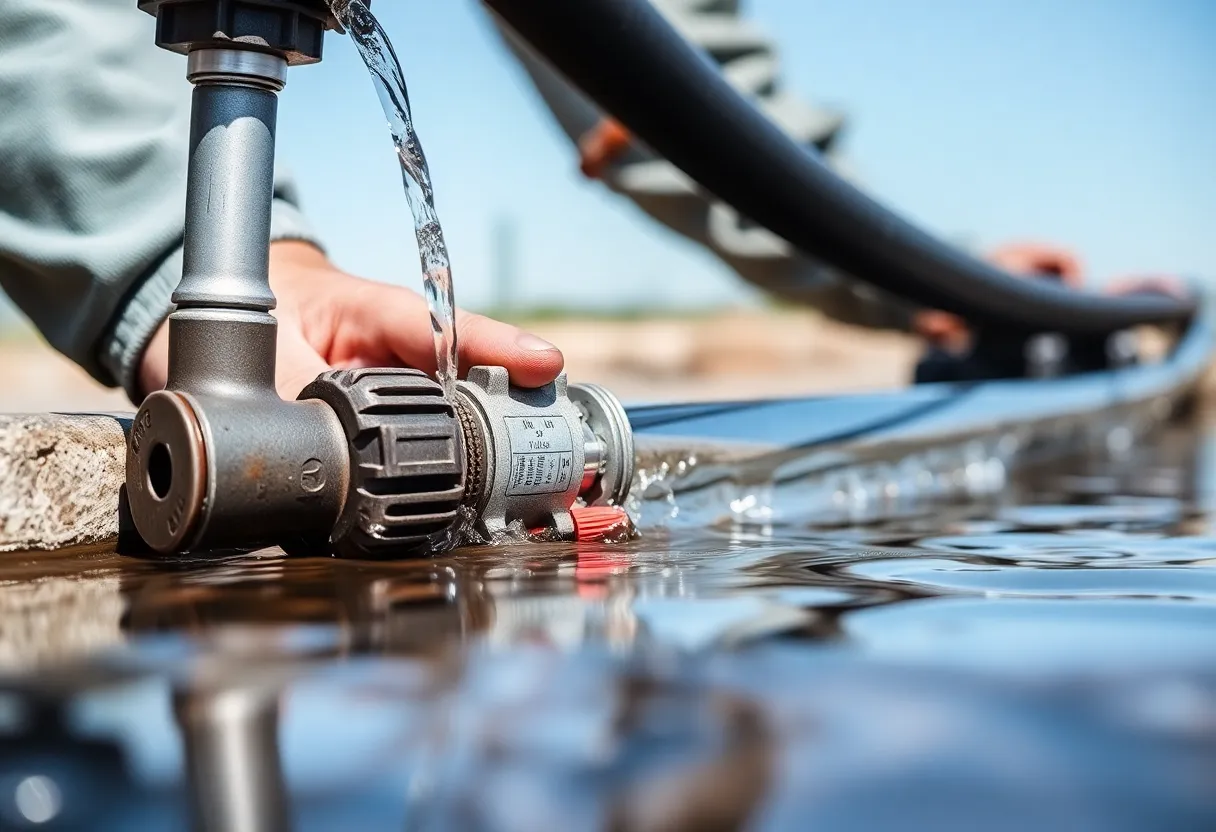
5. Backflow Prevention
Backflow can result in contaminated water entering your home. Plumbing codes require specific measures to prevent this scenario.
Prevention Methods
Common backflow prevention methods include:
- _Air gaps_ in dishwasher supply lines
- _Backflow prevention valves_ for irrigation systems
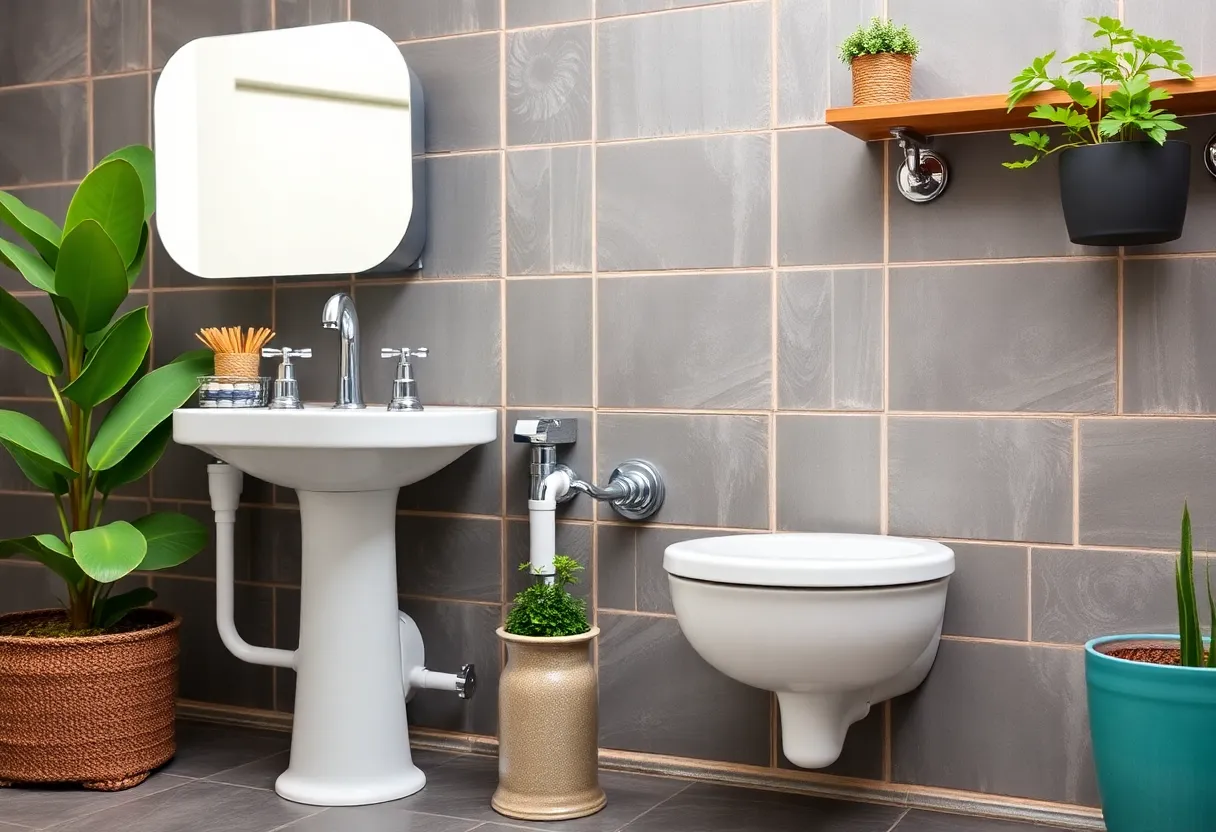
6. Proper Fixture Installation
Each plumbing fixture in your home must comply with plumbing codes to ensure functionality and safety.
Important Considerations
Some important regulations regarding fixture installation include:
- _Spacing requirements_ for sinks, toilets, and tubs to allow access
- _Correct height for fixtures_ to ensure easy access and use
7. Choosing the Right Materials
Plumbing codes specify acceptable materials for piping, fixtures, and fittings. This helps ensure durability and safety.
Commonly Approved Materials
Accepted materials typically include:
- _Copper_ for water supply lines
- _PVC_ or _ABS_ piping for drain lines
Adhering to these guidelines helps prevent leaks and failures.
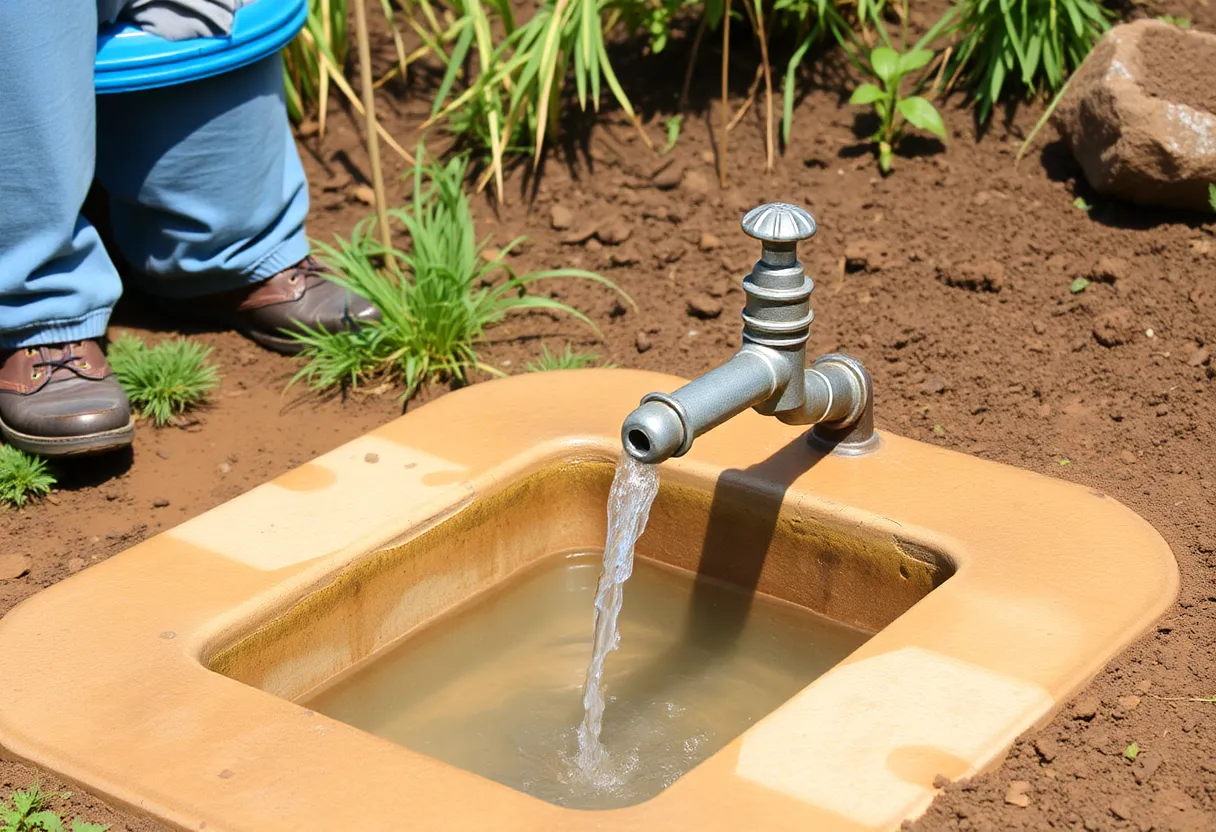
8. Outdoor Plumbing Considerations
Outdoor plumbing must also comply with relevant codes, especially concerning irrigation and landscape drainage.
Regulation Highlights
Key regulations for outdoor plumbing systems include:
- _Proper backflow prevention_ on irrigation systems
- _Drainage requirements_ to prevent flooding and erosion
9. Maintaining Plumbing Systems
Regular maintenance is necessary to keep plumbing systems functioning correctly and adhering to local codes.
Best Practices
Some maintenance practices prescribed by plumbing codes are:
- _Routine inspections_ of appliances and fixtures
- _Draining_ the water heater annually to prevent sediment build-up
10. Getting Permits for Plumbing Work
Most municipalities require permits for significant plumbing work to ensure compliance with local plumbing codes.
Why Get a Permit?
Acquiring permits is crucial because:
- _Permits ensure inspections_, which verify adherence to codes
- They protect homeowners from _liability_ and future problems
Conclusion
Understanding and applying plumbing codes is essential for every homeowner. By being aware of these crucial regulations, you can prevent _costly mistakes_, ensure safety, and promote the longevity of your plumbing system. Always consult a professional or your local building authority for guidance on plumbing codes in your area for the best practices and regulations pertinent to your specific situation.