
Plumbing Pitfalls: 10 Surprising Household Habits That Could Be Wrecking Your Water System
Your home’s plumbing system is one of its most crucial components, yet many homeowners inadvertently engage in habits that can lead to significant damage or costly repairs. Whether it’s building up pressure in your pipes or introducing foreign objects into the plumbing system, understanding the most common plumbing pitfalls is essential for maintaining the integrity of your water system. Here, we will discuss ten surprising household habits that could be wreaking havoc on your plumbing.
1. Ignoring Drains
Many people tend to overlook their drains until there is a serious problem, which often results in expensive repairs. Allowing hair, soap residue, and food particles to accumulate in your drains can lead to blockages. Regular maintenance, such as using a drain strainer, can help keep these protective barriers intact.
How to Prevent Clogs
Cleaning out your sink traps periodically can prevent build-up. Additionally, consider using a natural drain cleaner made from baking soda and vinegar to help break down any formation of grease or hair without the use of harsh chemicals.
2. Using Your Toilet as a Trash Bin
Your toilet is designed to handle human waste and toilet paper, and that’s it! Flushing anything else, such as sanitary products, paper towels, or even dental floss, can lead to clogs and could potentially damage your plumbing system.
The Right Way to Dispose of Items
Make it a habit to use a trash can for anything other than toilet paper. Educate other household members about what is safe to flush and what isn’t.
3. Overusing Chemical Drain Cleaners
While chemical drain cleaners might provide a quick fix for clogs, frequent use can be detrimental to your plumbing system. These harsh chemicals can corrode pipes over time, leading to leaks or breaks.
Alternative Solutions
Opt for natural methods to clear clogs, as mentioned earlier. If a clog persists, consider calling a professional plumber rather than relying on chemical solutions.
4. Neglecting Regular Maintenance
Just like your car, your plumbing system requires regular maintenance. Failing to check for leaks, worn-out fixtures, or signs of corrosion can lead to bigger problems down the line.
Signs of Trouble
Regularly inspect your plumbing for leaks and corrosion. If you notice a sudden increase in your water bill or damp spots on walls or ceilings, it could mean there’s an underlying plumbing issue that needs to be addressed.
5. Using Hot Water to Dispose of Fat
While it may seem convenient to pour leftover cooking oil and grease down the drain, this habit can be disastrous for your plumbing. When hot grease cools, it solidifies and can cause blockages in pipelines.
Proper Disposal Methods
Instead of pouring grease down your drains, wait for it to cool and dispose of it in a can or jar. Once solidified, place it in your household trash.
6. Not Knowing Where Your Main Water Shut-Off Valve Is
In the event of a plumbing emergency, knowing the location of your main water shut-off valve can save you from extensive damage. Many homeowners are unaware of its location until it’s too late.
Finding Your Shut-Off Valve
Check your basement, near the water heater, or where the water line enters your home. Familiarize yourself with how to operate the valve to act quickly in emergencies.
7. Ignoring Water Pressure
Many homeowners do not pay attention to their water pressure, brushing off fluctuations as a minor inconvenience. However, consistently high water pressure can lead to leaky fixtures and damaged pipes.
Measuring Your Water Pressure
A pressure gauge can help you monitor your water pressure. Ideally, it should be between 40 and 60 psi. If yours is consistently higher, consider installing a pressure regulator.
8. Seasonal Changes and Plumbing
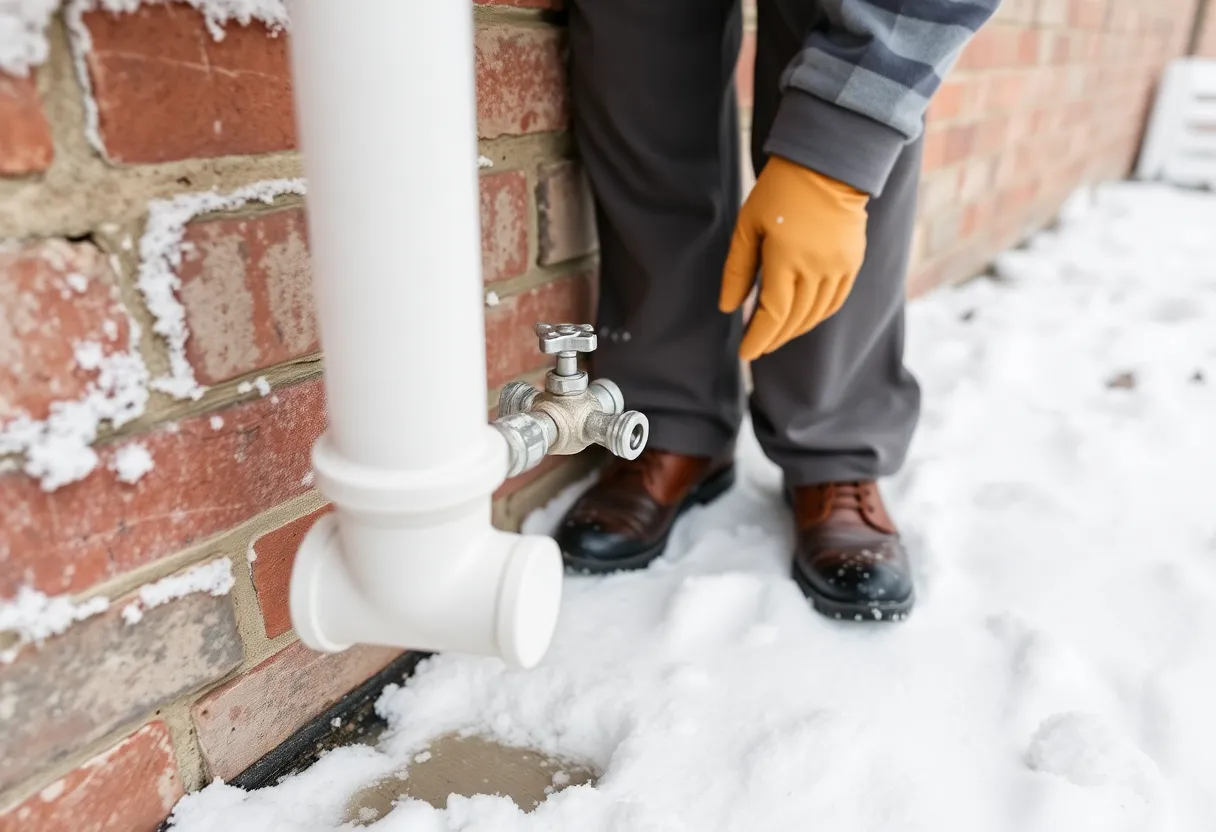
Many homeowners do not realize that changing seasons can affect their plumbing. During winter, freezing temperatures can lead to pipes bursting if they are not properly insulated.
Winterizing Your Plumbing
When temperatures drop, ensure that your pipes are adequately insulated. Disconnect garden hoses and drain outdoor faucets to prevent freezing and cracking.
9. Using Flushable Wipes
Even if they are labeled as “flushable,” many wipes do not break down in water, and using them can contribute to significant plumbing issues. They can cause blockages in your drains and sewer systems.
Better Alternatives
Opt for standard toilet paper instead. If you prefer using wipes, dispose of them in the trash rather than your toilet to keep your plumbing healthy.
10. Failing to Investigate Odd Noises
Strange noises coming from your plumbing, such as banging or gurgling, are often ignored until they develop into larger problems. These sounds can indicate issues like water hammering, which can damage your pipes.
When to Call a Professional
If you hear unfamiliar noises, do not hesitate to contact a plumbing professional to assess the situation before it leads to significant damage.
Conclusion
By recognizing and correcting these surprising household habits, you can maintain the integrity of your plumbing system and avoid expensive repairs. _Awareness is key_; the more you know about how your daily habits affect your plumbing, the better equipped you’ll be to protect your home.
FAQs
1. What are the signs that I need to check my plumbing?
Signs include leaks, odd noises, slow drains, or a sudden increase in your water bill.
2. Can I use vinegar to clean my drains?
Yes, using a combination of baking soda and vinegar is a natural way to help keep your drains clean.
3. How can I prevent a toilet clog?
Only flush human waste and toilet paper. Avoid flushing products like wipes or cotton balls.
4. What should I do if I have a plumbing emergency?
Locate your main water shut-off valve and turn off the water supply. Then, contact a professional plumber for assistance.
5. Are all “flushable” products safe for plumbing?
No, many products labeled as flushable do not break down in water and can cause plumbing issues.