

Plumbing Mysteries Decoded: 10 Expert Tips to Enhance Your Home’s Water Quality and Efficiency
When it comes to maintaining a home, plumbing is often an overlooked yet critical aspect. The quality and efficiency of your plumbing system affects not only your comfort but also your overall health and the environment. In this article, we will uncover some common plumbing mysteries and provide you with 10 expert tips to enhance your home’s water quality and efficiency.
Understanding the Importance of Water Quality
Water quality goes beyond just taste. Contaminated water can lead to a host of health issues including gastrointestinal diseases, reproductive problems, and can even affect the nervous system. Moreover, poor water quality can lead to increased plumbing issues over time, which is why prioritizing it is essential.
Tip 1: Know Your Water Source
The first step to improving your water quality is understanding where your water comes from. For most homeowners, water sources can be classified as:
- Municipal Water: This water is treated and usually meets safety standards set by health authorities.
- Well Water: Groundwater that can be more susceptible to contamination if not properly protected.
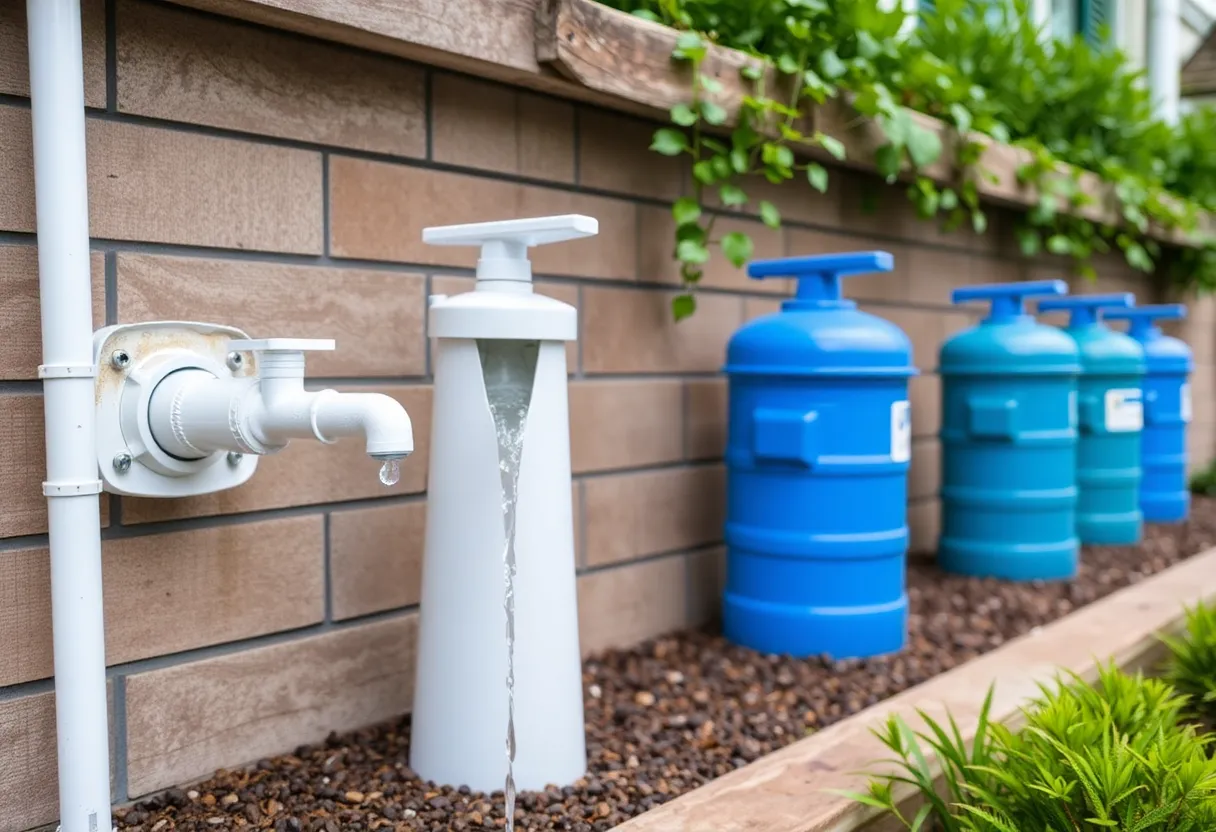
- Rainwater Harvesting: Water collected from roofs that needs treatment before use.
Find out the specific qualities, including pH, hardness, and potential contaminants to understand how to treat your water better.
Tip 2: Test Your Water Regularly
Regular water testing is crucial in monitoring your water quality. This can help you detect:
- Presence of heavy metals such as lead and copper.
- Microbial contamination including bacteria and viruses.
- pH levels which indicate acidity or alkalinity.
Testing kits are widely available online or at home improvement stores, making it easier for homeowners to keep tabs on their water’s health.
Tip 3: Install a Water Filtration System
Investing in a water filtration system can drastically improve your water quality. Different types of filtration systems include:
- Activated Carbon Filters: These remove chlorine, sediment, and volatile organic compounds.
- Reverse Osmosis Systems: Effective in filtering out contaminants at a molecular level.
- UV Systems: Ideal for neutralizing bacteria and viruses, particularly beneficial for well water users.
Tip 4: Addressing Hard Water Issues
If your water is hard, it can lead to buildup in pipes and appliances, resulting in inefficiency. Consider installing a water softener that works to:
- Remove calcium and magnesium ions.
- Reduce scale buildup in pipes and appliances.
- Enhance the effectiveness of soaps and detergents.
The benefits of softened water extend beyond plumbing; it can also improve the quality of your skin and hair care.
Tip 5: Monitor Water Pressure
Excess water pressure can lead to leaks and damage. Using a water pressure gauge to monitor your system can help you maintain optimal pressure levels, generally between 40-60 psi. Signs of overpressure include:
- Burst pipes
- Frequent faucet leaks
- Appliances showing wear and tear
Tip 6: Preventing Pipe Corrosion
Corrosion in pipes is a common plumbing issue, especially in older homes. Preventive measures include:
- Maintaining optimal water pH levels.
- Insulating pipes against extreme temperatures.
- Reinforcing pipe connections to avoid leaks.
Using pipes made from corrosion-resistant materials, such as PEX or PVC, can also be a beneficial long-term strategy.
Tip 7: Regular Plumbing Maintenance
Routine maintenance of your plumbing system is essential for extending the life of your installation. Important tasks include:
- Inspecting all visible plumbing for leaks.
- Flushing out your water heater annually to remove sediment buildup.
- Calling a professional for yearly inspections of the plumbing system.
Tip 8: Educate Your Family on Water Sustainability
Teaching family members about water conservation can make a significant impact on your water usage. Some tips to share include:
- Fixing leaks promptly to avoid water waste.
- Using water-efficient fixtures and appliances.
- Taking shorter showers and turning off taps when brushing teeth.
Engaging everyone in the household can foster a culture of sustainability and efficiency.
Tip 9: Consider Greywater Recycling
Implementing a greywater recycling system can help you save on water costs while promoting environmental responsibility. Greywater systems recycle water from:
- Showers and bathtubs
- Sinks and washing machines
Make sure to comply with local regulations and guidelines when setting up a greywater system to ensure safety and efficiency.
Tip 10: Engage with Professional Plumbers
Finally, consulting with professional plumbers is invaluable. Whether you have specific plumbing issues or seek advice on enhancement methods, professionals can:
- Provide tailored recommendations for your home.
- Diagnose potential problems before they become serious.
- Help with installations of advanced systems like water heaters or purification systems.
Conclusion
The importance of maintaining high water quality and plumbing efficiency cannot be overstated. By implementing these 10 expert tips, you not only enhance the health and comfort of your home but also contribute positively to the environment. Water is a precious resource; let’s use it wisely.