

Plumbing Insights: 10 Game-Changing Techniques to Maximize Your Home’s Water Efficiency
Water is an essential resource for our daily lives, from cooking and cleaning to bathing and watering our gardens. However, the increasing demand for water has led to significant concerns regarding water scarcity and rising utility bills. In this blog, we will explore _10 game-changing techniques_ that can help you maximize your home’s water efficiency. Implementing these techniques not only benefits the environment but also reduces your water expenses and contributes to sustainable living.
1. Install Low-Flow Fixtures
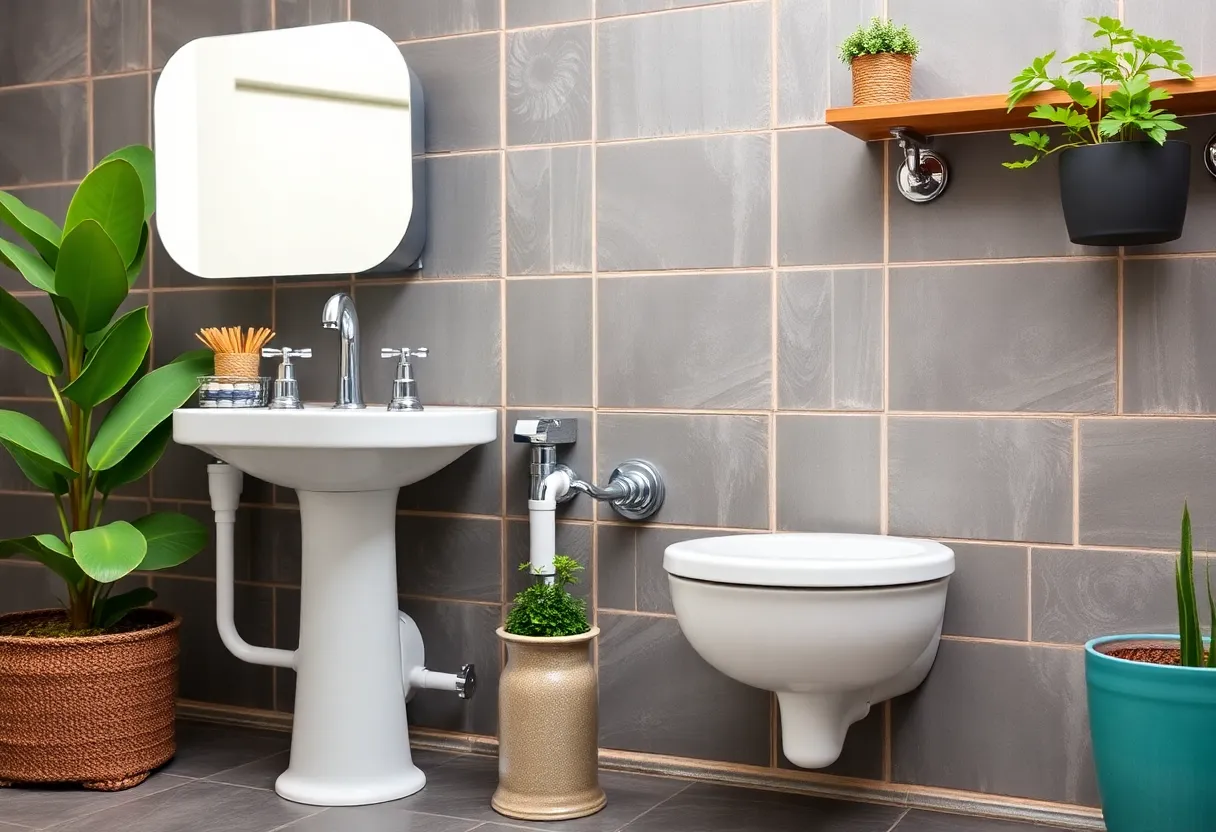
One of the simplest ways to enhance water efficiency in your home is to install low-flow fixtures. These fixtures – including faucets, showerheads, and toilets – are designed to use less water without compromising performance. For instance, a low-flow showerhead can reduce water consumption from 2.5 gallons per minute to as low as 1.5 gallons per minute.
Benefits of Low-Flow Fixtures
- Lower water bills
- Conservation of water resources
- Minimal impact on water pressure
2. Fix Leaks Promptly
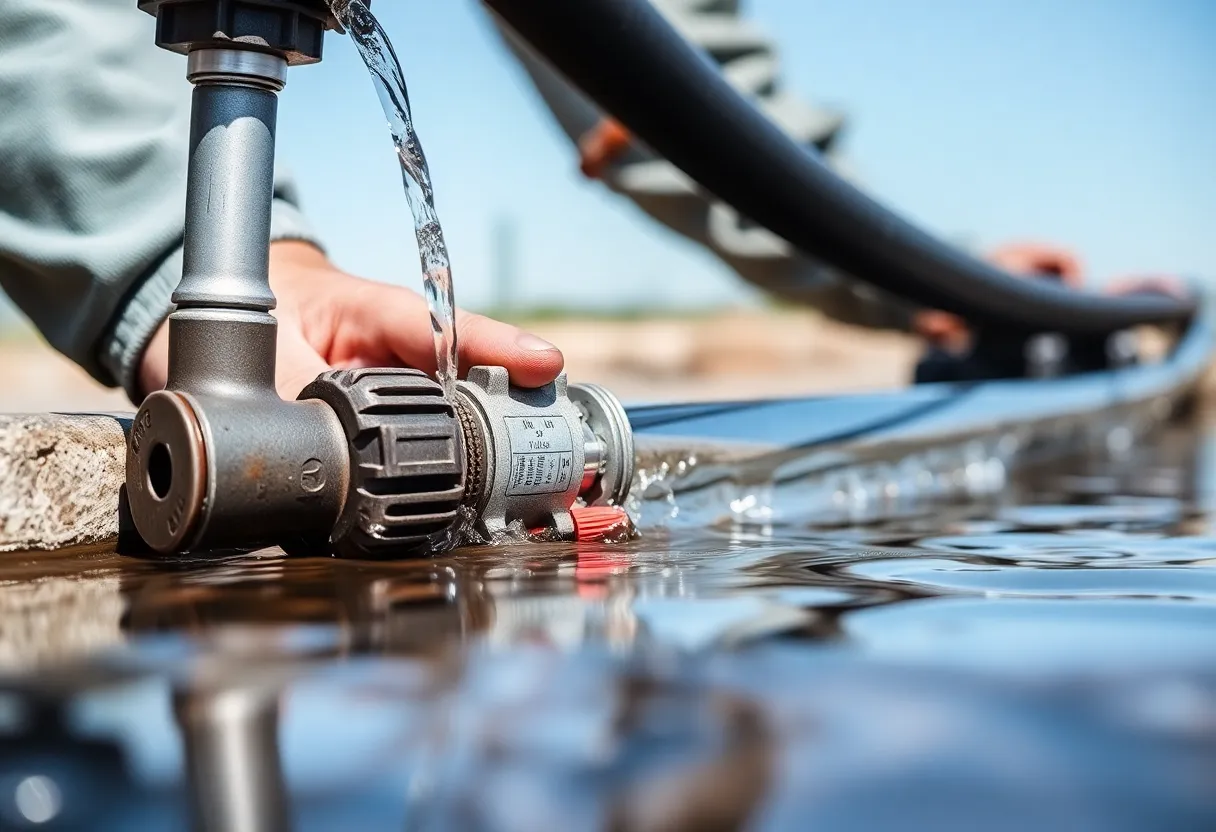
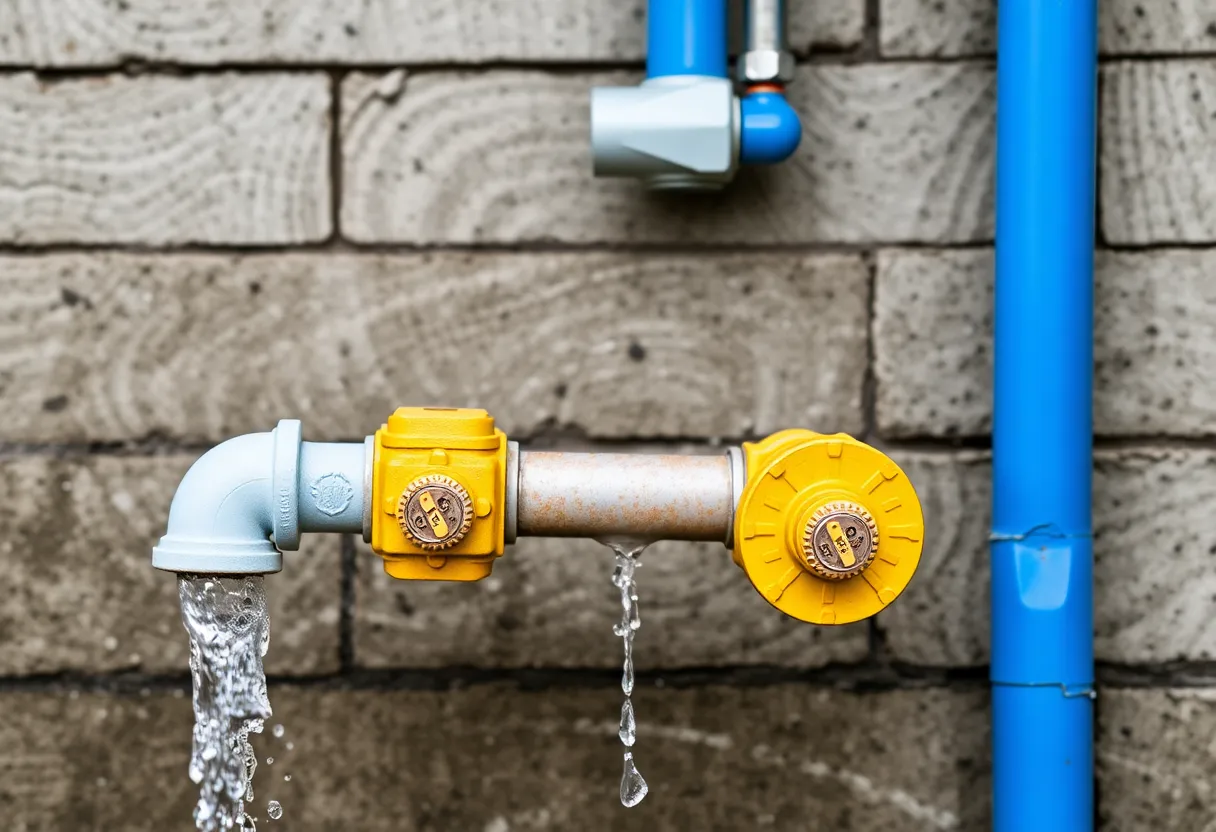
Leaks are a common issue that can waste a significant amount of water over time. A single dripping faucet can waste over 3,000 gallons of water per year! It’s crucial to regularly check for leaks in your plumbing and fix them promptly. Inspect faucets, toilets, and irrigation systems for any signs of leakage, and address them as soon as they are found.
How to Identify Leaks
- Listen for dripping sounds in quiet areas.
- Check water bills for unexpected increases.
- Conduct a dye test in toilets to detect silent leaks.
3. Use Water-Efficient Appliances
Investing in water-efficient appliances can significantly reduce your home’s water usage. Look for appliances with the ENERGY STAR label, which meet energy efficiency guidelines set by the U.S. Environmental Protection Agency.
Appliances to Consider
- Dishwashers
- Washing machines
- Refrigerators with ice and water dispensers
4. Rainwater Harvesting
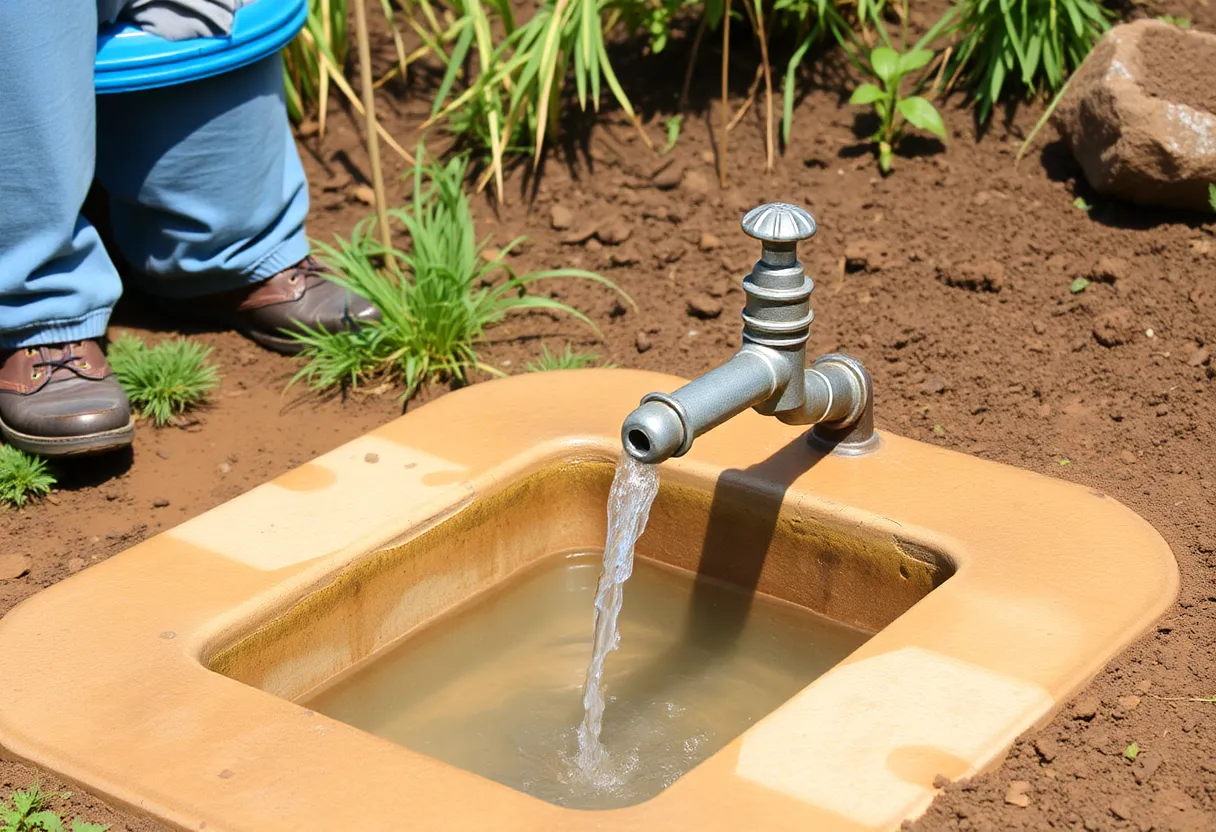
Consider setting up a rainwater harvesting system to capture rainwater for non-potable uses such as irrigation, toilet flushing, and washing vehicles. This technique aids in water conservation and can significantly reduce your reliance on municipal water sources.
Components of a Rainwater Harvesting System
- Rain barrels or cisterns to collect rainwater
- Gutter systems to direct water into storage
- Filtration systems for cleaner water
5. Efficient Irrigation Techniques
If you have a garden, using efficient irrigation techniques can minimize water wastage. Replace traditional sprinkler systems with drip irrigation systems, which deliver water directly to the roots of the plants.
Benefits of Drip Irrigation
- Reduces evaporation and runoff
- Improves crop yield
- Automates watering schedules with timers
6. Landscape with Native Plants
Choosing native plants for your garden can drastically reduce the amount of water needed for irrigation. Native plants are adapted to the local climate and require less water and maintenance compared to exotic species.
Advantages of Native Landscaping
- Lower water bills
- Greater biodiversity
- Less pesticide and fertilizer use
7. Greywater Recycling
Greywater recycling involves reusing water from sinks, showers, and washing machines for irrigation or toilet flushing. This can significantly reduce your overall water usage and help you save money on water bills.
How to Implement Greywater Recycling
- Install a greywater system for collecting and distributing greywater.
- Use biodegradable soaps and detergents for safe reuse.
- Consult with a professional for proper installation to adhere to local regulations.
8. Smart Home Technology
Utilizing smart home technology can provide real-time insights into your water usage. Smart water meters and leak detection systems can alert you to unusual activity, helping you identify leaks or inefficient usage before they become significant issues.
Popular Smart Technologies
- Smart water meters for monitoring usage
- Leak detection sensors
- Automated irrigation controllers
9. Insulate Water Pipes
Insulating water pipes can help maintain the temperature of hot water, reducing the energy needed to heat water and minimizing water waste while waiting for it to heat up.
Insulation Options
- Foam pipe insulation for immediate results
- Heat tape for specific areas
- Insulating jackets for water heaters
10. Educate Your Household
Lastly, education plays a significant role in maximizing water efficiency in your home. Teach your family about the importance of water conservation and encourage them to adopt water-saving habits.
Water-Saving Habits to Share
- Turning off the tap while brushing teeth
- Taking shorter showers
- Running dishwashers and washing machines only with full loads
Conclusion
In conclusion, maximizing your home’s water efficiency not only conserves precious resources but also brings about significant cost savings. By implementing these _10 game-changing techniques_, you will be on your way to a more sustainable lifestyle. Every drop counts, and your efforts can make a difference – for both your wallet and the environment.
FAQ
What are low-flow fixtures?
Low-flow fixtures are plumbing fixtures designed to use less water without compromising performance.
How can I check for leaks in my plumbing?
You can check for leaks by listening for dripping sounds, checking water bills for unexpected increases, and conducting a dye test in toilets.
What should I consider when installing a rainwater harvesting system?
Consider components such as rain barrels or cisterns, gutter systems for directing water, and filtration systems for cleaning the water.
What are the benefits of using drip irrigation?
Benefits of drip irrigation include reduced evaporation and runoff, improved crop yield, and the ability to automate watering schedules with timers.
How can I teach my family about water conservation?
You can teach your family by sharing water-saving habits such as turning off the tap while brushing teeth, taking shorter showers, and running appliances only with full loads.