

The Plumbing Revelation: 10 Essential Steps to Overcome Hidden Dangers in Your Home’s Water System
Every homeowner deserves to feel safe and secure, especially when it comes to one of the most essential systems in their home – the plumbing. A home’s water system often hides _dangers_ that can lead to costly repairs and even health concerns if left neglected. In this article, we will unveil the _hidden dangers_ lurking within your plumbing and share _10 essential steps_ to combat these issues effectively.
1. Understanding Your Home’s Plumbing Layout
Before you can tackle anything in your plumbing system, it is crucial to have a clear understanding of how everything is laid out.
Study your home’s blueprints or, if unavailable, conduct a walkthrough to identify main pipes, fixtures, and appliances that utilize water. Take note of:
- Water heater location
- Main water shut-off valve
- Drainage points
This knowledge will be your foundation for identifying _potential hazards_ and making informed decisions.
2. Regular Inspections
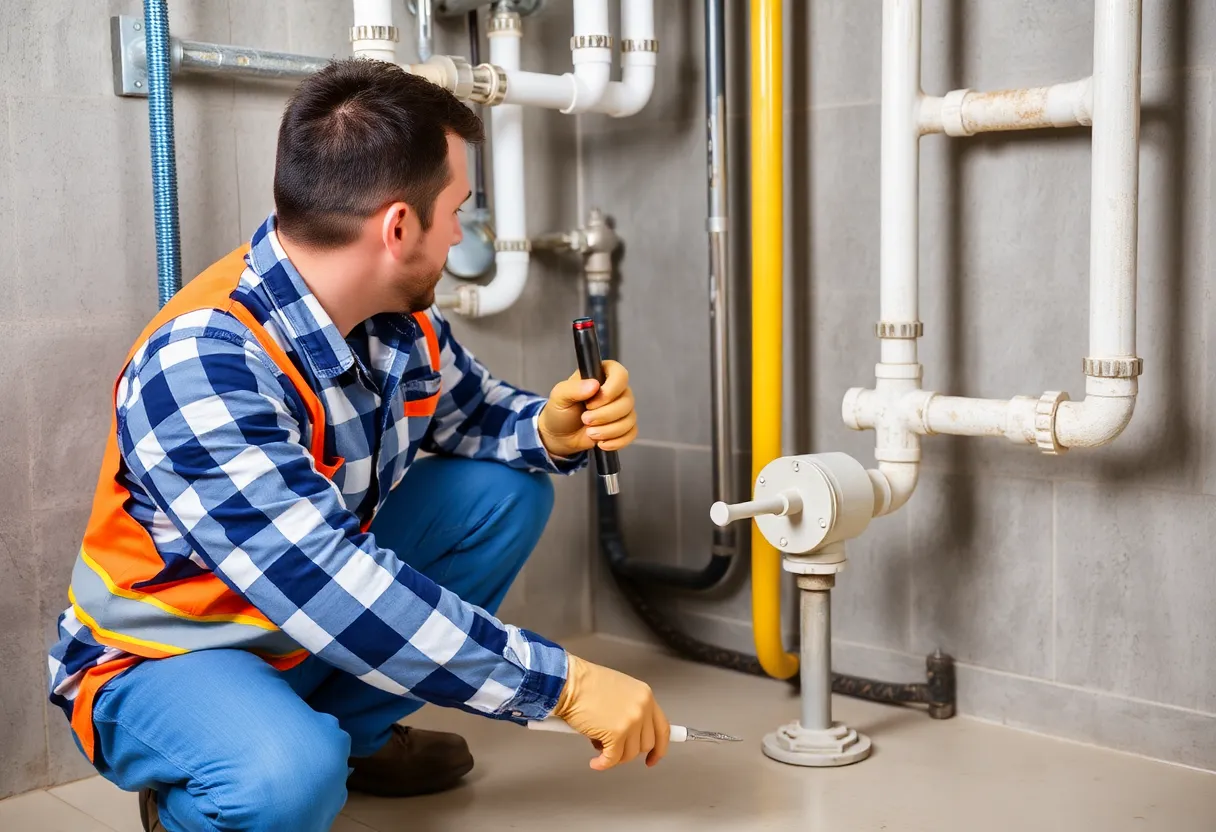
Conducting periodic inspections of your plumbing system is vital. Aim for at least two inspections a year. Here are key areas to concentrate on:
- Check for visible leaks around pipes and fittings.
- Inspect water heater for signs of rust, sediment accumulation, or leaks.
- Examine caulking around sinks and tubs for cracks or deterioration.
If an inspection uncovers a potential issue, act quickly. Early detection often saves homeowners from _extensive damage_ and large repair bills.
3. Combatting Hard Water
Hard water is another significant concern for many households. This condition arises when water contains a high mineral content, primarily calcium and magnesium. Long-term exposure to hard water can lead to:
- Scale buildup in pipes, which constricts water flow.
- Reduced efficiency in appliances that use water, such as dishwashers and water heaters.
- Dry skin and hair.
To overcome hard water, consider installing a _water softener_. These devices remove mineral deposits from your water supply, ultimately prolonging the life of your plumbing and improving your overall quality of life.
4. Maintain Your Drains
Your drains play a pivotal role in your home’s plumbing system. Clogged drains can lead to serious problems, such as backups and even structural damage. Follow these maintenance tips:
- Avoid pouring grease, fats, or coffee grounds down the drain.
- Utilize strainers in sinks and tubs to minimize debris entering your drainage system.
- Monthly flushing of drains with a mixture of baking soda and vinegar can help dissolve build-up.
Regular maintenance will keep your drains running smoothly and help prevent _severe clogs_ and damages in your plumbing system.
5. Check for Pipe Corrosion
Pipes can corrode over time due to age, material, and water quality. Metal pipes are more susceptible to corrosion, which can lead to leaks and dangerous water contamination.
- Look for rust spots on exposed piping.
- Listen for unusual sounds, such as knocking or banging in pipes.
Consider replacing older metal pipes with modern alternatives like _PVC or PEX_ piping, which are more resistant to corrosion and leaks.
6. Understanding Backflow Prevention
Backflow occurs when contaminated water flows back into your clean water supply, posing serious health risks. To mitigate this risk:
- Install a _backflow prevention device_, particularly for irrigation systems.
- Regularly check your sump pump and ensure it is functioning correctly, as a flooded basement can lead to catastrophic backflow issues.
Stay educated about your local plumbing codes regarding backflow prevention, which may also safeguard you from potential hazards.
7. Be Mindful of Tree Roots
Though they may seem harmless, tree roots can pose a significant threat to plumbing systems. They can infiltrate pipes, leading to blockages or even broken pipes. To manage this risk, consider:
- Planting trees away from your plumbing lines.
- Using root barriers to deter root intrusion where applicable.
- Having a professional inspect your underground pipes if you suspect root incursion.
A proactive approach in managing tree roots can help you avoid substantial plumbing issues.
8. Water Pressure Check
High water pressure can stress your plumbing system, leading to leaks and ruptured pipes. Monitor your water pressure regularly to ensure it remains within a safe range (40-60 psi). If water pressure is too high, consider:
- Installing a pressure-reducing valve.
- Consulting a plumber to check for any underlying issues.
Maintaining appropriate water pressure will prolong your plumbing’s lifespan and prevent unforeseen emergencies.
9. Educate Yourself on Water Quality
Your home’s water quality is essential for both health and plumbing integrity. Regular testing can reveal _contaminants_ or impurities, such as lead or chlorine. Consider the following steps:
- Invest in a home water testing kit or contact a professional service.
- If tests reveal contaminants, consider installing a _filtration system_ tailored to your specific needs.
Understanding and improving your water quality won’t just protect your plumbing system but also enhance your family’s health.
10. Don’t Neglect the Water Heater
Your water heater is one of the essential components of your plumbing system, and yet it often gets overlooked. Here’s how to ensure it stays in good condition:
- Flush your water heater at least once a year to remove sediment buildup.
- Inspect the anode rod annually and replace it if it’s significantly corroded.
- Check for leaks and perform timely repairs.
Regular maintenance of your water heater will not only enhance its efficiency but also safeguard against catastrophic failures down the line.
Conclusion
Your home’s plumbing system is invaluable, yet it often hides dangers that can lead to financial burdens or worse. By following these _10 essential steps_, you can identify and mitigate hidden threats in your plumbing and enjoy peace of mind.
Take control of your home’s water system today and ensure its reliability for years to come.