

The Plumbing Checklist: 10 Essential Inspections Every Homeowner Should Conduct for Peace of Mind
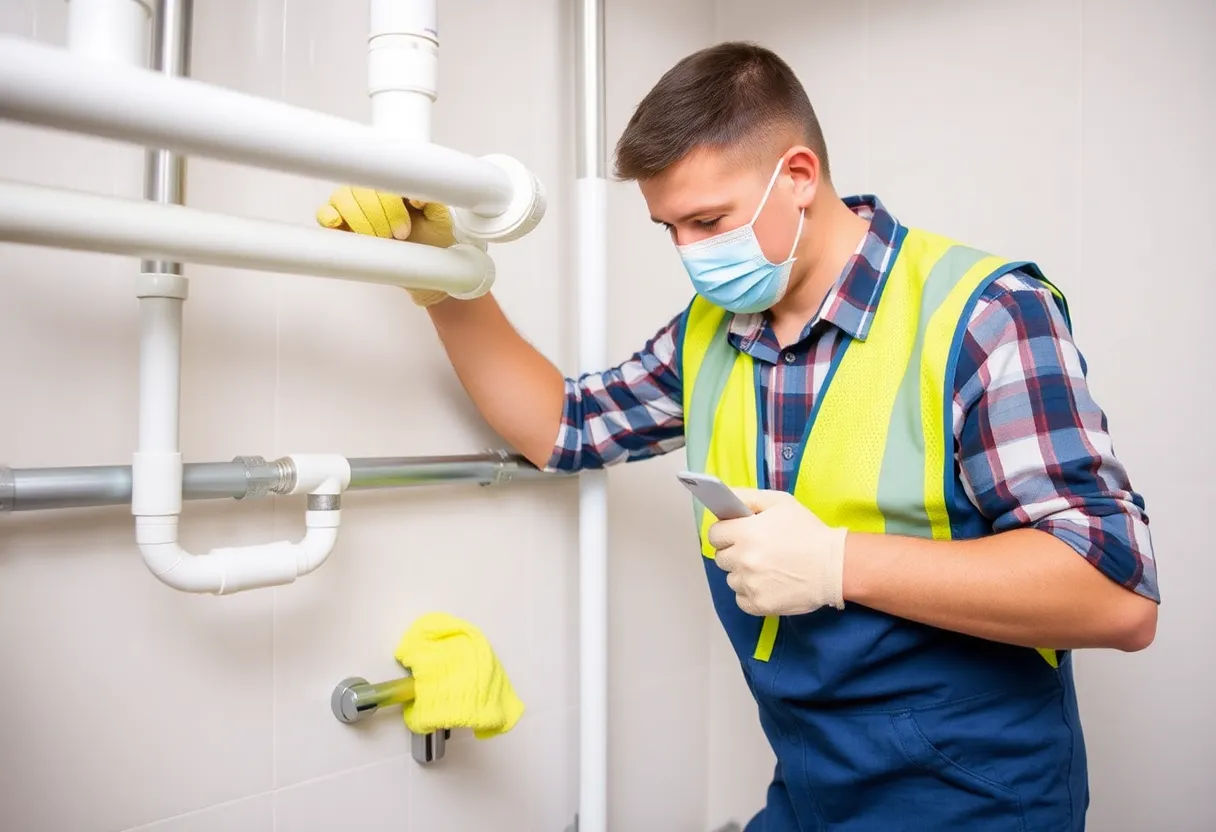
Owning a home comes with a myriad of responsibilities, one of which is ensuring that your plumbing system is operating efficiently. A well-maintained plumbing system is crucial not only for the structure of your home but also for your health and safety. An unexpected plumbing issue can lead to costly repairs, water damage, and even mold growth. To aid homeowners in safeguarding their homes, we’ve compiled the ultimate plumbing checklist that includes 10 essential inspections every homeowner should conduct regularly. With this checklist in hand, you’ll gain the peace of mind that comes from knowing your plumbing system is in good condition.
1. Inspect for Visible Leaks
The first step in your plumbing inspection is to check for any visible leaks. Look under sinks, around toilets, and near bathtubs or showers. Common signs of leaks include:
- Water stains on walls or ceilings
- Damp spots on the floor
- Dripping pipes or fixtures
If you find any leaks, it’s best to address them immediately to prevent further damage.
2. Examine Water Pressure
Water pressure can greatly affect your plumbing system’s overall efficiency. To test the water pressure in your home, use a pressure gauge that can be connected to any faucet. The ideal water pressure ranges from 40 to 60 psi. If you notice your water pressure is too high or too low, it may cause issues like:
- Increased wear and tear on pipes
- Malfunctioning appliances
- Poor drainage
Adjusting water pressure might require a plumber’s assistance if the problem persists.
3. Check the Water Heater
A well-maintained water heater is essential for ensuring consistent hot water availability. Conduct the following checks:
- Inspect for leaks around the base of the heater.
- Check the temperature setting to ensure it’s set between 120°F and 140°F.
- Flush the tank at least once a year to remove sediment buildup.
Ignoring water heater maintenance can lead to extensive repair costs and reduce efficiency.
4. Inspect Drains for Clogs
Regularly inspecting your drains for clogs can save you from significant headaches. To ensure proper drainage, check:
- Sink drains – use a strainer to avoid buildup.
- Shower and bathtub drains – run water to check for slow drainage.
- Floor drains – clear any debris that may have accumulated.
Clearing minor clogs early can prevent the need for professional plumbing services later.
5. Review Bathroom Fixtures
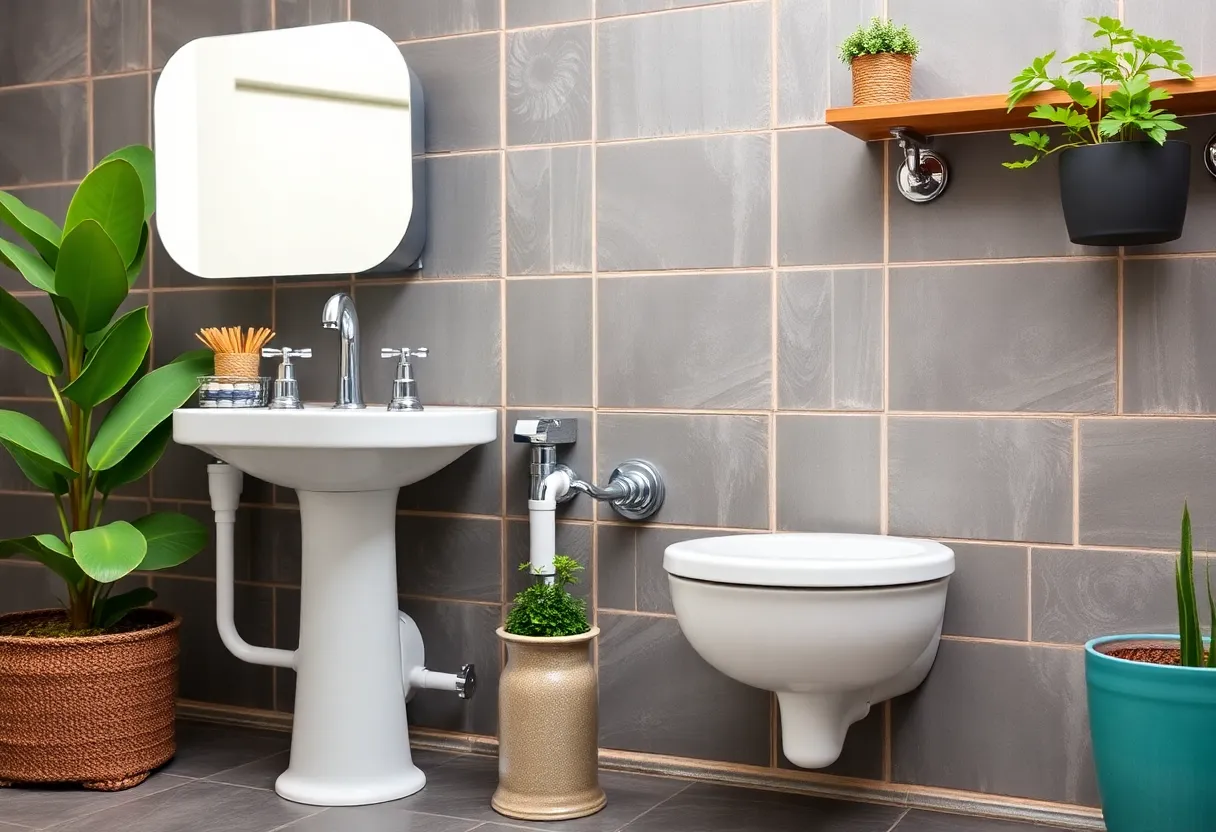
Bathroom fixtures, including faucets, toilets, and showerheads, require an audit to ensure they are functioning correctly:
Faucets
Check for leaks and test the water temperature control. Clogged aerators may reduce water flow, so cleaning or replacing them might be necessary.
Toilets
Test the toilet for leaks by adding food coloring to the tank. If the color seeps into the bowl without flushing, a replacement flapper is needed.
Showerheads
Inspect for mineral buildup and clean or replace as necessary to maintain water flow.
6. Test Sump Pumps
For homes with basements, it is essential to check the sump pump regularly. Follow these steps:
- Pour water into the sump pit to see if the pump activates.
- Check the discharge pipe for any obstructions.
- Ensure the pump is unplugged when not in use, but plugged in when operational.
A functional sump pump can prevent flooding and protect your home’s foundation.
7. Inspect Outdoor Plumbing
Don’t neglect your outdoor plumbing system. Here’s what to look for:
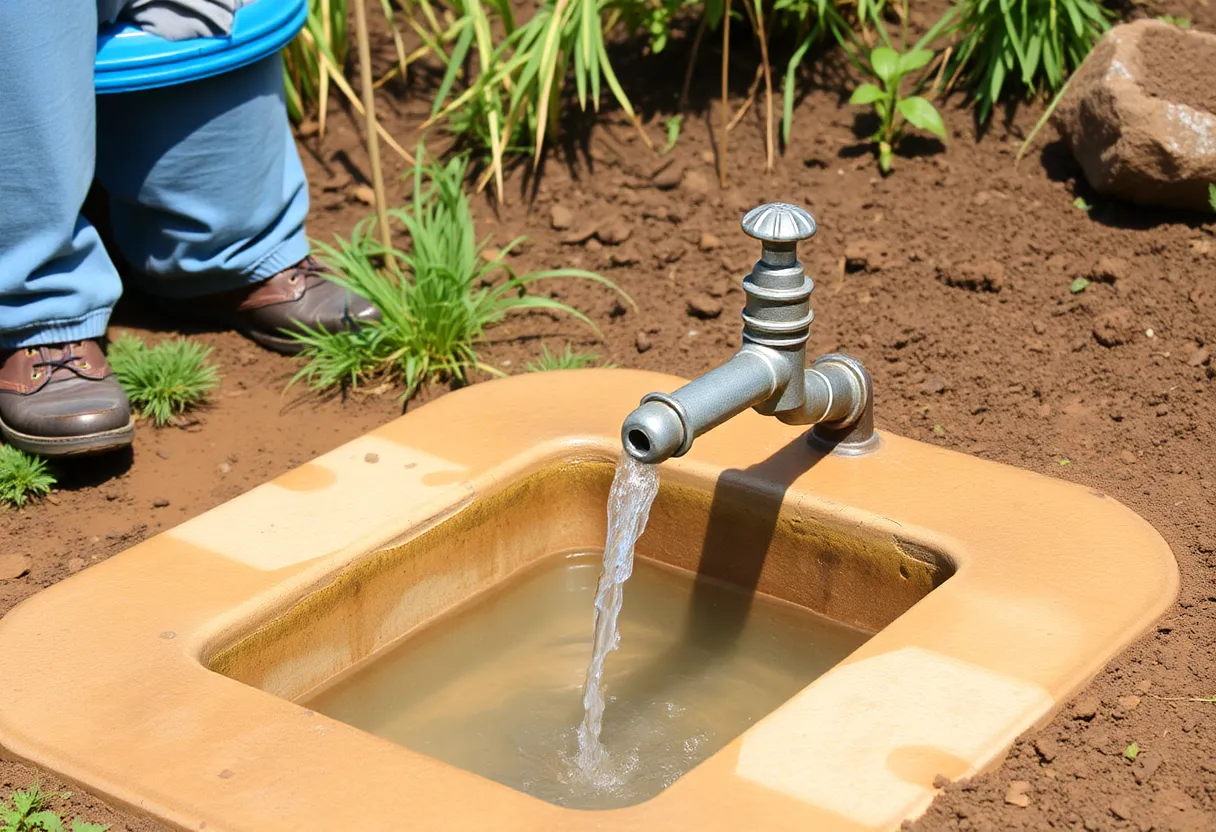
- Check outdoor faucets for leaks or cracks.
- Inspect hoses and connections for wear and tear.
- Look at irrigation systems for potential leaks.
Maintaining these systems helps avoid costly water bills and ensures your landscaping remains healthy.
8. Assess the main sewer line
It’s important to assess the condition of your main sewer line as well. Here are the signs of trouble:
- Slow drains throughout the house
- Multiple clogged drains
- Unpleasant odors emanating from drains
If any of these signs are present, consider professional inspection as sewer line issues can lead to extensive damage.
9. Review Plumbing Insulation
Inspecting your plumbing insulation is particularly important in cold weather climates. Make sure:
- Pipes are insulated to prevent freezing.
- Look for any cracks or exposed sections that require additional protection.
Proper insulation helps save on energy costs while protecting your plumbing systems from extreme temperatures.
10. Schedule a Professional Inspection
Even if you conduct regular inspections, there’s no substitute for a thorough professional plumbing inspection. A licensed plumber will have the expertise to:
- Identify hidden issues not visible during a DIY check
- Ensure compliance with local plumbing codes
- Perform necessary repairs or maintenance on the spot
Consider scheduling a professional inspection at least once a year to keep your plumbing system in optimal condition.
Conclusion
Being proactive with your plumbing inspections can save you both time and money in the long run. By following this plumbing checklist, you can address potential issues before they turn into significant problems. For any repairs or inspections requiring specialized skills or tools, consult with a licensed plumber to ensure the job is done right. Creating a habit of regular plumbing inspections not only contributes to the longevity of your home but also provides the peace of mind every homeowner desires.
FAQs
1. How often should I check my plumbing systems?
It’s recommended to perform a visual inspection of your plumbing systems every 6 months, with a more detailed inspection including a professional plumber at least once a year.
2. Can I clean my drains myself?
Yes, you can use plumbing snakes or chemical cleaners for minor clogs, but severe blockages should be addressed by a professional plumber.
3. What should I do if I find a leak?
If you find a leak, turn off the water supply immediately and contact a plumber to assess and repair the damage.
4. Why is my water pressure low?
Low water pressure can be caused by a clogged pipe, a leak, or issues with the municipal supply. A plumber can identify and resolve the issue.
5. What maintenance does a water heater require?
A water heater should be inspected for leaks, flushed at least once a year, and repaired when temperature settings or performance issues are apparent.