

Plumbing Reimagined: 7 Game-Changing Upgrades to Boost Your Home’s Water Efficiency in 2025
As we approach 2025, it’s becoming increasingly important to consider how our homes consume resources. One of the critical areas that many homeowners overlook is plumbing and its impact on water efficiency. By reimagining traditional plumbing practices and implementing modern innovations, we can significantly improve our homes’ water usage, save on utility bills, and contribute to environmental sustainability.
In this article, we will explore seven game-changing upgrades that can enhance your home’s water efficiency, ensuring you stay ahead in this era of conservation. Whether you are planning a major renovation or just looking to make small adjustments, these upgrades will make a difference in your home’s overall efficiency.
1. Smart Water Meters
Understanding your water consumption is the first step to improving water efficiency. A smart water meter is a digital device that monitors your water usage in real-time. Unlike traditional water meters, which provide monthly readings, smart meters allow you to access data remotely via a smartphone or computer application. Here’s how they work and why they’re essential:
The Benefits of Smart Water Meters
Smart meters help you track daily water usage, identify leaks, and adjust consumption habits accordingly. By having detailed reports at your fingertips, you gain an awareness that empowers you to make informed decisions about your water use. Some benefits include:
- Real-time monitoring: Get instant alerts about unusual spikes in water usage that may indicate a leak.
- Cost savings: Being conscious of your water consumption can directly lead to lower water bills.
- Environmental impact: Reducing water waste contributes to the overall sustainability of water resources.
2. High-Efficiency Toilets
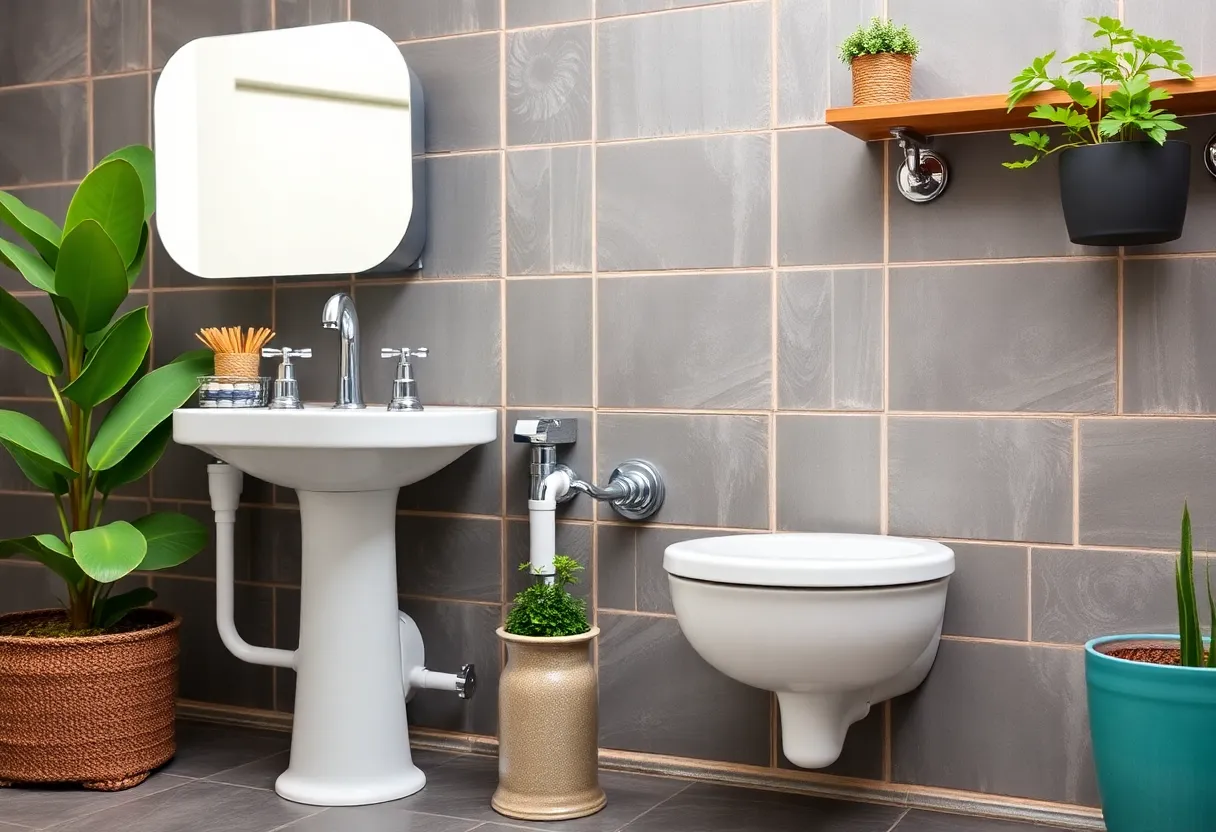
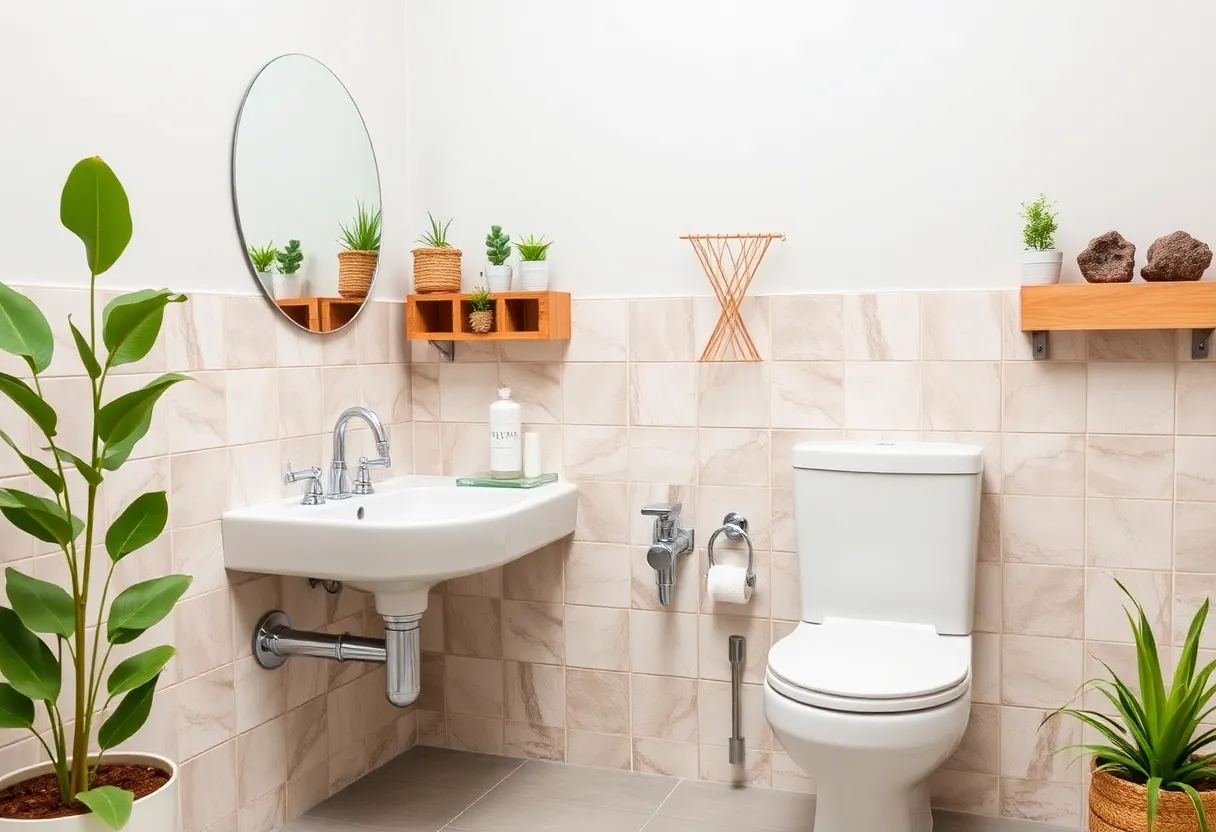
Toilets are notorious for consuming a significant amount of water. Upgrading to high-efficiency toilets (HETs) can drastically reduce water usage without sacrificing performance. HETs use less water per flush compared to traditional models, which often use 1.6 gallons or more.
How to Choose the Right HET
When selecting a high-efficiency toilet, look for models that meet or exceed the EPA’s WaterSense criteria, which typically requires toilets to use no more than 1.28 gallons per flush. This small change can save an average household over 13,000 gallons of water per year.
Key Features to Consider
- Dual-flush systems: These offer a choice between low-volume and full-flush options, making them more versatile.
- Comfort height: Some toilets come in a design that is easier to sit on, especially beneficial for seniors.
- Noise-reducing technology: Look for designs that minimize the noise of flushing.
3. Water-Saving Shower Heads
Shower heads often account for a substantial portion of household water use. By investing in water-saving shower heads, homeowners can not only enjoy a refreshing shower experience but also promote water conservation without sacrificing comfort.
Benefits of Upgrading Shower Heads
Modern water-saving shower heads use less than 2.5 gallons per minute compared to older models that can use 5 gallons or more. This upgrade can lead to significant savings:
- Reduced water bills: Less water consumption means lower monthly utility costs.
- Improved pressure: Many water-efficient shower heads are designed to maintain pressure while using less water.
- Sleek designs: Modern aesthetics cater to various tastes, enhancing your bathroom’s appeal.
4. Leak Detection Systems
Water leaks can go undetected for long periods, leading to higher water bills and serious damage to your property. A leak detection system can help identify and alert you to leaks before they become expensive problems.
How Leak Detection Works
These systems use sensors placed in key areas of your home to monitor for moisture and unusual changes in water flow. If a leak is detected, they send alerts to your smartphone, allowing for immediate action.
Key Features to Look For:
- 24/7 monitoring: Constant surveillance means you are always aware of your plumbing’s status.
- Alert notifications: Alerts can be sent via text or app notifications, giving you peace of mind.
- Remote shut-off: Advanced systems can automatically shut off your water supply to prevent flooding.
5. Greywater Recycling Systems
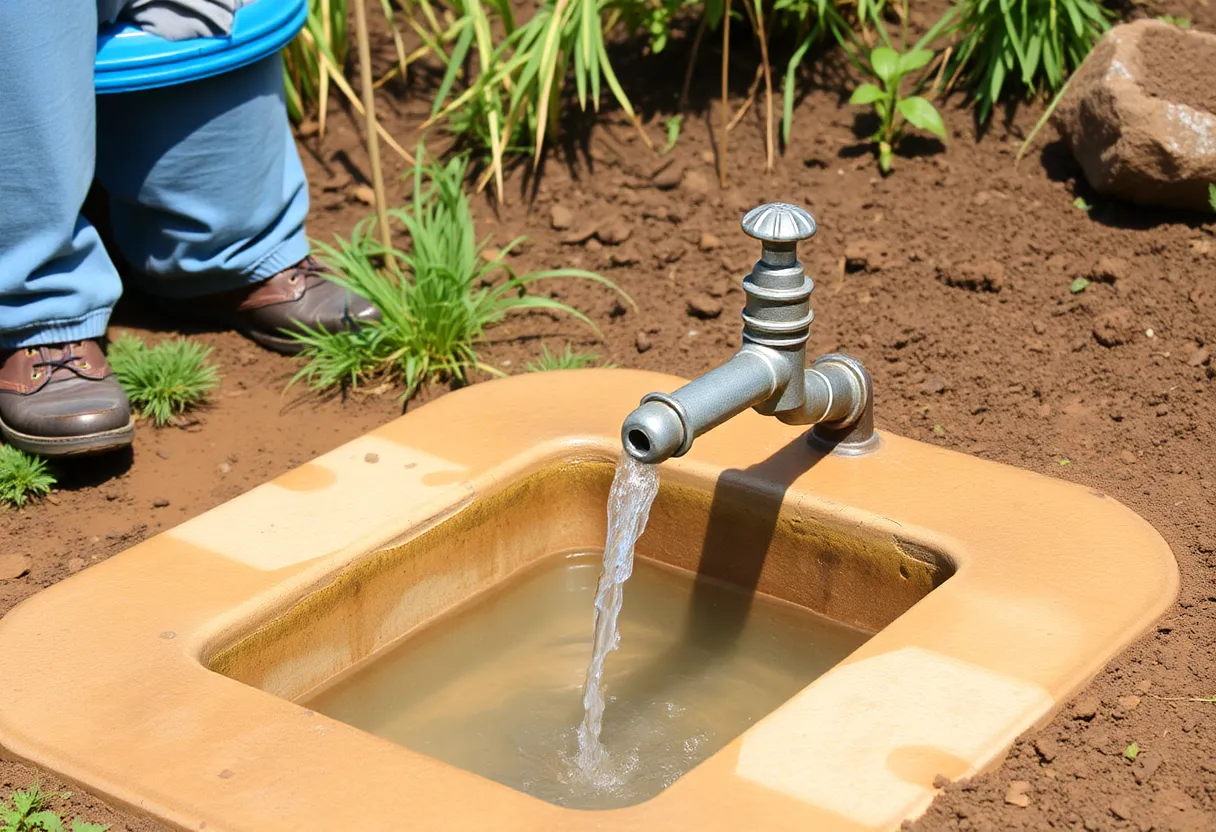
Recycling water used in your home is not just eco-friendly; it can also cut down on your water bills. Greywater recycling systems capture wastewater from showers, sinks, and washing machines to be repurposed for watering gardens or flushing toilets.
How These Systems Work
Greywater systems filter and purify the wastewater to ensure it is safe for reuse. This process reduces the demand for fresh water in non-potable applications, saving money and resources.
Considerations for Installation
- Permitting: Some areas may have regulations on greywater systems, so familiarize yourself with local laws.
- Maintenance: Regular servicing is essential for efficiency and to prevent issues.
- Initial investment: Although they can be costly to install, the long-term savings and environmental benefits make them worthwhile.
6. Efficient Irrigation Systems
If you have a garden or lawn, optimizing your irrigation system can significantly impact your water usage. Smart irrigation controllers utilize weather data and soil moisture levels to deliver precisely the amount of water needed.
Benefits of Smart Irrigation Controllers
These systems automate and optimize watering schedules, ensuring plants receive water based on actual conditions rather than set schedules. This leads to healthier landscapes and reduced waste. Some benefits include:
- Adaptive scheduling: Automatically adjusts watering based on rain forecasts and existing soil moisture.
- Remote control: Manage your watering system from your smartphone to ensure optimal efficiency.
- Water conservation: Potentially save 30-50% of water used for irrigation.
7. Pipe Insulation
Insulating your home’s pipes is often overlooked but can significantly impact your home’s water efficiency. When water pipes are cold, it takes longer for hot water to reach your tap, leading to wasted water as you wait.
Advantages of Insulating Pipes
By insulating both hot and cold water pipes, you can maintain the temperature of the water, reduce energy costs, and prevent heat loss:
- Faster hot water delivery: Enjoy hot water almost instantly, eliminating waste during wait times.
- Energy savings: Reduce the amount of energy required to heat water.
- Preventing frozen pipes: Insulation helps prevent pipes from freezing in colder weather, reducing the risk of bursts.
Conclusion
Reimagining your plumbing system isn’t just about aesthetics or comfort; it’s about creating a home that prioritizes water efficiency and sustainability. Each of these upgrades—smart water meters, high-efficiency toilets, water-saving shower heads, leak detection systems, greywater recycling systems, efficient irrigation systems, and pipe insulation—can help reduce your water usage while saving money in the long run.
As we move towards 2025 and beyond, implementing these game-changing upgrades will not only contribute to personal savings but also promote a more sustainable environment. So take the first step: evaluate your current plumbing state and consider making the investments needed to transform your home into a model of water efficiency!