


The Plumbing Playbook: 7 Essential Strategies to Enhance Water Efficiency in Your Home
In today’s world, the importance of _water efficiency_ cannot be overstated. As global water supplies become increasingly strained and utility bills rise, homeowners are searching for practical solutions to minimize water consumption without sacrificing comfort. By implementing strategic changes and upgrades, you can create a more sustainable living environment while saving money on water bills. In this article, we will outline seven essential strategies that will help you enhance water efficiency in your home.
1. Fixture Upgrades: The First Line of Defense
The most effective way to enhance water efficiency is by upgrading your plumbing fixtures. Traditional fixtures often consume unnecessary amounts of water, whereas modern, water-efficient replacements can drastically reduce usage. Focus on the following areas:
Toilets
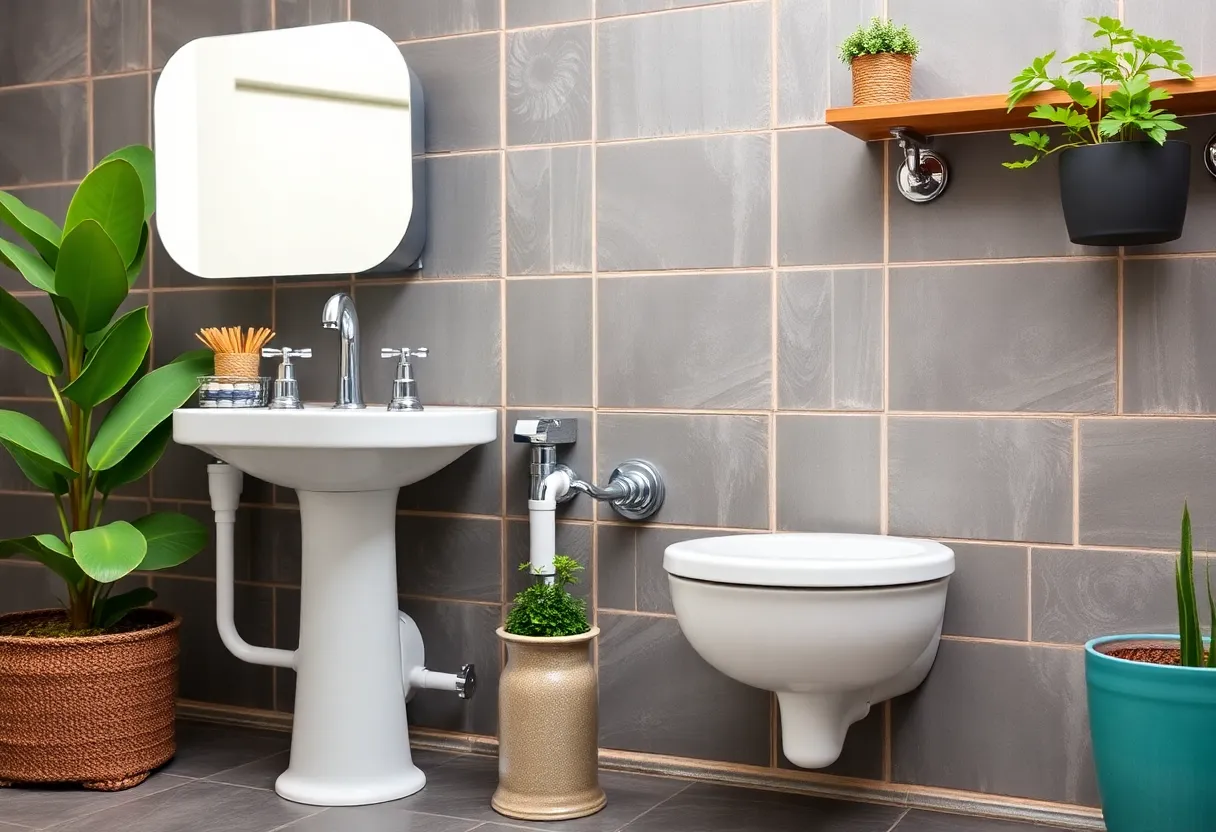
Old toilets can use as much as _3.5 to 7 gallons_ per flush, whereas newer models, especially those marked with the _WaterSense label_, use only _1.28 gallons_ or less. Replacing your toilet with a high-efficiency model can yield significant water savings over time.
Showerheads
Standard showerheads typically flow at _2.5 gallons_ per minute, leading to high water consumption during showers. By installing low-flow showerheads that limit flow to _2.0 gallons_ per minute or less, you can cut down on both water usage and energy costs.
Faucets
Similar to showerheads, traditional faucets can waste a considerable amount of water. Opting for aerated faucets that use _1.5 gallons_ per minute or lower can help maintain pressure while reducing water waste. Consider adding aerators to existing faucets for immediate improvement.
2. Behavioral Changes: Small Adjustments Make a Big Difference
Changing your habits is one of the simplest and most effective ways to decrease water usage. Implement the following behavioral adjustments:
Shorter Showers
Reducing your shower time by just a couple of minutes can save gallons of water daily. Aim for a maximum of _5 to 10 minutes_ per shower to ensure efficiency.
Mindful Dishwashing
Instead of letting the water run while washing dishes, fill one basin with soapy water and another with rinse water. This simple switch can save a significant amount of water each time you clean up.
Report Leaks
Leaky faucets and toilets may seem minor, but they can waste gallons of water each day. Regularly inspect your home for leaks and fix them promptly to prevent this waste.
3. Smart Water Solutions: Technology Meets Efficiency
Embrace smart technology to take your water efficiency to the next level. Modern innovations can help monitor and control your water usage in real-time. Here are a few smart solutions:
Smart Irrigation Systems
Replacing traditional sprinkler systems with smart irrigation systems allows for programmable watering schedules based on weather conditions. These systems can reduce outdoor water usage by up to _30%_.
Water Monitoring Systems
Invest in a smart water monitoring system that tracks your water usage. These tools offer insights into consumption patterns and can alert you to unusual spikes, potentially pointing to leaks or inefficiencies.
Tankless Water Heaters
Consider switching to a tankless water heater, which heats water on demand and eliminates the need for storage, reducing both energy consumption and the risk of hot water waste.
4. Landscaping for Efficiency: Xeriscaping and Native Plants
Outdoor water usage can account for a significant portion of your household consumption, especially in warmer climates. Adopting water-efficient landscaping techniques can drastically reduce this consumption:
Xeriscaping
Xeriscaping is a landscaping method that uses drought-tolerant plants and minimal irrigation to create beautiful, sustainable gardens. By doing this, you can reduce outdoor water use by up to _60%_.
Choosing Native Plants
Native plants are well adapted to local climates and typically require less water and maintenance. By incorporating native species into your landscape, you can create a thriving garden while conserving water.
5. Greywater Recycling: Harnessing Wastewater
Greywater refers to water that has been used in your home for washing or cleaning but is still suitable for reuse. Implementing a greywater recycling system can significantly enhance water efficiency:
Understanding Greywater Sources
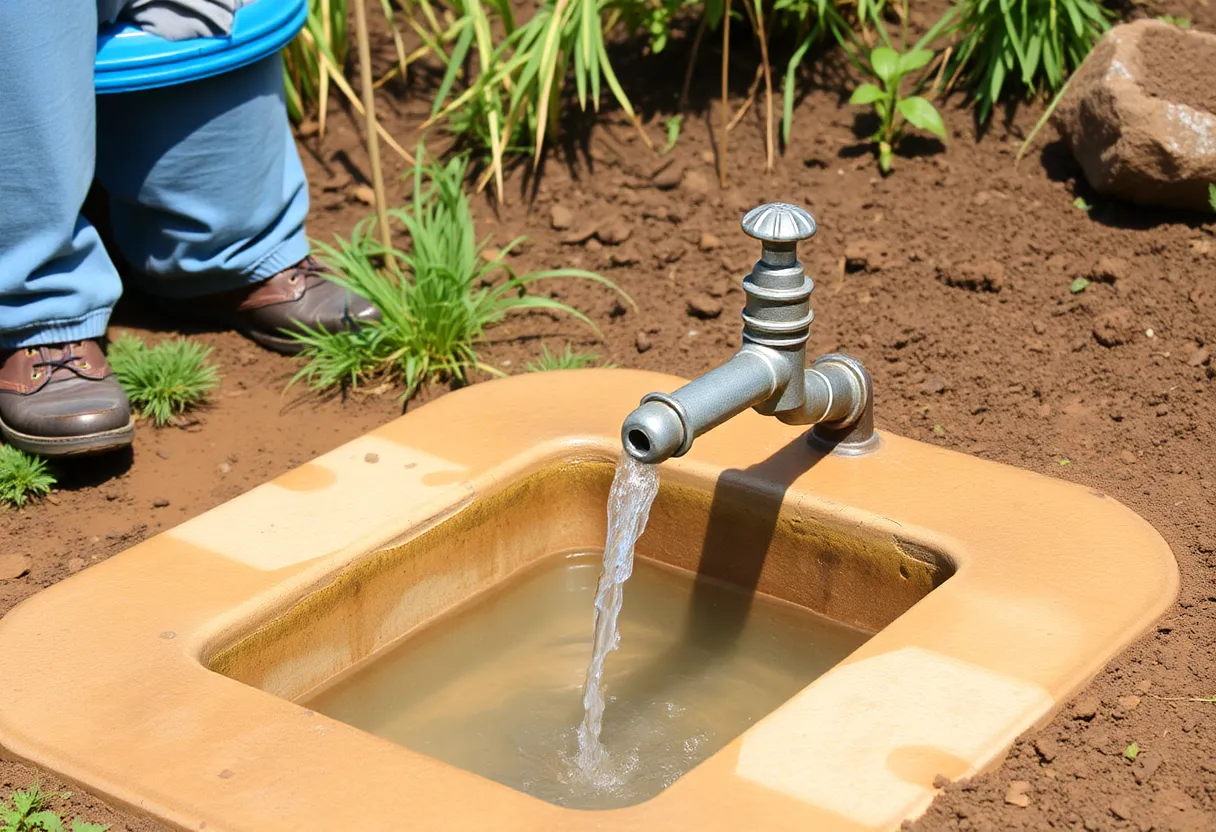
Greywater can be collected from sinks, showers, and washing machines. Unlike black water, which comes from toilets, greywater is safe for irrigation and can help reduce overall water demand.
Setting Up a Greywater System
Consider installing a greywater recycling system that connects your home’s plumbing to your garden. This allows you to reuse water for irrigation, minimizing the need for fresh water from your local supply.
6. Efficient Appliances: Save Water and Energy
Upgrading to water-efficient appliances not only saves water but also reduces energy consumption. Focus on replacing:
Washing Machines
Older washing machines can use up to _40 gallons_ of water per load, whereas newer models use as little as _15–30 gallons_. Look for the _Energy Star label_ to ensure maximum efficiency.
Dishwashers
Modern dishwashers are designed to conserve water and energy. Many models use only _3–5 gallons_ per load, compared to running the faucet for washing dishes manually. Switching ensures that you save both water and time.
7. Mental Awareness: Cultivating Water Stewardship
Ultimately, enhancing water efficiency starts with a mindset focused on conservation. Consider the following strategies to cultivate awareness:
Educating Your Family
Discuss water conservation practices with your family members, emphasizing the importance of water efficiency in your daily lives. Encourage everyone to be mindful of their water usage.
Setting Goals
Create concrete water-saving goals for your household. Track your usage over time and celebrate milestones to foster a sense of accomplishment and motivation to continue conserving.
Community Involvement
Participate in community initiatives that promote water conservation, such as local clean-up days, education campaigns, or gardening workshops focused on native plants.
Conclusion
Enhancing water efficiency in your home is not just an eco-friendly practice; it’s a smart financial decision as well. By following these seven essential strategies, you’ll take significant steps towards reducing your water consumption and lowering utility bills. From upgrading fixtures to embracing smart technology and changing behaviors, every action contributes to a more sustainable lifestyle. Remember that small changes in your daily routine can lead to significant impacts over time. Start your journey to water efficiency today!