

The Plumbing Detective: 9 Signs Your Home’s Water System Is Crying for Help
Your home’s plumbing system is the unsung hero of your daily routine. We often take for granted the convenience of clean water and effective waste removal. However, just like any intricate system, plumbing can encounter problems along the way. Being a homeowner means that you must occasionally play the role of a detective, identifying potential issues before they develop into serious emergencies. In this article, we will delve into nine critical signs that your plumbing system needs immediate attention. Remember, early detection is key to saving money and avoiding catastrophic failures. Let’s begin our investigation!
1. Unexplained Water Bills
One of the first indicators that something might be off within your water system is an unexplained increase in your water bill. If you notice a spike that doesn’t correlate with your usage habits—like a rise in guests or seasonal changes—it’s time to investigate. Leaks, drips, or inefficient appliances can all contribute to a higher bill.
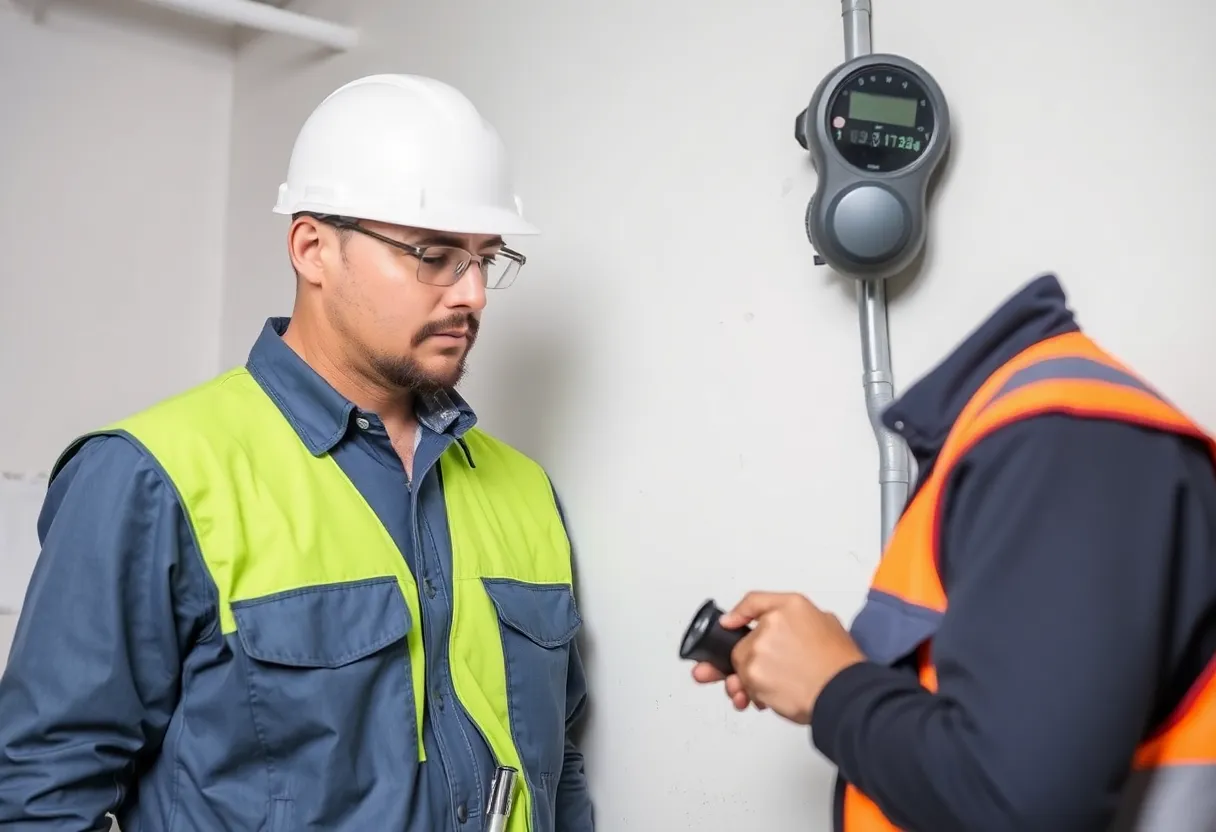
To pinpoint the issue, start by checking your water meter when no water is being used. If the meter continues to run, there’s a good chance you have a leak somewhere within your plumbing. Take time to inspect visible pipes for any signs of moisture or water pooling.
2. Low Water Pressure
Low water pressure can be frustrating when you’re trying to take a shower, wash dishes, or water your lawn. Several factors could contribute to this issue, including poor pipe condition, clogging, or even problems with the municipal supply.
Begin your investigation by checking the pressure at multiple faucets in your home. If the issue is limited to a specific area, you may be dealing with a localized clog. On the other hand, if all faucets are affected, it may point to a more serious problem within your plumbing system.
3. Unpleasant Odors
One of the telltale signs that your plumbing requires immediate attention is the presence of unpleasant odors. Foul smells can indicate clogged pipes or malfunctioning sewer systems. If you detect a sewage-like smell, it’s crucial to act swiftly—this could be a sign of a blockage in your main sewer line.
Additionally, stagnant water or decaying organic matter within your pipes can cause unpleasant odors to waft through your home. Clean your drains regularly to minimize the occurrence of buildup and unpleasant smells.
4. Visible Signs of Water Damage
Inspecting your home for visible signs of water damage is crucial in preventing long-term issues. Look for st discoloration on walls or ceilings, bubbling paint, or warping. If these signs appear, it likely means your plumbing or roof is leaking.
Water stains and mold growth can develop quickly and can lead to more than just unsightliness—prolonged moisture can compromise structural integrity and lead to health risks. It’s essential to address leaks as soon as they are found.
5. Frequent Pipe Banging
If you hear banging noises in your pipes, it’s not just a figment of your imagination; it can signify a plumbing problem known as “water hammer.” This occurs when the flow of water is abruptly stopped, creating a shock wave. Frequent banging could point to air in the pipes, loose fittings, or high water pressure.
To remedy this, check your water pressure with a gauge. It should be within the range of 40 to 60 psi. If pressure is too high, consider investing in a pressure-reducing valve to avoid future issues.
6. Slow or Clogged Drains
Slow or clogged drains are a common annoyance, but they can also indicate bigger plumbing concerns. While minor clogs can often be fixed with a plunger or drain cleaner, persistent problems may require professional assistance.
Regular maintenance is crucial in preventing slow drains. Common causes include hair, grease, or foreign objects in the pipes. If you find that sinks, tubs, or toilets frequently clog, it’s worth investigating the plumbing layout for deeper issues.
7. Mold and Mildew Growth
If you notice mold and mildew in areas where there usually shouldn’t be any, this could be an indication of a plumbing issue. Mold thrives in damp conditions, and if there are hidden leaks behind walls or under floors, that moisture could lead to serious mold issues.
Any sign of mold should prompt an inspection to eliminate the source of moisture. Beyond the potential health hazards, mold can also cause structural damage to your home, making this a crucial sign to take seriously.
8. Bubble or Gurgling Noises
Bubbling or gurgling noises coming from your drains or toilets can indicate air or blockages within your plumbing system. When water struggles to flow freely through pipes, it can create vacuum pressure that results in these unsettling sounds. The presence of such noises should be taken as an early warning sign of potential clogs or sewer line issues.
If you detect these sounds, it’s a good idea to schedule an inspection to identify and resolve the problem before it escalates.
9. Water Stains on the Floor or Walls
Seeing water stains on your flooring or walls should raise an immediate red flag. Discoloration indicates moisture intrusion which could stem from leaks in pipes, roofs, or walls. Left unchecked, these stains may lead to mold growth or structural damage over time.
Take immediate action if you notice water stains forming, as the longer you wait to address the issue, the costlier repairs may become. Combating water stains often involves identifying the source of the leak and repairing or replacing damaged materials.
Why It’s Crucial to Address Plumbing Issues Early
Ignoring signs that your plumbing system needs repair can lead to more severe issues over time. Early intervention not only saves you money but also maintains the integrity of your home. A simple leak could turn into a full-blown flood if left unattended. Here’s why it’s important to act quickly:
Cost Savings
Plumbing repairs can quickly add up, especially when extensive damage occurs. By addressing issues as soon as they are detected, you can often save significant money on repairs and water bills.
Health Concerns
Water leaks contribute to mold and mildew growth, which can lead to serious health complications for you and your family. Ensuring your water system is in good working condition helps promote a safe and healthy home environment.
Preventing Further Damage
Major plumbing issues can compromise the structural integrity of your home. By acting swiftly to fix minor problems, you can prevent water damage that could affect your walls, foundation, and flooring.
Final Thoughts
Your plumbing system may not always be front of mind, but keeping an eye out for these nine signs can help you ensure it remains in good working condition. By maintaining awareness of your plumbing system’s performance, you can save money, protect your home, and enjoy peace of mind.
Always consult with a qualified plumbing professional when addressing major plumbing issues to ensure proper assessment and repairs. Remember, your home deserves the best care, and your plumbing system is no exception!