

The Plumbing Refresh: 8 Essential Tips for Reviving Your Home’s Water System Before Winter Hits
As winter approaches, ensuring that your home’s plumbing system is ready to tackle the challenges of the colder months is crucial. Plumbing issues can arise from freezing temperatures, leading to pipes bursting, water damage, and expensive repairs. Thus, _taking the time to refresh your plumbing system_ before winter can save you from unnecessary hassles. Below, we outline eight essential tips to help you ensure your plumbing is in tip-top shape for the winter season.
Tip 1: Inspect Pipes for Leaks and Damage
The first step in your plumbing refresh is to carefully inspect your pipes for any signs of _leaks or damage_. This includes checking both visible pipes and those hidden under floors or in walls.
How to Conduct a Pipe Inspection:
- Check exposed pipes in basements, crawl spaces, and under sinks.
- Look for signs of rust, corrosion, or wet spots that indicate potential leaks.
- Be on the lookout for any unusual sounds, such as dripping or hissing, coming from the pipes.
If you find any issues, it’s best to address them immediately to prevent further damage when temperatures drop.
Tip 2: Insulate Vulnerable Pipes
To prevent pipes from freezing during the cold months, ensure that _all vulnerable pipes are properly insulated_. This primarily affects pipes in unheated areas of the home like the garage, attic, and exterior walls.
Insulation Options:
- Foam Pipe Insulation: This is a popular and effective choice for most residential plumbing.
- Heat Tape: This electrical tape can be wrapped around pipes to keep them warm.
- Old Towels and Blankets: In a pinch, these can provide temporary insulation until you can install proper materials.
Implementing insulation can protect your pipes and help you save on heating costs.
Tip 3: Check Your Water Heater
Your water heater undergoes intense use during winter, making it essential to ensure it’s in good working order. _A well-maintained water heater can prevent any unexpected cold showers when you need hot water the most_.
Water Heater Maintenance Checklist:
- Flush the tank to remove sediment that has accumulated over time.
- Inspect and replace the anode rod if necessary.
- Test the pressure relief valve to ensure it operates correctly.
Regular maintenance of your water heater can prolong its lifespan and improve its efficiency.
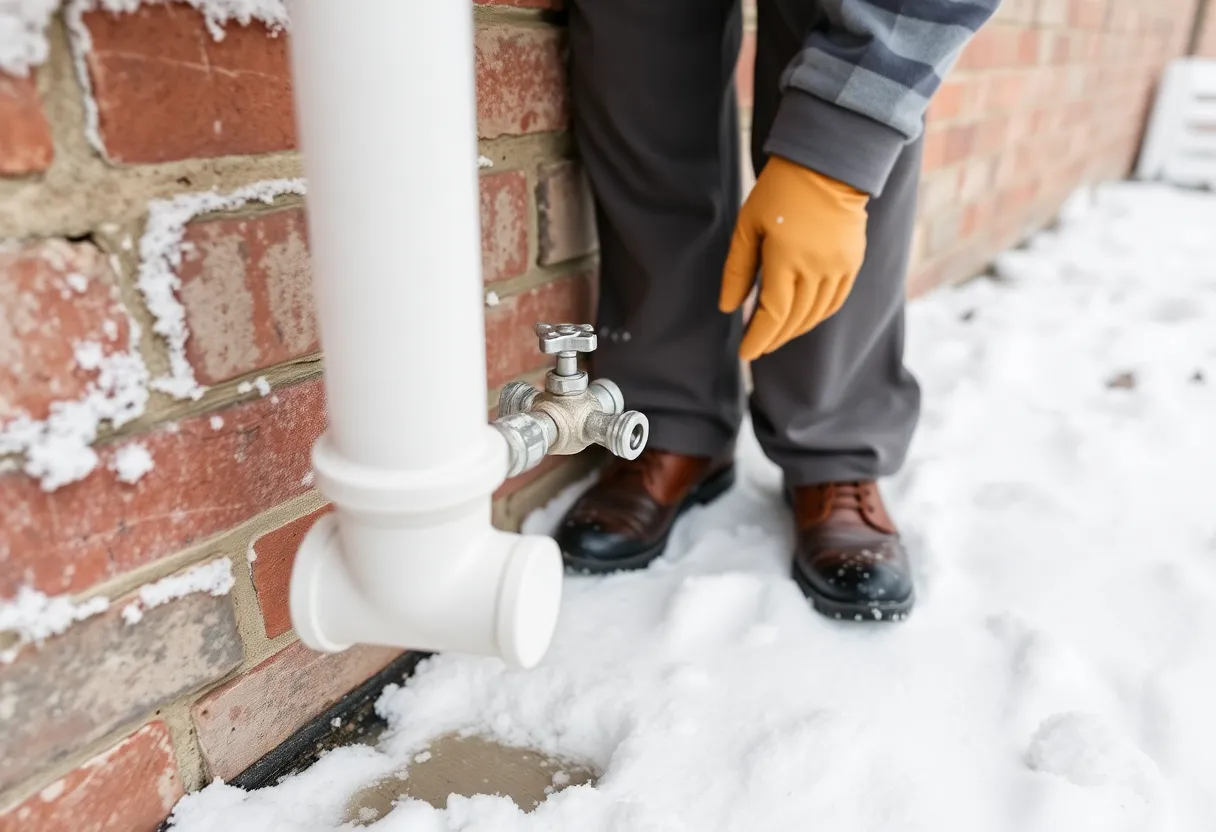
Tip 4: Drain and Store Outdoor Hoses
Before winter sets in, it’s vital to _drain and store your outdoor hoses_. Leaving hoses connected to faucets can lead to water freezing in the pipes, causing them to burst.
Steps to Properly Drain Hoses:
- Disconnect hoses from all exterior faucets.
- Drain them completely, ensuring no water remains inside.
- Store them in a dry and sheltered area to prevent damage from freezing temperatures.
Taking these steps helps maintain your hoses while protecting your plumbing system.
Tip 5: Seal Cracks and Openings
Cold air can find its way into your home through small cracks and openings, putting additional stress on your plumbing. _Sealing these gaps is an important step to keep your plumbing safe from the cold_.
Where to Look for Gaps:
- Windows and doors
- Vents and exhaust fans
- Areas where pipes enter the house
Use caulk, insulation foam, or weather stripping to seal up these gaps. As a result, you’ll reduce drafts and help maintain a consistent temperature throughout your home.
Tip 6: Prepare Your Sump Pump
If your home has a sump pump, it’s integral to ensure it’s _ready to handle any excess water during winter_. Snow and ice melting can create a lot of water, and a properly functioning sump pump can help manage this.
Preparing Your Sump Pump:
- Test the pump by pouring water into the pit to see if it activates.
- Inspect the discharge pipe to ensure it directs water away from your foundation.
- Clean any debris from the sump pit to prevent clogs.
Taking care of your sump pump can save you from potential flooding and water damage.
Tip 7: Locate Your Main Shutoff Valve
Knowing where your main shutoff valve is located can be invaluable during an emergency. _In case of a burst pipe or a severe leak, you want to be able to quickly shut off the water supply_.
What to Do:
- Identify the location of your main shutoff valve; it’s typically found near the water meter.
- Test the valve to ensure it operates smoothly.
- Consider labeling it clearly for ease of access during an emergency.
Being prepared can save you significant time and damage in case of plumbing issues.
Tip 8: Schedule a Professional Plumbing Inspection
While you can perform basic inspections and maintenance, scheduling a _professional plumbing inspection_ can provide you with peace of mind and expert insight into your plumbing system’s condition.
What to Expect During a Professional Inspection:
- Thorough inspection of all plumbing components, including pipes, water heaters, and fixtures.
- Advice on necessary repairs or upgrades to prevent winter-related issues.
- Recommendations for regular maintenance to extend the life of your plumbing system.
A professional inspection can uncover potential problems before they escalate, saving you money and stress in the long run.
Conclusion
The winter months pose unique challenges for your home’s plumbing system. By following these eight essential tips, you can ensure that your plumbing is robust and ready to handle whatever winter has to throw at it. _Investing time and effort into these tasks now can save you from costly repairs and disruptions in the future_. Take charge of your plumbing refresh before winter hits, and enjoy a worry-free cold season!
FAQ
1. What are the signs of pipe leaks?
Signs of pipe leaks include rust, corrosion, wet spots on walls or ceilings, and unusual sounds such as dripping or hissing.
2. How can I properly insulate my pipes?
Insulation options include foam pipe insulation, heat tape, and temporarily using old towels and blankets.
3. How do I maintain my water heater?
Maintenance involves flushing the tank, inspecting and replacing the anode rod, and testing the pressure relief valve.
4. When should I drain and store outdoor hoses?
It is best to drain and store outdoor hoses before winter to prevent water from freezing in pipes.
5. What is a sump pump, and why is it essential?
A sump pump helps manage excess water during heavy snowfall or thawing by pumping it away from your home’s foundation.