

The Plumbing Checklist: 10 Essential Maintenance Habits to Enhance Your Home’s Water Efficiency
In today’s world, where water preservation is critical and the costs of utilities continue to rise, ensuring that our homes are equipped with water-efficient plumbing systems has become paramount. By conducting regular maintenance and adopting some best practices, homeowners can improve their home’s water efficiency significantly. This article outlines ten essential maintenance habits that will not only boost your home’s water efficiency but also prolong the lifespan of your plumbing system.
1. Regularly Inspect for Leaks
One of the most effective ways to enhance your home’s water efficiency is by regularly inspecting for leaks. Even a small leak can waste a significant amount of water over time. Here’s what to inspect:
Indoor Inspections
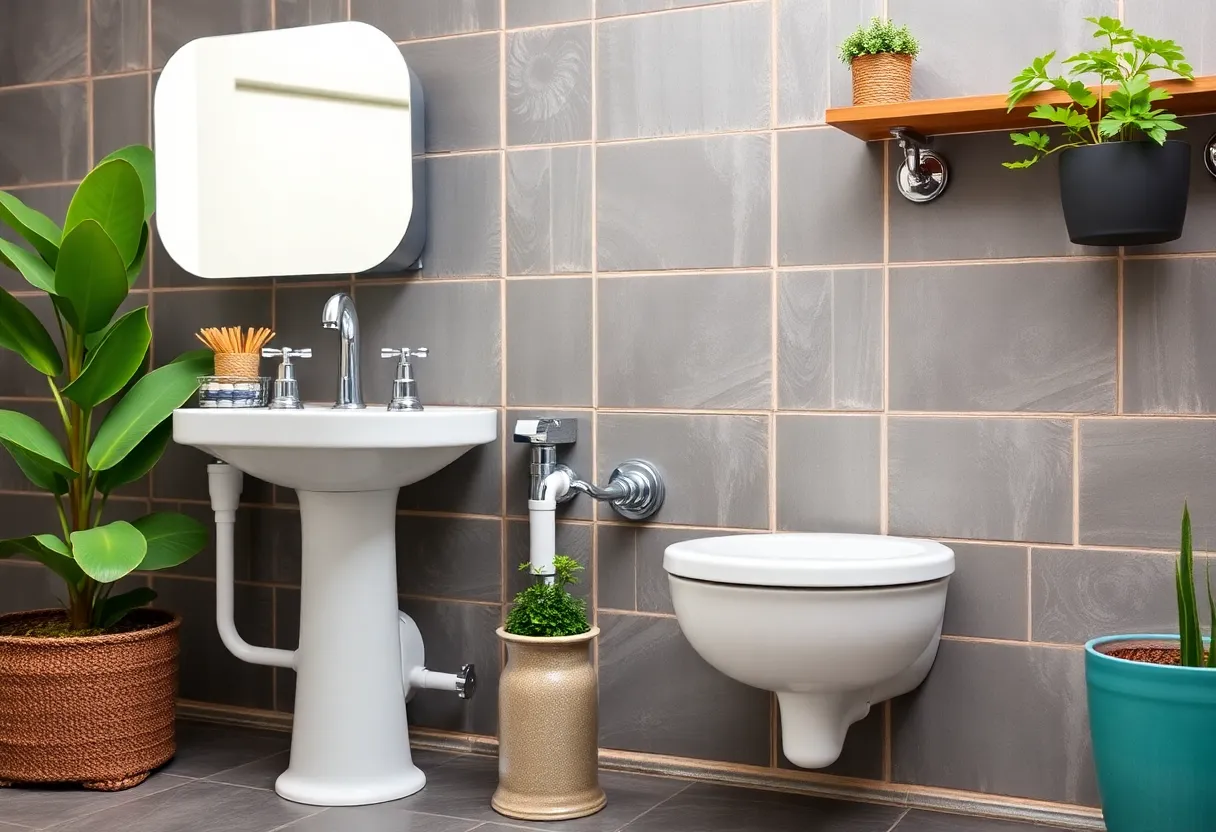
- Check faucets and showerheads for drips.
- Examine exposed pipes for any signs of moisture or corrosion.
- Monitor the toilet for silent leaks by adding a few drops of food coloring to the tank and observing if the color seeps into the bowl.
Outdoor Inspections
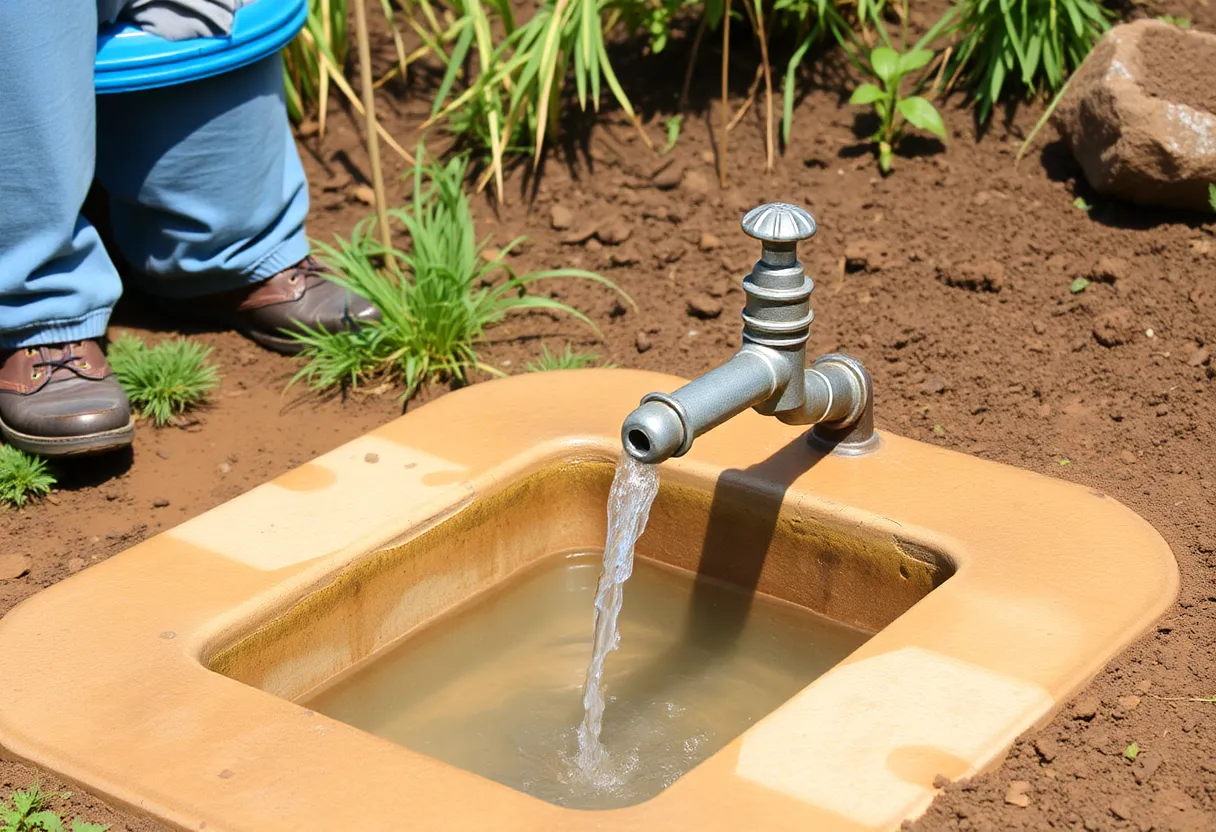
- Inspect garden hoses, irrigation systems, and outdoor faucets.
- Look for any wet patches in your yard that could indicate an underground leak.
2. Maintain Your Water Heater
Your water heater is one of the most energy-consuming appliances in your home. Regular maintenance can dramatically enhance its efficiency. Follow these guidelines:
- Flush your water heater at least once a year to remove sediment buildup.
- Check the anode rod every couple of years and replace it if it’s corroded.
- Ensure the temperature is set no higher than 120°F to save energy and reduce the risk of scalding.
3. Install Low-Flow Fixtures
Switching to low-flow faucets and showerheads is an excellent way to conserve water without sacrificing performance. These fixtures are designed to reduce water flow while maintaining pressure, which contributes greatly to water efficiency:
- Low-flow showerheads use approximately 2.5 gallons per minute compared to the standard 5 gallons.
- Low-flow faucets can reduce water use by a third or more.
4. Use a Drain Screen
Installing a drain screen in your sinks, tubs, and showers can save water by preventing clogs and costly plumbing problems. Here are the benefits:
- Prevent large clogs that can require extensive plumbing work.
- Reduce the need for chemical drain cleaners that are harmful to plumbing systems and the environment.
5. Practice Smart Water Usage
Incorporating smart water usage habits can make a significant difference in your water bills. Implement the following practices:
- Turn off the tap while brushing your teeth or shaving.
- Only run the dishwasher or washing machine with a full load.
- Opt for shorter showers in place of baths whenever possible.
6. Check and Adjust the Pressure
Excess water pressure can lead to leaks and wasted water. Using a pressure gauge, you can measure the pressure of your plumbing system:
- The optimal water pressure is between 40-60 psi (pounds per square inch).
- If the pressure is too high, consider installing a pressure-reducing valve to maintain the proper flow.
7. Insulate Your Pipes
Insulating your pipes, especially those in colder areas of your home, can help to prevent freezing and reduce water wastage. This will also enhance the efficiency of your heating systems. Here’s how:
- Use foam pipe insulation sleeves for exposed pipes.
- Insulate your hot water pipes to keep water hot while reducing the waiting time for hot water at the tap.
8. Know Your Water Meter
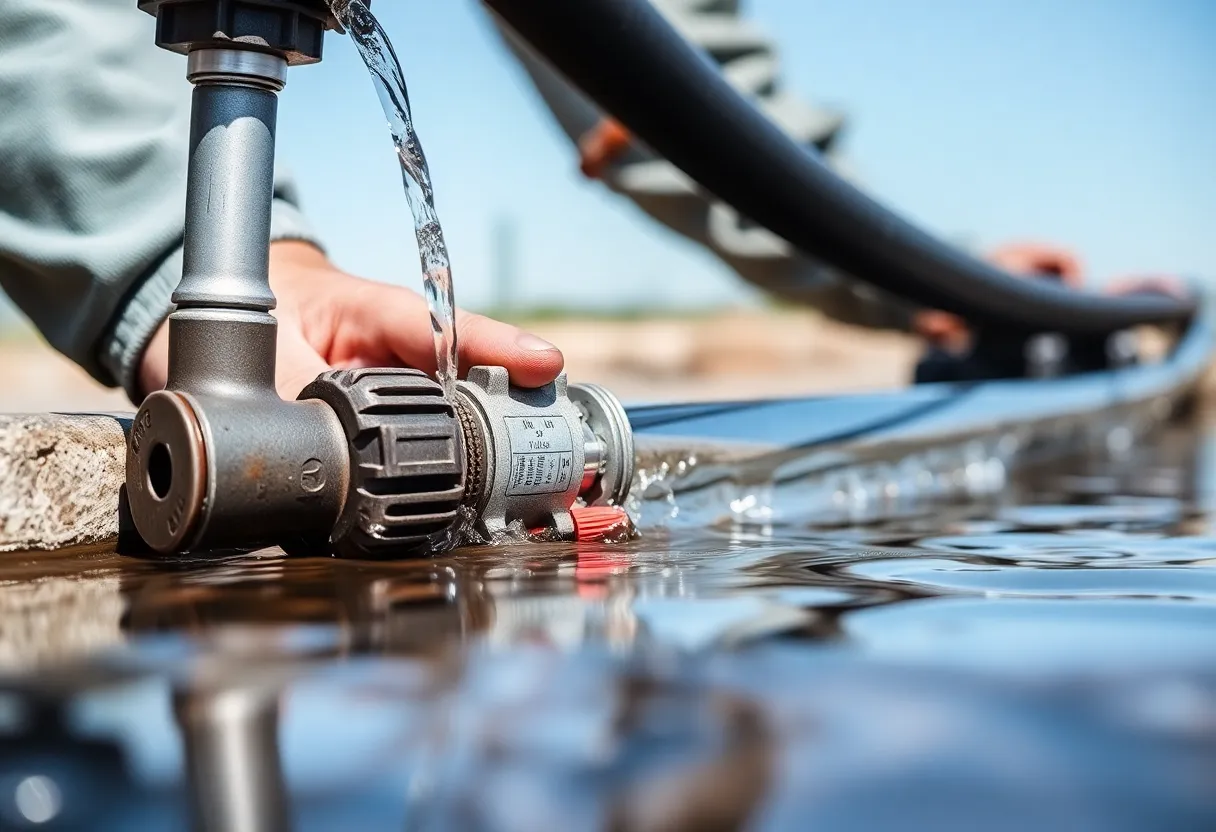
Being familiar with your water meter can help you detect anomalies in your water usage that could indicate leaks or inefficiencies:
- Take a reading when you believe no water is being used in your home and then check back after a few hours.
- If the reading has changed significantly, investigate further for potential leaks.
9. Schedule Professional Plumbing Inspections
Engaging a professional plumber for routine inspections can uncover issues that you might overlook. Here’s what a plumber can assess:
- Inspecting pipe integrity and identifying any hidden leaks.
- Evaluating the condition of the sewer line.
- Recommending upgrades or repairs on older plumbing systems.
10. Reevaluate Irrigation Systems
Your outdoor watering systems can contribute significantly to water usage. Irrigation systems can be optimized for better efficiency:
- Use timers or smart irrigation controllers that adjust watering based on rainfall and weather conditions.
- Consider drip irrigation systems that deliver water directly to the plant roots and minimize evaporation and runoff.
Conclusion
By adopting these ten essential maintenance habits, you can significantly improve your home’s water efficiency and reduce overall utility costs. Regular inspections, adopting low-flow fixtures, and practicing smart water usage will not only help the environment but also ensure you’re maximizing the lifetime of your plumbing system. Remember that even the smallest actions can make a big difference in water conservation!