

Plumbing Essentials: 10 Smart Upgrades to Enhance Your Home’s Water Efficiency in 2025
With the ever-growing emphasis on sustainability and responsible resource management, enhancing your home’s water efficiency is not only beneficial for the environment but can also significantly reduce your utility bills. As we move into 2025, there are numerous plumbing upgrades you can implement to improve efficiency, reduce waste, and contribute to a more sustainable future. Here’s a comprehensive look at 10 smart upgrades that can enhance your home’s water efficiency.
1. Install Low-Flow Fixtures
One of the most straightforward upgrades is to replace your existing fixtures with low-flow options. Low-flow showerheads and faucets are designed to reduce water flow without sacrificing performance. For instance, traditional showerheads can use up to 2.5 gallons per minute, while low-flow alternatives can reduce that to 1.5 gallons per minute or less. This upgrade can save a significant amount of water over time.
2. Upgrade to a Dual-Flush Toilet
Toilets account for nearly 30% of residential water usage. Upgrading to a dual-flush toilet can drastically reduce this figure. These toilets offer two flushing options: a low-volume flush for liquid waste and a full-volume flush for solids. By using the right flush type, you can save thousands of gallons of water each year while maintaining hygiene standards.
3. Invest in Water-Efficient Appliances
When it comes to appliances, opting for energy-efficient models is essential. Look for dishwashers and washing machines that have the WaterSense label. These products are engineered to use less water while still providing effective cleaning. For example, modern dishwashers can use as little as 3 gallons per load, compared to older models that can use over 10 gallons.
Why Choose WaterSense Appliances?
Choosing appliances with the WaterSense label ensures that you are investing in products that meet rigorous efficiency and performance standards. Using these can significantly lower your water consumption without compromising performance.
4. Rainwater Harvesting Systems
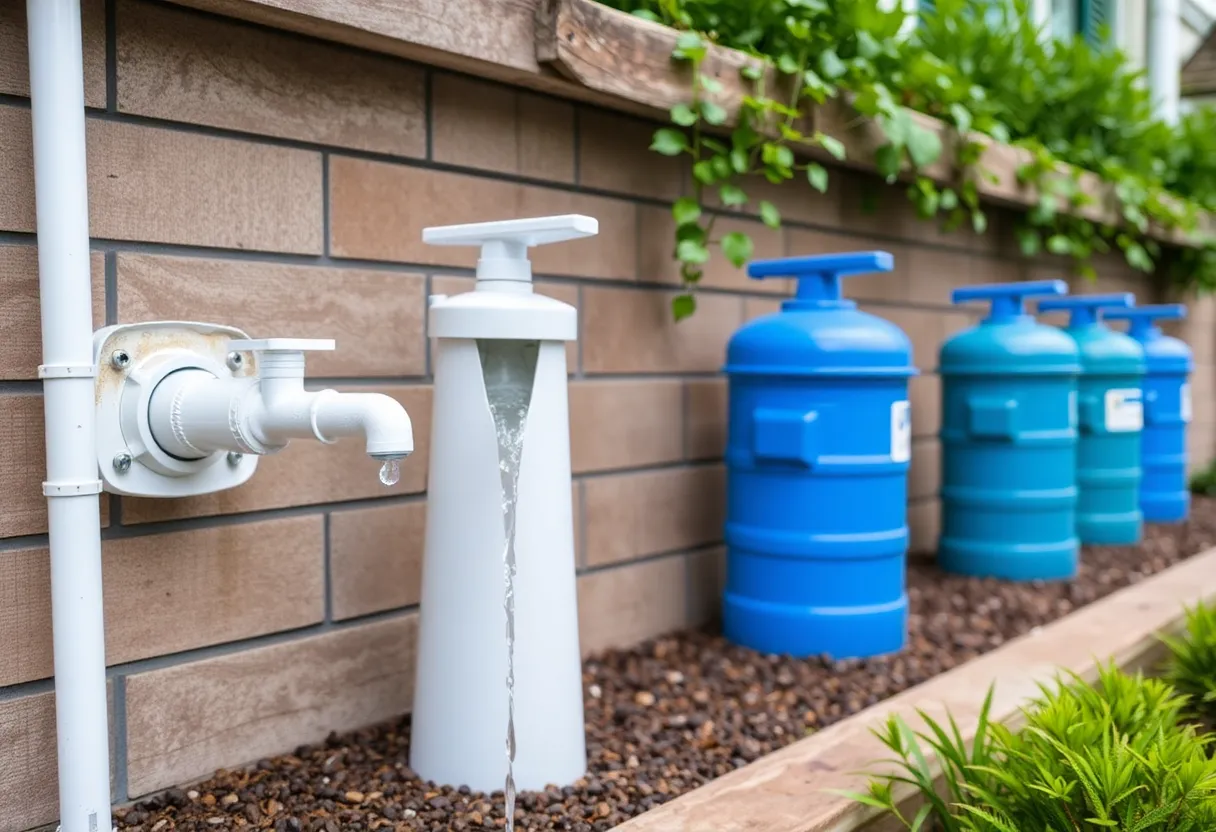
Implementing a rainwater harvesting system is an innovative way to reclaim and utilize water naturally provided by the environment. These systems capture rainwater from your roof and store it for non-potable uses such as irrigation, toilet flushing, and laundry. By utilizing rainwater, homeowners can decrease their reliance on municipal water, resulting in cost savings and environmental benefits.
5. Install Smart Irrigation Systems
A smart irrigation system can optimize your home’s outdoor water use. These systems utilize sensors and weather forecasts to determine when to water your garden and lawn, preventing overwatering and ensuring that plants receive the necessary hydration. Many modern systems allow you to control watering schedules via an app, promoting water conservation without sacrificing plant health.
Benefits of Smart Irrigation
- Reduces water waste by applying moisture only when needed.
- Can lead to significant reductions in water bills.
- Prominently uses technology for efficient water management.
6. Insulate Hot Water Pipes
Insulating your hot water pipes reduces heat loss as water travels from your heater to your faucets. By maintaining the temperature of water in transit, you use less water waiting for hot water to arrive at the tap. Insulation can lead to a reduction in energy use, which complements water efficiency by minimizing the need for excessive heating.
7. Use Water Leak Detectors
Water leaks can lead to excessive water loss, often unnoticed until the bill arrives. Installing water leak detectors can help identify leaks early. These devices alert homeowners to leaks in real-time, allowing for prompt repairs. Preventative maintenance saves water and avoids significant repair costs associated with serious water damage.
Types of Leak Detection Devices
- Smart Water Sensors: These can connect to your smart home system and provide alerts through your smartphone.
- Traditional Leak Detectors: These devices can be placed in various areas around the home and sound an alarm upon detecting moisture.
8. Install a Greywater Recycling System
Greywater recycling systems collect water from baths, sinks, and laundry for reuse in irrigation or toilet flushing. By recycling greywater, homeowners can drastically decrease their overall water consumption. While installation may be more complex and subject to local regulations, the long-term water savings and environmental benefits are substantial.
9. Adopt a Whole-House Water Filtration System
Investing in a whole-house water filtration system offers numerous benefits, including improving the quality of water throughout your home. High-quality filtration reduces contaminants, allowing you to drink water straight from your tap instead of relying on bottled water. This not only saves money but also reduces waste associated with plastic bottles.
10. Regular Maintenance and Upgrades
Last but not least, regular plumbing maintenance is crucial for water efficiency. Old pipes and fixtures can corrode, leading to leaks and increased water usage. Schedule regular inspections with a certified plumbing professional to check for leaks, mineral buildup, and pipe conditions. Taking care of small issues before they become large problems can save both water and money.
Key Maintenance Tasks
- Inspect faucets and fixtures for leaks.
- Clear mineral deposits from showerheads and faucets.
- Check hoses and connections for wear and tear.
Conclusion
As we strive for improved water efficiency in our homes, upgrading to modern plumbing solutions can make a significant impact both financially and environmentally. From low-flow fixtures to greywater recycling systems, the upgrades outlined above equip homeowners with the tools they need to conserve water effectively. By taking these simple yet impactful steps, you can contribute to a more sustainable future, reduce your water bills, and set a positive example for your community.
Frequently Asked Questions (FAQ)
1. What are low-flow fixtures, and how do they help with water efficiency?
Low-flow fixtures are plumbing components such as showerheads and faucets designed to use less water without compromising performance. They help with water efficiency by significantly reducing the flow rate, saving gallons of water per minute.
2. How much water can a dual-flush toilet save?
A dual-flush toilet can save a significant amount of water by offering two flushing options, using less water for liquid waste and more for solids. This can lead to substantial water savings over time.
3. Why should I invest in smart irrigation systems?
Smart irrigation systems optimize water use based on weather conditions, preventing overwatering and ensuring that plants receive adequate hydration. They can save water and lower utility bills efficiently.
4. What is greywater recycling, and how can it benefit my home?
Greywater recycling involves collecting water from baths, sinks, and laundry for reuse in irrigation or flushing toilets. It benefits homes by significantly reducing overall water consumption.
5. How does regular maintenance enhance water efficiency?
Regular maintenance prevents leaks and other plumbing issues that can lead to increased water usage. By inspecting pipes and fixtures regularly, homeowners can address small problems before they escalate, conserving both water and money.