

Plumbing Essentials: 10 Smart Upgrades to Enhance Your Home’s Water Efficiency in 2025
In 2025, homeowners are becoming increasingly conscious of their water usage and its impact on both the environment and their utility bills. With advancements in plumbing technology and a growing awareness about sustainability, enhancing your home’s water efficiency has never been more important. This article explores ten smart upgrades that can significantly improve your home’s water efficiency.
1. Low-Flow Faucets
Low-flow faucets are designed to reduce the amount of water that flows through them without sacrificing performance. By using aerators that mix air with water, these faucets can cut water usage by up to 30% compared to standard models. In 2025, these faucets will not only be widely available, but their designs will be more aesthetic and user-friendly, making them a smart addition to any home.
Benefits of Low-Flow Faucets
- Significant water conservation
- Reduced utility bills
- Easy to install and maintain
2. Dual-Flush Toilets
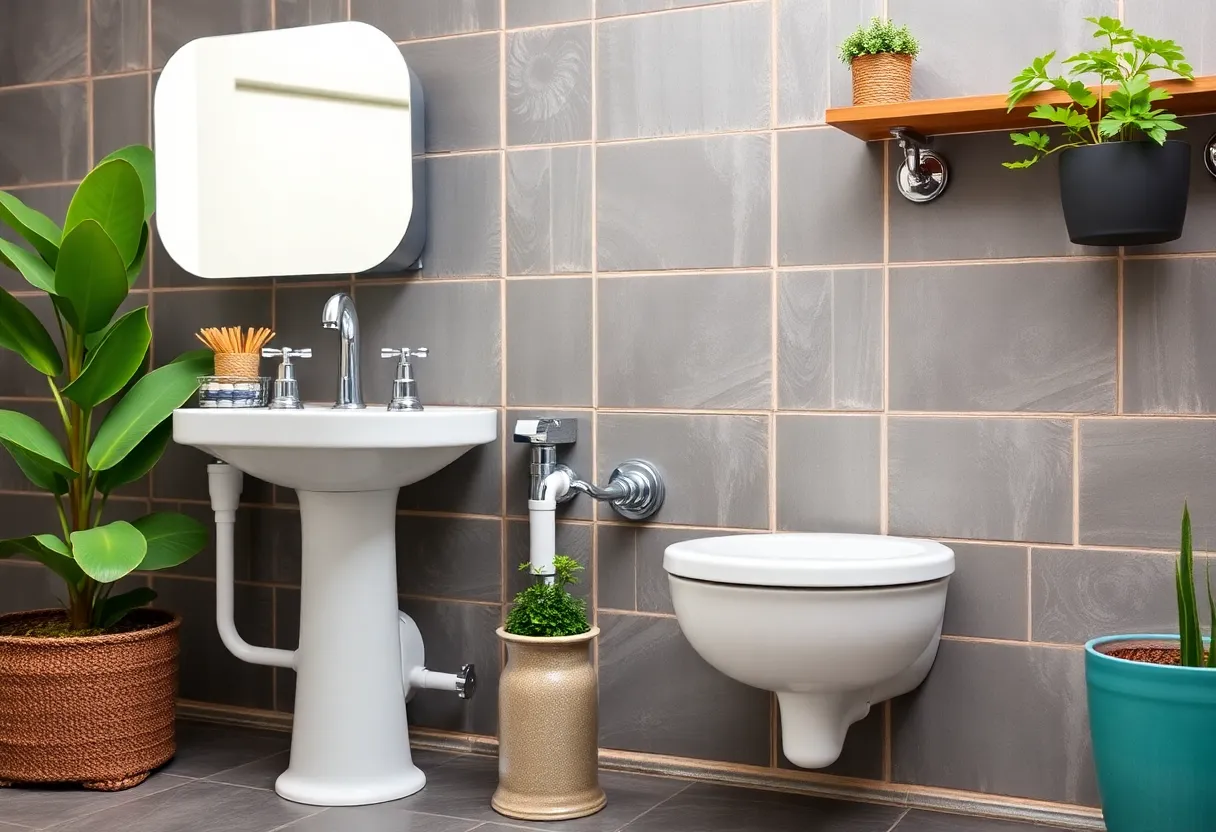
Another effective upgrade for enhancing water efficiency is the installation of dual-flush toilets. These toilets offer two different flushing options: one for liquid waste and another for solid waste. As a result, users can save a considerable amount of water, achieving reductions of about 50% in water use per flush compared to traditional toilets.
Why Choose Dual-Flush Toilets?
- Cost savings on water bills
- Environmentally friendly
- Available in various styles and designs
3. Smart Irrigation Systems
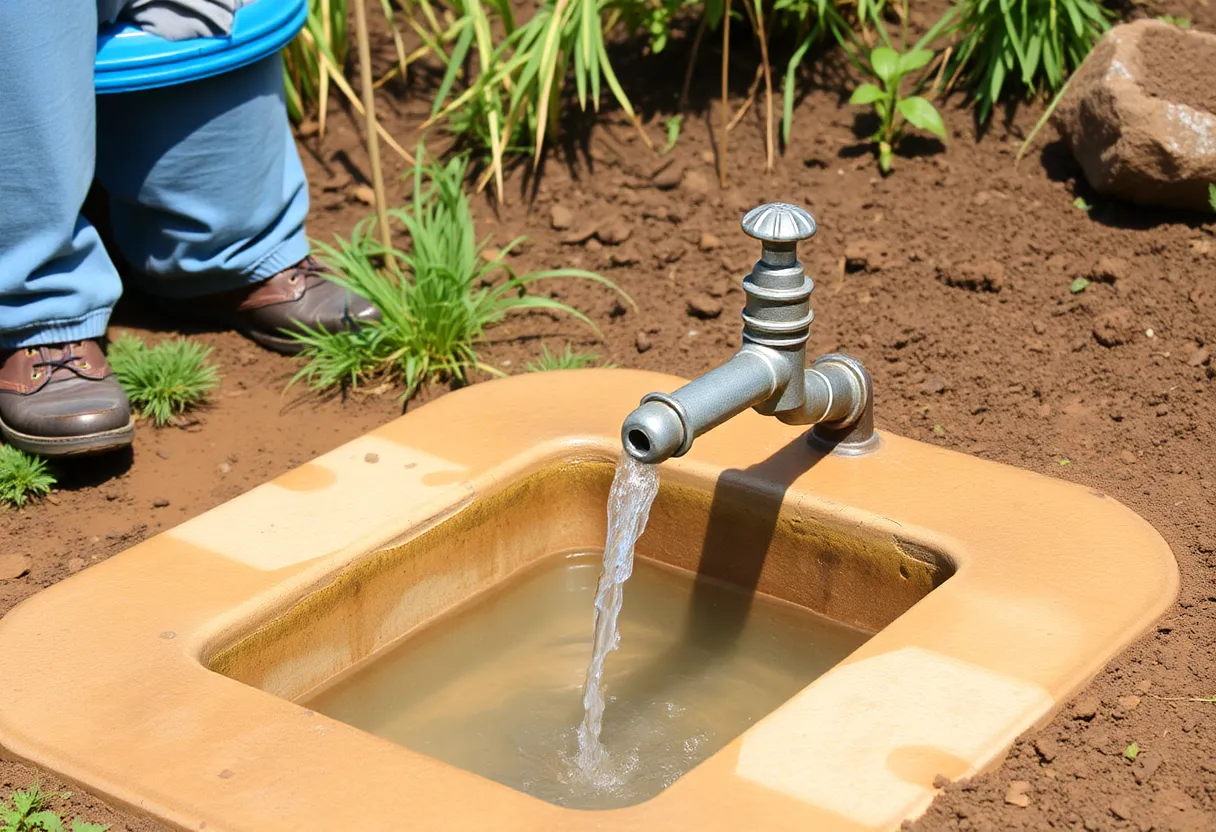
For homeowners with gardens or lawns, upgrading to a smart irrigation system is a game-changer. These systems use weather data and soil moisture sensors to optimize watering schedules, ensuring that water is only applied when and where it is needed. By adopting smart irrigation, homeowners can expect to save around 20-50% of water compared to conventional irrigation systems.
Key Features of Smart Irrigation Systems
- Automatic adjustments based on weather conditions
- Remote control through smartphone applications
- Customization based on plant types and soil conditions
4. Water-Efficient Showerheads
Showering accounts for a substantial portion of residential water usage. Upgrading to water-efficient showerheads can help reduce this without compromising on water pressure or enjoyment. Many modern showerheads are designed to use less than 2.0 gallons per minute, leading to significant water and energy savings.
Why Upgrade to Water-Efficient Showerheads?
- Enhanced shower experience with high pressure
- Lower energy costs due to reduced hot water consumption
- Sleek designs available to match any bathroom decor
5. Greywater Recycling Systems
Greywater recycling systems collect and treat wastewater from sinks, showers, and washing machines for reuse in non-potable applications, such as irrigation or toilet flushing. Installing a greywater system can reduce overall water usage in the home by up to 50% and can be a significant step towards sustainability.
Advantages of Greywater Systems
- Utilize existing water resources effectively
- Lower water bills
- Decrease environmental impact
6. Pressure Reducing Valves (PRVs)
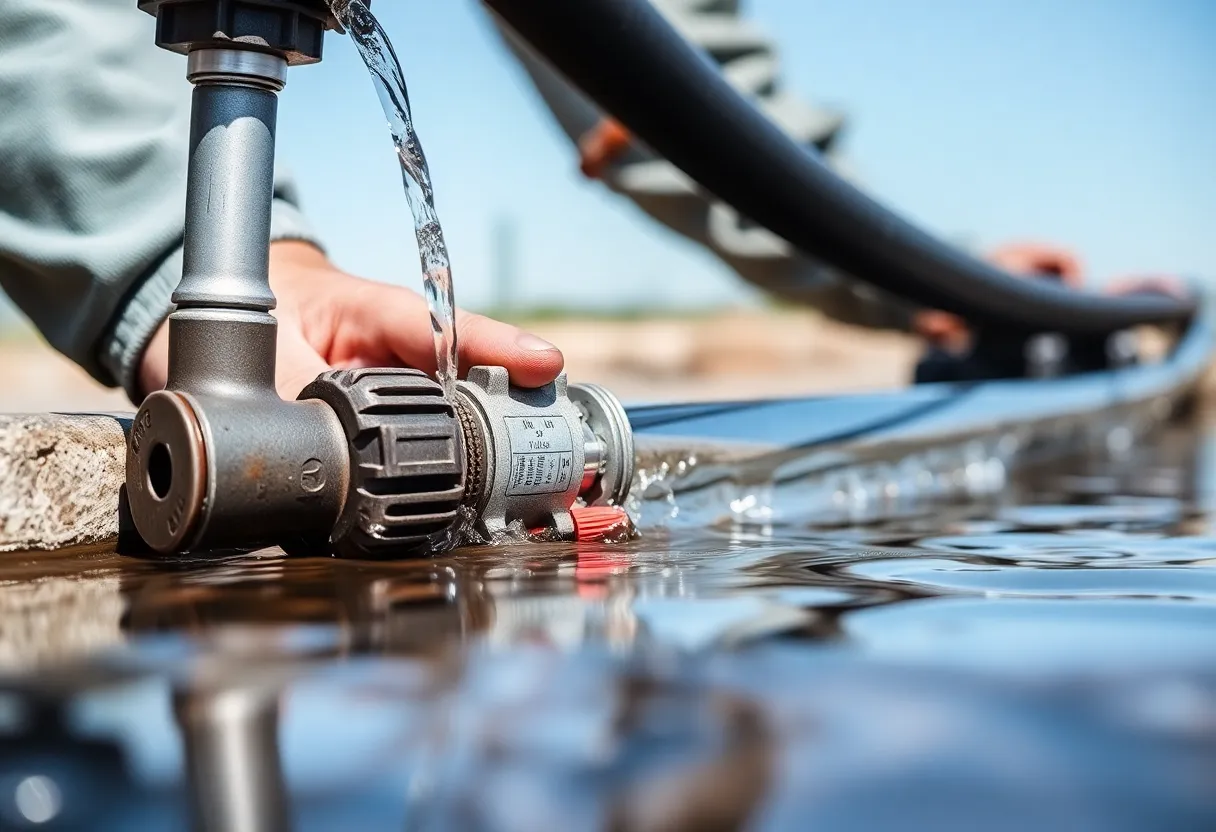
High water pressure can lead to a myriad of issues, including leaks, pipe damage, and water wastage. Installing a pressure reducing valve helps maintain optimal water pressure throughout your plumbing system, cutting down on excess water usage and protecting your home from potential damage.
How PRVs Enhance Efficiency
- Prevents leaks and water wastage due to high pressure
- Extends the lifespan of plumbing fixtures
- Improves overall system efficiency
7. Insulated Pipes
Insulating your hot water pipes can significantly reduce heat loss and improve energy efficiency. By preventing heat from escaping, insulated pipes help maintain water temperature, which in turn minimizes the amount of water wasted while waiting for hot water to reach the tap. Homeowners can save approximately 3-7% on energy bills by investing in pipe insulation.
Benefits of Insulating Pipes
- Reduced heat loss
- Increased energy efficiency
- Improved comfort by providing hot water faster
8. Water-Saving Dishwashers and Washing Machines
Modern dishwashers and washing machines are designed with water efficiency in mind, often using significantly less water than previous models. The latest appliances can save almost 50% water while still delivering excellent cleaning performance. Investing in these appliances is a wise decision for water-conscious homeowners.
Reasons to Switch to Water-Saving Appliances
- Significantly reduced water and energy consumption
- Advanced cleaning technology for better performance
- Eligibility for rebates in some areas
9. Faucet Timers
Faucet timers allow homeowners to set specific times for outdoor watering, preventing overwatering and ensuring efficient use of water resources. By programming these timers according to the weather and plant needs, homeowners can reduce water usage by as much as 30%.
Advantages of Faucet Timers
- Promotes efficient irrigation scheduling
- Minimizes the risk of overwatering
- Convenience with automated settings
10. Leak Detection Systems
Investing in a leak detection system is another smart upgrade that can prevent water damage and reduce wastage. These systems use sensors to monitor water flow and detect leaks in real-time. If a leak is detected, the system notifies the homeowner, allowing for prompt repairs and potentially saving thousands of gallons of water.
Benefits of Leak Detection Systems
- Immediate notification of leaks to prevent damage
- Conservation of water resources
- Increased peace of mind
Conclusion
As we move through 2025, water efficiency will continue to be a critical concern for homeowners. By incorporating these smart upgrades into your plumbing system, you can significantly reduce your water consumption while enhancing the efficiency and longevity of your plumbing fixtures. Not only will you decrease your utility bills, but you will also contribute to a more sustainable future for our planet.
FAQ
What is a low-flow faucet?
A low-flow faucet is designed to reduce the amount of water that flows through it without sacrificing performance, often using aerators. This can cut water usage by up to 30% compared to standard models.
How much water can dual-flush toilets save?
Dual-flush toilets can save about 50% in water use per flush compared to traditional toilets.
What is a greywater recycling system?
A greywater recycling system collects and treats wastewater from sinks, showers, and washing machines for reuse in non-potable applications, such as irrigation or toilet flushing, potentially reducing overall water usage by up to 50%.
What are the benefits of water-efficient appliances?
Modern water-efficient dishwashers and washing machines can save almost 50% water while still delivering excellent performance, leading to reduced water and energy consumption.