

The Silent Saboteur: 5 Hidden Plumbing Issues That Could Be Costing You Money
Plumbing issues often lurk beneath the surface, quietly wreaking havoc on our homes and finances. You may think you’re safe from plumbing woes if everything seems normal, but there could be unseen problems bubbling under the surface, leading to costly repairs and unexpected expenses. Understanding these hidden plumbing issues is paramount in protecting your home and budget. In this article, we’ll explore five common yet often overlooked plumbing problems that could be quietly draining your wallet.
1. Silent Leaks: The Invisible Water Waster
One of the most prevalent hidden plumbing issues is silent leaks. These sneaky water leaks may not reveal themselves until significant damage has occurred. Silent leaks can be found in your walls, ceilings, or underneath your flooring, making them particularly hard to detect. Here are some ways silent leaks could be costing you:
Increased Water Bills
With a silent leak, you may find your water bill has spiked, yet you can’t pin down the reason. _Even a small leak can lead to thousands of gallons of wasted water_ over time, significantly increasing your utility bills. Regularly check your water meter, and if you notice it running while no water is being used, that could signal a hidden leak.
Structural Damage
Over time, silent leaks can lead to serious structural damage within your home. _Water can weaken the integrity of walls, ceilings, and foundations_ if left unattended. Mold growth is another consequence of prolonged leaks, leading to health hazards. Addressing leaks promptly can save you from significant repair costs down the line.
How to Spot Silent Leaks
- Check for unexplained dampness or discoloration on walls and ceilings.
- Inspect your water meter regularly to track usage.
- Listen for dripping sounds when it’s quiet, especially near bathrooms and kitchens.
2. Clogged Drains: The Underestimated Obstacle
We all deal with clogged drains from time to time, but _the consequences of harboring persistent clogs can be far more severe than a mere inconvenience_. Clogs can lead to several problems if left unaddressed:
Backups and Overflows
A severe clog can cause wastewater to back up into your home. This not only leads to an unpleasant mess but can also result in significant cleaning and repair costs. Fixing a sewer backup can cost hundreds or even thousands of dollars, making it crucial to keep an eye on potential clogs.
Unpleasant Odors
Refuse buildup not only contributes to clogs but can also lead to foul odors. _A smelly kitchen or bathroom can seep into the rest of your home, creating an unpleasant living environment_. Eliminating these odors often requires extensive cleaning and may necessitate professional help.
Preventing Clogs
- Avoid pouring grease down the drain, as it solidifies and clogs pipes.
- Use a drain strainer to catch hair and food particles.
- Regularly flush drains with hot water or a mixture of vinegar and baking soda for maintenance.
3. Water Heater Problems: The Hidden Temperature Threat
Your water heater is a pivotal yet often overlooked component of your plumbing system. If your water heater is malfunctioning, they could be costing you more than just discomfort; it could be impacting your wallet as well.
Excess Energy Costs
If your water heater is not functioning efficiently, it may consume more energy than necessary. _An older or poorly maintained heater can lead to skyrocketing electricity bills_. Often, this silently eats into your budget without you even realizing it.
Potential Breakdowns
Neglecting water heater maintenance can lead to early failures, resulting in costly replacement fees. Rather than waiting for a breakdown, proactive service can prolong the life of your unit and ensure it works efficiently. Regular flushing can help remove sediment buildup, which is beneficial for maintaining performance.
Signs Your Water Heater Needs Attention
- You notice water discoloration or rust, indicating wear.
- Water temperature inconsistencies—too hot or too cold.
- Strange noises, such as popping or rumbling, which may suggest buildup inside.
4. Old Pipes: Time to Replace the Suspects
Older plumbing systems can be rife with problems, particularly if your home has lead or galvanized pipes. These materials can cause significant health and financial concerns.
Potential Health Risks
Lead pipes pose serious health risks, especially for young children and pregnant women. _Lead exposure can lead to developmental issues and serious health concerns_, and replacing these pipes is not just an investment in your home but your health.
Frequent Leaks and Breaks
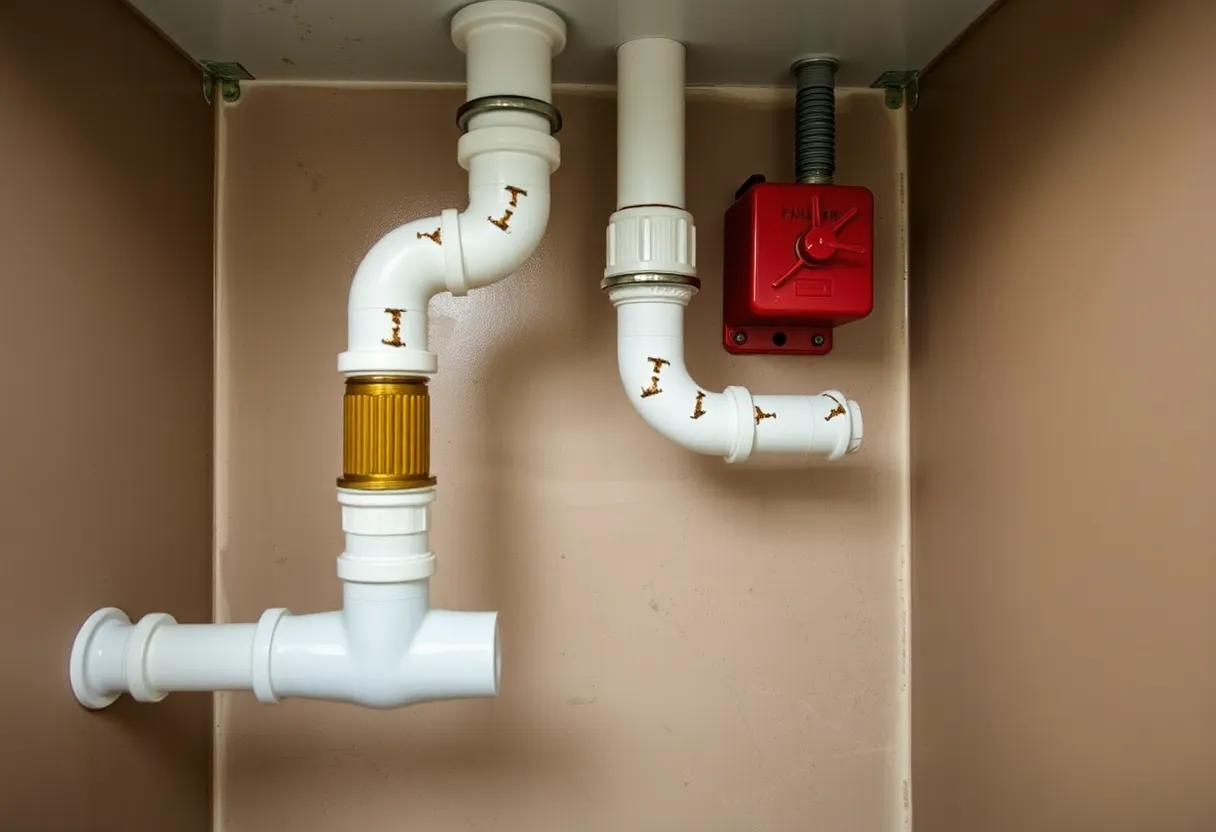
Older pipes are more prone to leaks and breaks due to corrosion and wear over time. As they age, the likelihood of requiring emergency repairs increases, leading to unexpected costs. Additionally, if you struggle with consistent clogs or leaks, it may be worth considering a full pipe replacement.
Signs That Your Pipes Are Aging
- Frequent leaks or repairs are becoming the norm.
- Discolored water or rust particles in your tap water.
- Unusual pipe noises, such as banging or gurgling.
5. Toilet Troubles: The Often Overlooked Expense
Toilets are robust fixtures, yet they remain susceptible to a variety of hidden issues that could be silently costing you money.
Phantom Flushes
If your toilet has a leak in the flapper valve, it may cause the tank to continuously refill. _This phenomenon known as phantom flushing can waste gallons of water each day, significantly increasing your water bill_.
Clogs and Overflows
Frequent toilet clogs can lead to overflow issues, resulting in not only significant repair costs but also potential water damage to your home. If this issue persists, it may warrant professional assessment and repair.
Maintenance Tips for Toilets
- Regularly check for leaks: Add food coloring to the tank; if it seeps into the bowl, you have a leak.
- Refrain from flushing non-degradable items down the toilet.
- Schedule routine maintenance checks to catch issues early.
Conclusion: Be Proactive to Protect Your Wallet
Don’t let hidden plumbing issues be your home’s silent saboteurs. _Being aware of these silent problems allows you to address them before they escalate_ into costly repairs that can drain your financial resources. Regular maintenance, inspections, and prompt action in addressing plumbing issues can save you from headaches and financial loss down the line. Remember, when it comes to plumbing, it’s always better to be proactive than reactive!
Your home is a sanctuary, and maintaining its plumbing system is crucial for safety, health, and comfort. Stay vigilant, and your wallet will thank you.